A decision on the future of Lyttelton Port has moved into a sharper public test, with campaigners planning a Friday rally outside Christchurch City Holdings Limited and port unions calling for the Te Awaparahi Bay wharf decision to be paused.
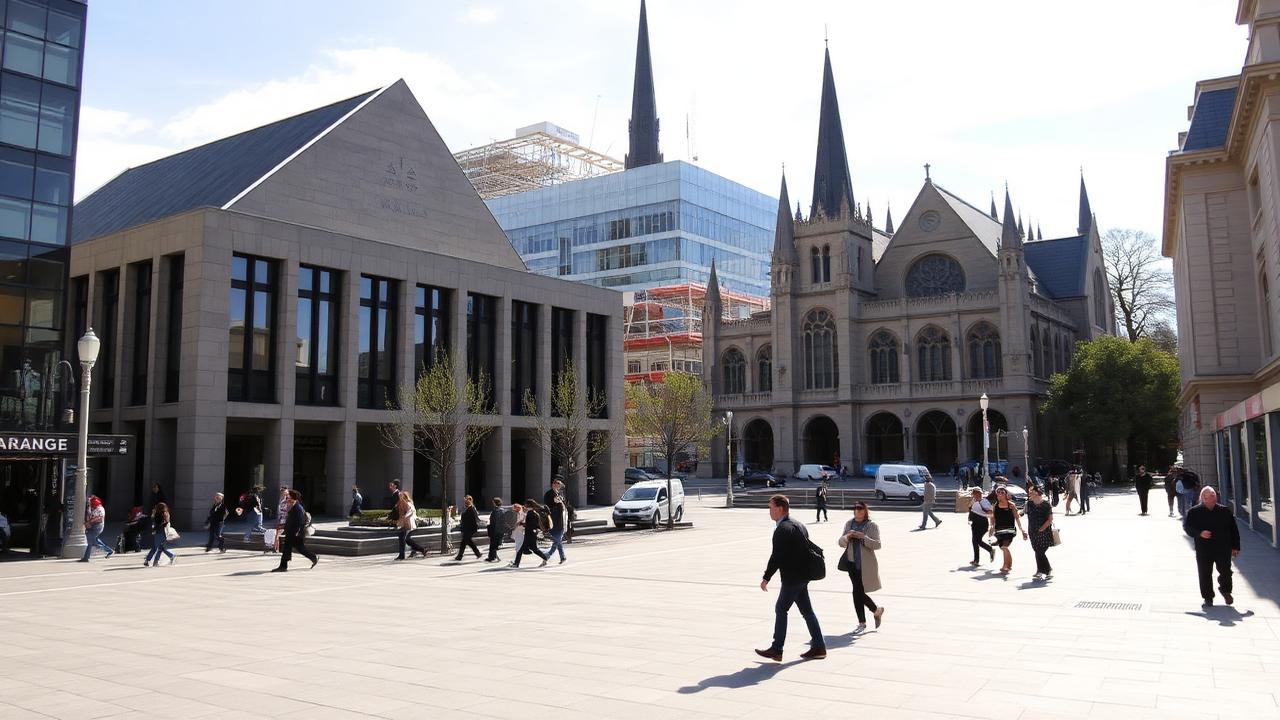
Chris Lynch Media reported on Wednesday evening that the Keep Our Port Public campaign plans to gather outside CCHL's Cambridge Terrace offices from 8am to 10am on Friday. The same outlet reported earlier on Wednesday that the Maritime Union of New Zealand and the Rail and Maritime Transport Union want CCHL to stop short of approving the proposed wharf expansion while a wider operating proposal involving Tonui and DP World remains in play.
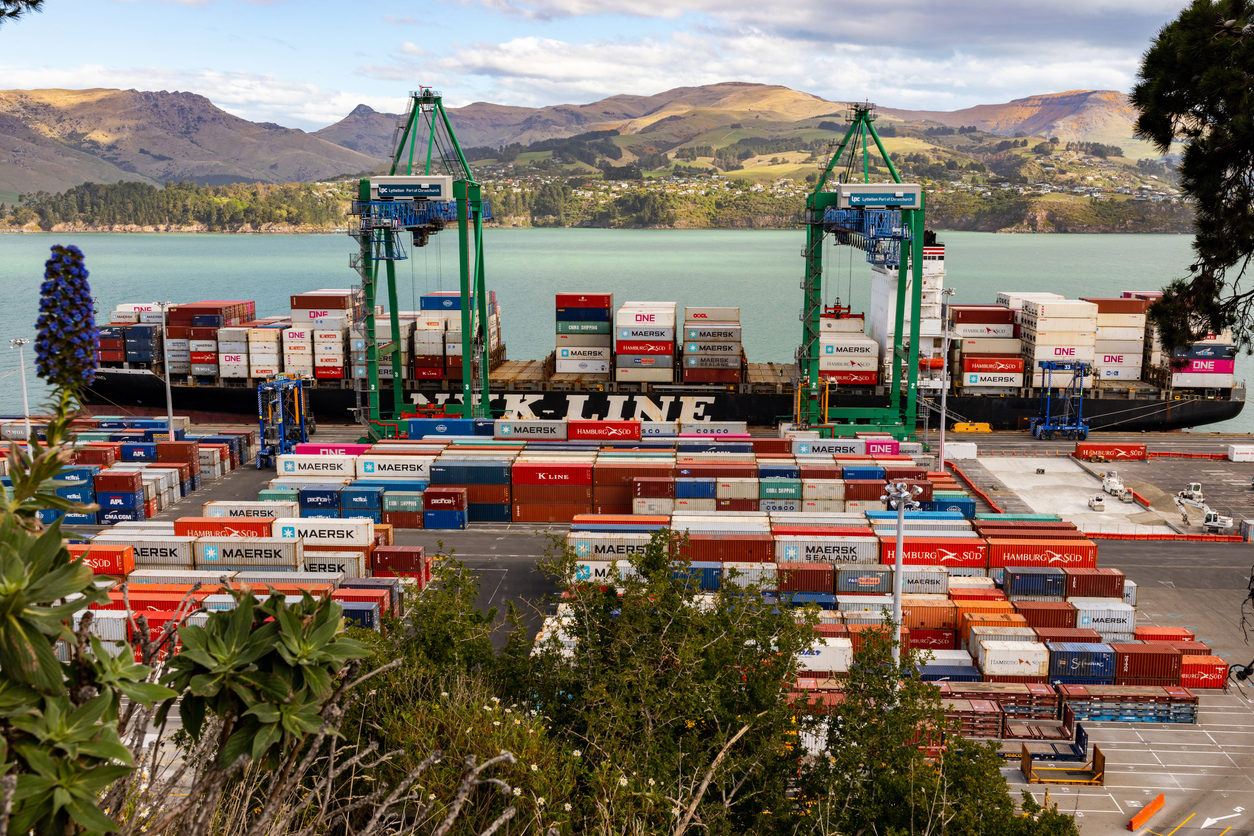
The issue is complicated because it is not only a question of whether Lyttelton needs port investment. Lyttelton Port Company has long treated Te Awaparahi Bay as a major development area, and the port describes the expansion as important infrastructure for Canterbury and the wider South Island. The harder question is how that investment should be funded, who should operate key parts of the port, and how much democratic oversight Christchurch residents should expect when strategic assets are involved.
Tonui has been presented publicly as a consortium involving three Ngai Tahu runanga and DP World, the Dubai-owned ports and logistics company. Reporting on the proposal says the port land and strategic assets would remain in public ownership while a jointly owned operating company would run port operations under a long-term arrangement. Supporters have framed that as a way to bring in capital and expertise without asking ratepayers or the public ownership structure to carry the entire expansion burden.
Opponents see a different risk. Campaigners and unions are concerned that a long-term operating arrangement could shift meaningful control away from the local public, even if ownership of land and assets formally remains with CCHL. They are also pointing to transparency, public mandate and demand forecasts as issues that need more scrutiny before decisions are made. For many Christchurch residents, the words used in the final structure may matter less than the practical effect: who controls operations, who benefits from future returns, and who carries the downside if assumptions prove wrong.
The timing makes the debate more than an abstract asset-management argument. Lyttelton is the South Island's major freight gateway, and decisions about berths, terminal capacity, operating rights and funding models affect exporters, importers, port workers, freight companies, cruise activity, local roads and the harbour community. If the region underinvests, capacity and resilience can suffer. If the region signs away too much operational influence, future councils and residents may have fewer options.
There is also a worker and community dimension. Port decisions are felt by people whose jobs, homes and daily traffic sit around Lyttelton Harbour, not only by directors and advisers. Unions are asking for caution because port demand forecasts, employment settings, industrial relations, automation and operating control can all change the lived effect of a project. Campaigners are asking for public ownership to mean public accountability, not only a line in a legal document.
CCHL now faces a decision that will be judged on process as much as outcome. If it backs an expansion or operating arrangement, residents will expect clear reasons, transparent assumptions and plain-language protections. If it delays or rejects parts of the proposal, it will still need to explain how the port's investment needs will be met. The Friday rally shows the decision has moved beyond boardroom finance. It is now a Christchurch public-interest story about strategic infrastructure, local control and the future of a working harbour.