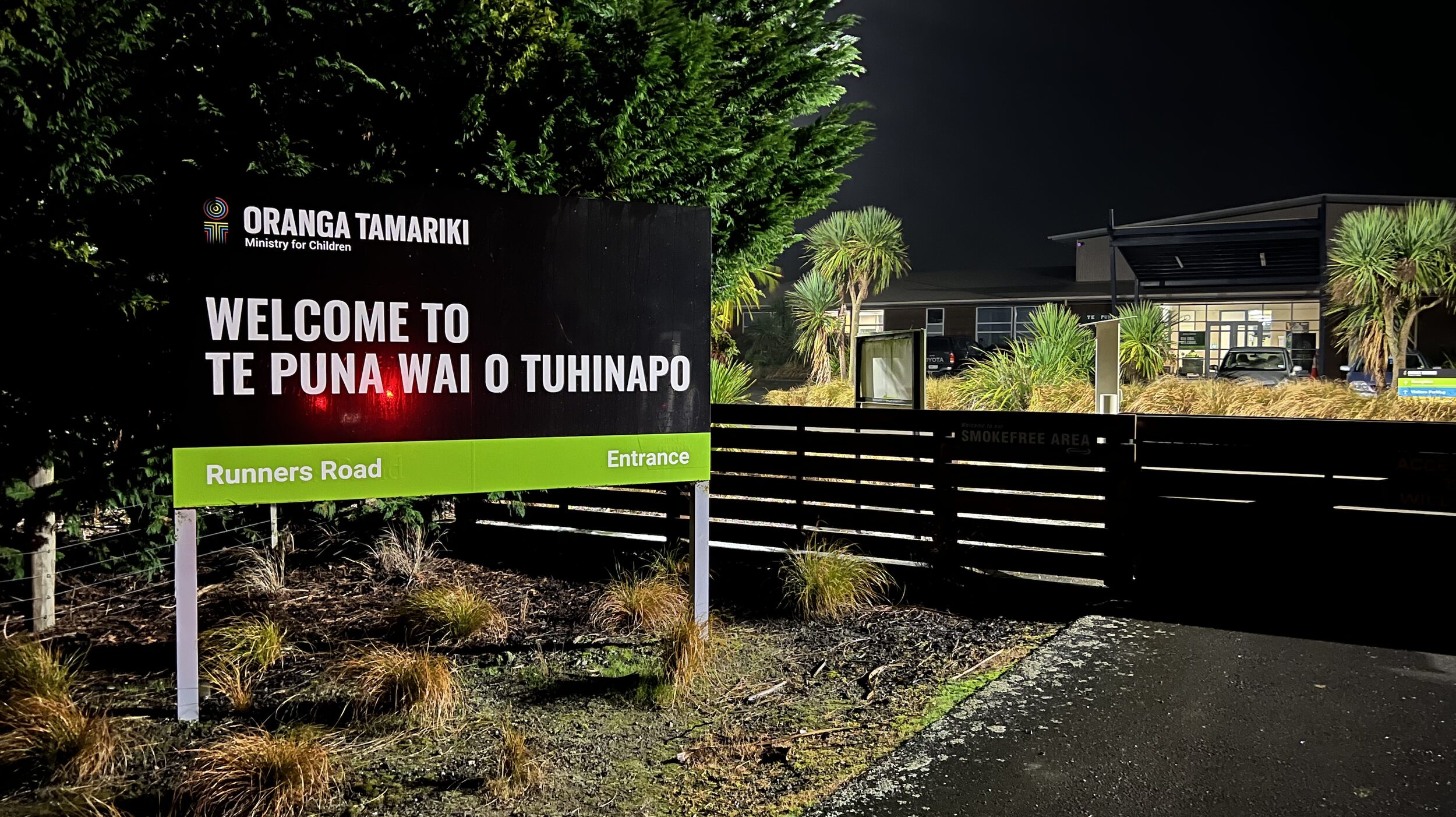
Safety concerns at Te Puna Wai o Tuhinapo in Rolleston have become a Christchurch and Canterbury public-interest issue after local reporting detailed alleged staff assaults, worries about staffing levels and a formal Oranga Tamariki response.
Chris Lynch Media reported on Saturday that a former worker at the youth justice residence alleged a staff member had been stabbed in the face by a young person at the facility. The same report said Oranga Tamariki deputy chief executive youth justice services and residential care Dean Winter confirmed two assaults had taken place, while declining to provide detailed injury information because the matters were before the court.
The facility sits outside Christchurch city, but the issue belongs to the wider metro region. Te Puna Wai is part of the system that holds some young people involved in serious offending, including those who may later appear in Christchurch courts or return to communities across Canterbury. When staff safety is questioned inside that setting, the concern is not only workplace health and safety. It is also whether the residence can manage risk in a way that protects staff, young people, victims and the public.
The former worker's allegations, as reported, covered several areas: assaults on staff, morale, staffing numbers, room security, rewards, contraband and the way incidents are described internally. Some of those claims have not been independently tested, and the correct standard is caution. Allegations from an unnamed former staff member should not be treated as findings. But the agency response confirms there have been two alleged assaults, and that is enough to justify close public attention.
Winter said safety and security remained a priority at Te Puna Wai, that staff were trained for dynamic youth justice environments and that affected workers could access support including counselling and ACC support where appropriate. Minister for Children Karen Chhour also pointed to government investment in residential safety, universal searches on entry to residences and workforce professionalisation.
Those responses matter, but they do not end the question. Youth justice residences depend on staff making quick decisions in unpredictable settings. If staff believe assaults are becoming normal, if sick leave or morale are under pressure, or if staffing ratios leave workers feeling exposed, the residence risks losing experienced people. That can make difficult environments harder to stabilise.
For the public, the simplest reaction is often to focus only on punishment. Youth justice residences have to do more than hold young people behind doors. They must manage violence, trauma, education, health needs, family contact, rehabilitation and court processes. A secure facility that is unsafe for staff cannot do that well. A facility that is too punitive, poorly staffed or poorly supervised can also make young people's behaviour worse.
The immediate next step is transparency. Oranga Tamariki has already referred some questions to the Official Information Act process, but local residents, staff families and elected representatives will want clear answers about incident frequency, staff support, staffing models and what has changed since the reported assaults. Those answers should be specific enough to build confidence without breaching youth privacy or court rules.
Rolleston is one of greater Christchurch's fastest-growing communities. Having a youth justice residence there means local safety questions will not stay hidden inside national bureaucracy. The safe conclusion today is that serious concerns have been raised, two alleged assaults have been confirmed by the agency, and the public now needs a careful account of what is being done to keep both staff and young people safe.