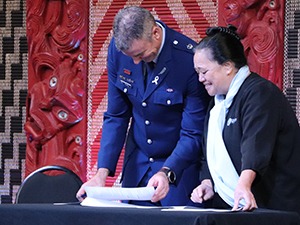
Canterbury Police and Te Runanga o Nga Maata Waka Maori Wardens have formalised a Christchurch partnership intended to improve community safety, strengthen de-escalation at events and rebuild a visible working relationship between frontline police and wardens.
The primary source is New Zealand Police's Ten One Magazine, which published the article Mana and connection on 28 July. Chris Lynch Media carried the local update on Tuesday. The agreement is a local Service Level Agreement between Canterbury Police and the wardens, sitting under the national Memorandum of Understanding signed between New Zealand Police and Maori Wardens last October.
The agreement was signed after a powhiri at Nga Hau E Wha National Marae in Christchurch on 26 May 2026. Canterbury District Commander Tony Hill signed on behalf of police. The source material says the partnership recognises the role wardens play in supporting communities, helping de-escalate situations and providing a trusted, visible presence.
Senior Sergeant Hamish Keer-Keer is identified by the Police article as having helped shape the Canterbury agreement. He said wardens could bring calm and connection to situations that might otherwise escalate. The article also records Canterbury Police saying the partnership had faded over time and that rebuilding it had reinforced the value of police and wardens working together across Canterbury communities.
The practical detail is important. This is not simply a ceremonial statement. The Police source says Maori Wardens took part in joint training with police late last year, covering legislation, security awareness, tactical communication, crowded places, traffic management and related operational work. That gives wardens and police a shared understanding before they are deployed around crowded public settings.
The partnership has already been tested at major Christchurch events. The Police source names Trademark Live, Electric Avenue and the opening event at the new Te Kaha One New Zealand stadium. Chris Lynch Media also reported the wardens' involvement around Te Kaha opening events. In one case described by police, wardens helped defuse tension between guests and security staff, allowing the person responsible to be identified and removed while the innocent party remained at the event.
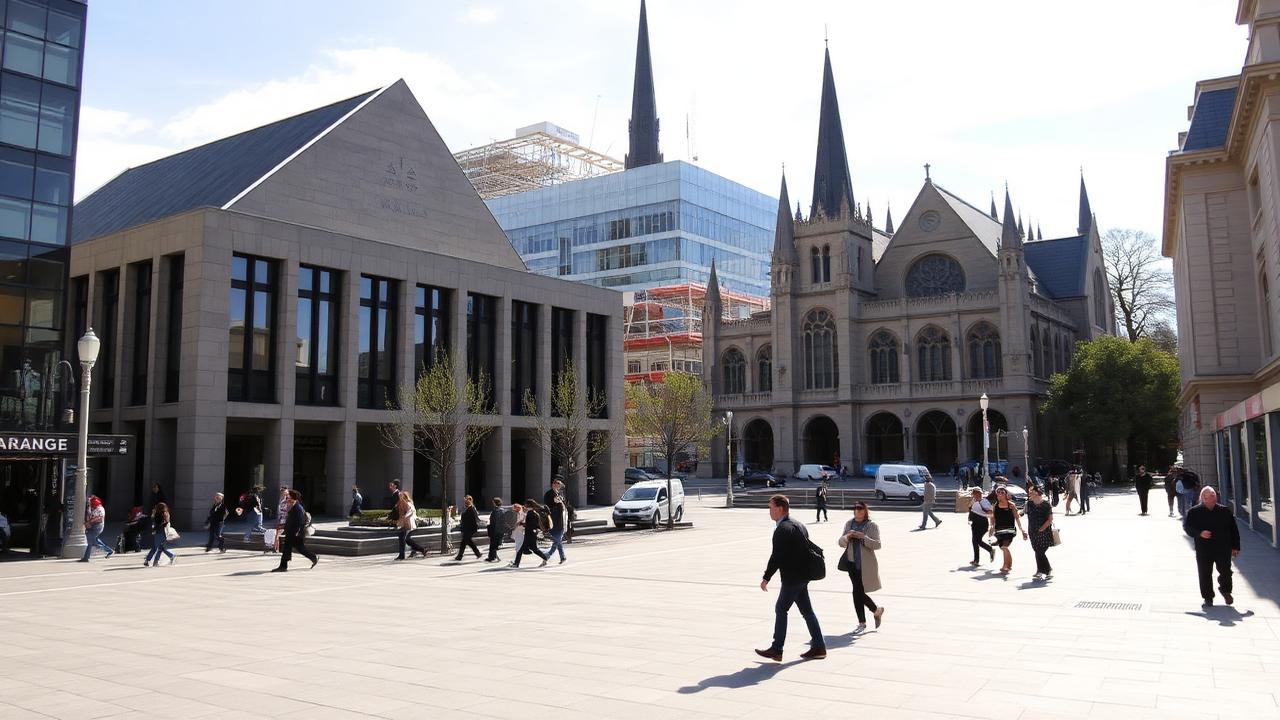
For Christchurch, that event context matters. The city is now moving into a period where Te Kaha, large music events, sport fixtures and city festivals bring bigger crowds into central venues. Police cannot be everywhere at once, and not every tense moment is best handled first through enforcement. A visible warden presence can help with communication, trust and early intervention where it is safe to do so.
The agreement should still be judged by outcomes rather than language. The source material says the formal document gives the partnership a framework, but the work on the ground will determine whether it improves safety for families, event-goers, security staff and communities. It will also require clear boundaries so wardens are supported, briefed and not placed in situations that should be handled directly by police.
The strongest public-interest point is that Canterbury is trying to formalise a relationship that had practical value but had weakened. If the new agreement leads to better briefings, safer events and calmer responses to low-level conflict, Christchurch residents may see the effect without ever reading the paperwork. That is the kind of community-safety work that succeeds when it is visible enough to help, but routine enough not to feel unusual.