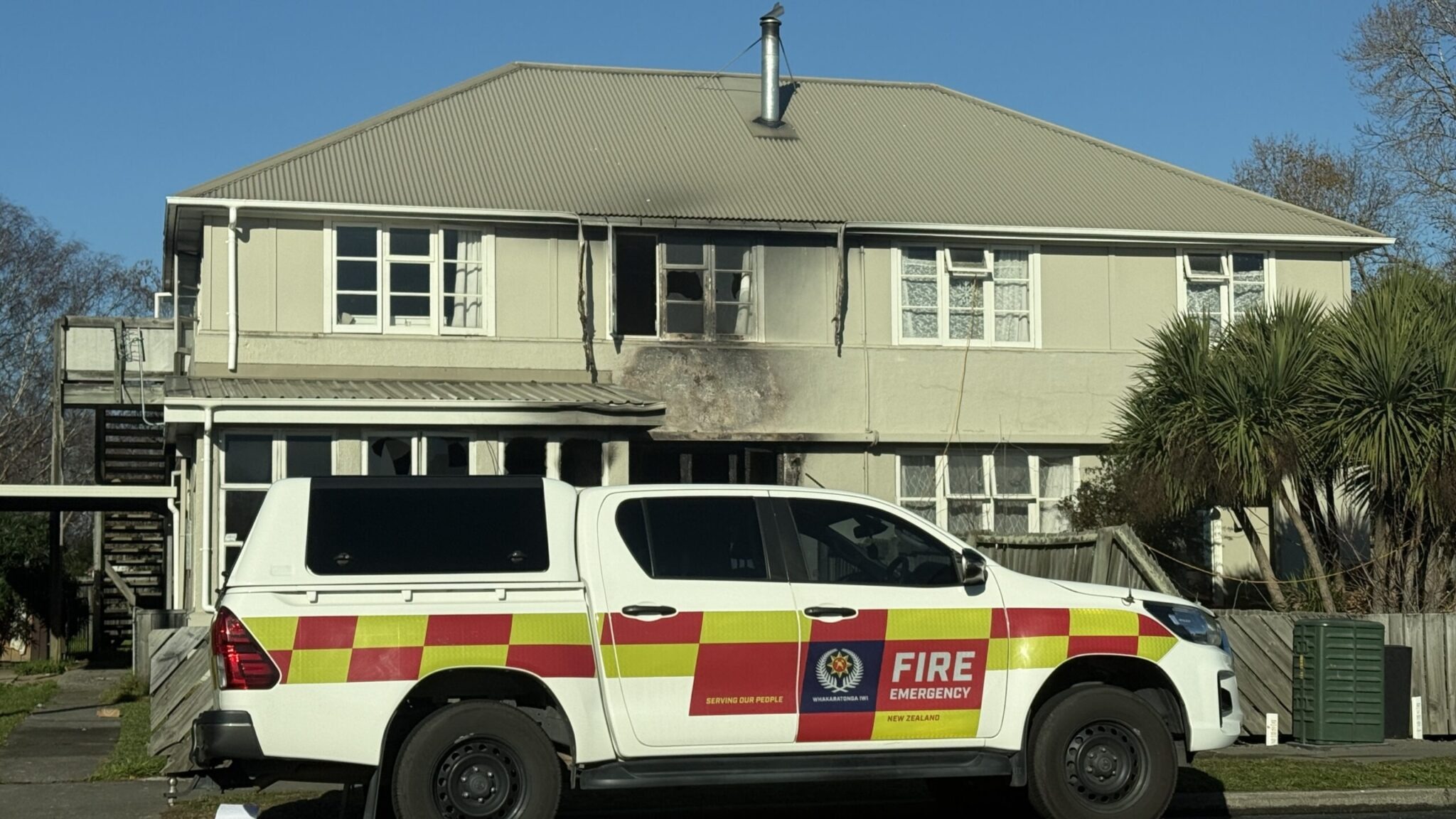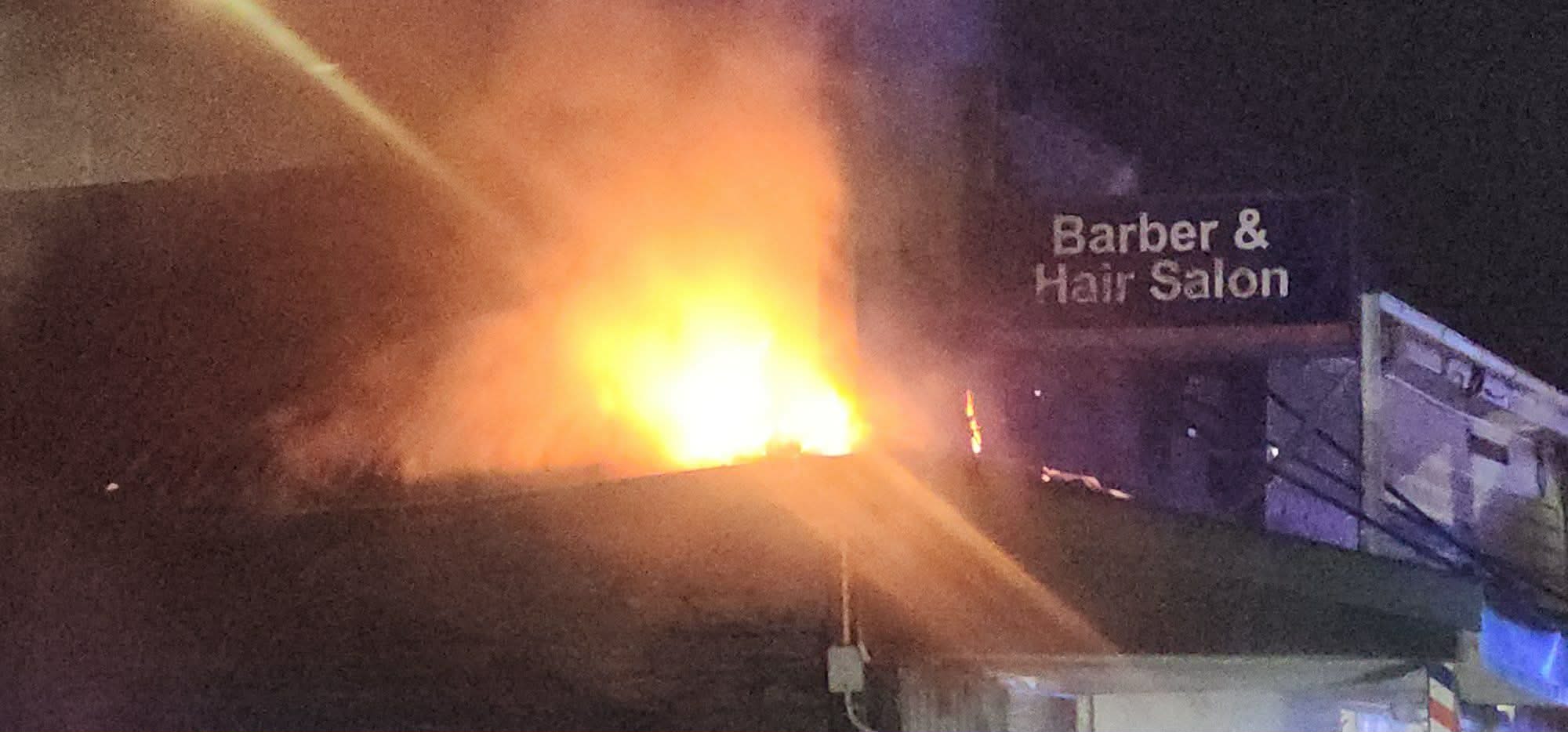
Multiple fire crews were working at a block of Linwood shops on Friday night after a fire was reported near the intersection of Olliviers Road and Cashel Street.
Chris Lynch Media reported that Fire and Emergency New Zealand crews were called shortly before 8pm on Friday 31 July. The report, citing a Fire and Emergency shift manager, said two appliances from Christchurch City Station were sent first before two more appliances from Spreydon and Woolston were added to the response.
The early information was that multiple properties within the complex were involved. Police were assisting with traffic management and Orion contractors had also been called. That combination points to the practical difficulty of a suburban commercial fire: firefighters need space to work, road users need to be kept away from hose lines and smoke, and power crews may need to isolate or secure nearby supply before the scene can be made safe.
The most important point for residents is that the cause was not confirmed in the first reports. Chris Lynch Media said a witness believed the fire may have started in a commercial kitchen, but that remains an unverified observation rather than an official finding. Fire investigators normally need time to examine the scene, speak to crews and witnesses, and separate the starting point from the path the fire later took through a building.
Linwood's local shopping strips include small businesses that often operate close to residential streets. A fire in that setting can affect more than one tenant even if flames start in a single unit. Smoke, water, power isolation and cordons can interrupt neighbouring shops, landlords, staff, delivery drivers and customers. For small operators, even a short closure can mean lost stock, cancelled bookings or a cleanup bill that arrives before insurance questions are settled.
The location also matters for traffic. Olliviers Road and Cashel Street connect through a busy part of east Christchurch, and emergency vehicles working around a commercial block can quickly narrow lanes or close approaches. Police traffic support is intended to keep the response area clear, not just to manage inconvenience. Anyone passing through a fire ground risks delaying appliances or being exposed to smoke and falling debris.
For nearby residents, the safest response is simple: avoid the immediate area, follow cordons and keep windows closed if smoke is drifting toward homes. People with respiratory conditions should be especially cautious around lingering smoke, even after visible flames are reduced. Businesses close to the scene should wait for official clearance before re-entering premises, because electrical hazards and contaminated runoff can remain after a fire appears under control.
The incident is also a reminder that evening commercial fires can develop quickly. Many shops have kitchens, storage areas, packaging, cleaning products or electrical equipment that can accelerate a fire if it is not contained early. Modern alarms, clear exits, maintained extinguishers and staff training are not paperwork exercises; they can limit damage before crews arrive.
No official injury information had been reported in the initial coverage. Until Fire and Emergency releases further details, the story remains an active emergency response rather than a completed investigation. The confirmed facts are that several appliances responded, multiple parts of the shop complex were affected, police assisted with traffic and power contractors were called. The next public update should clarify the extent of damage and whether investigators can identify a confirmed cause.