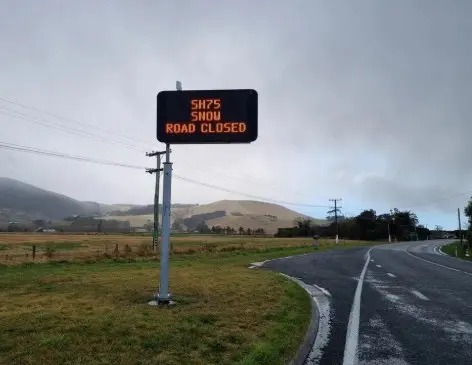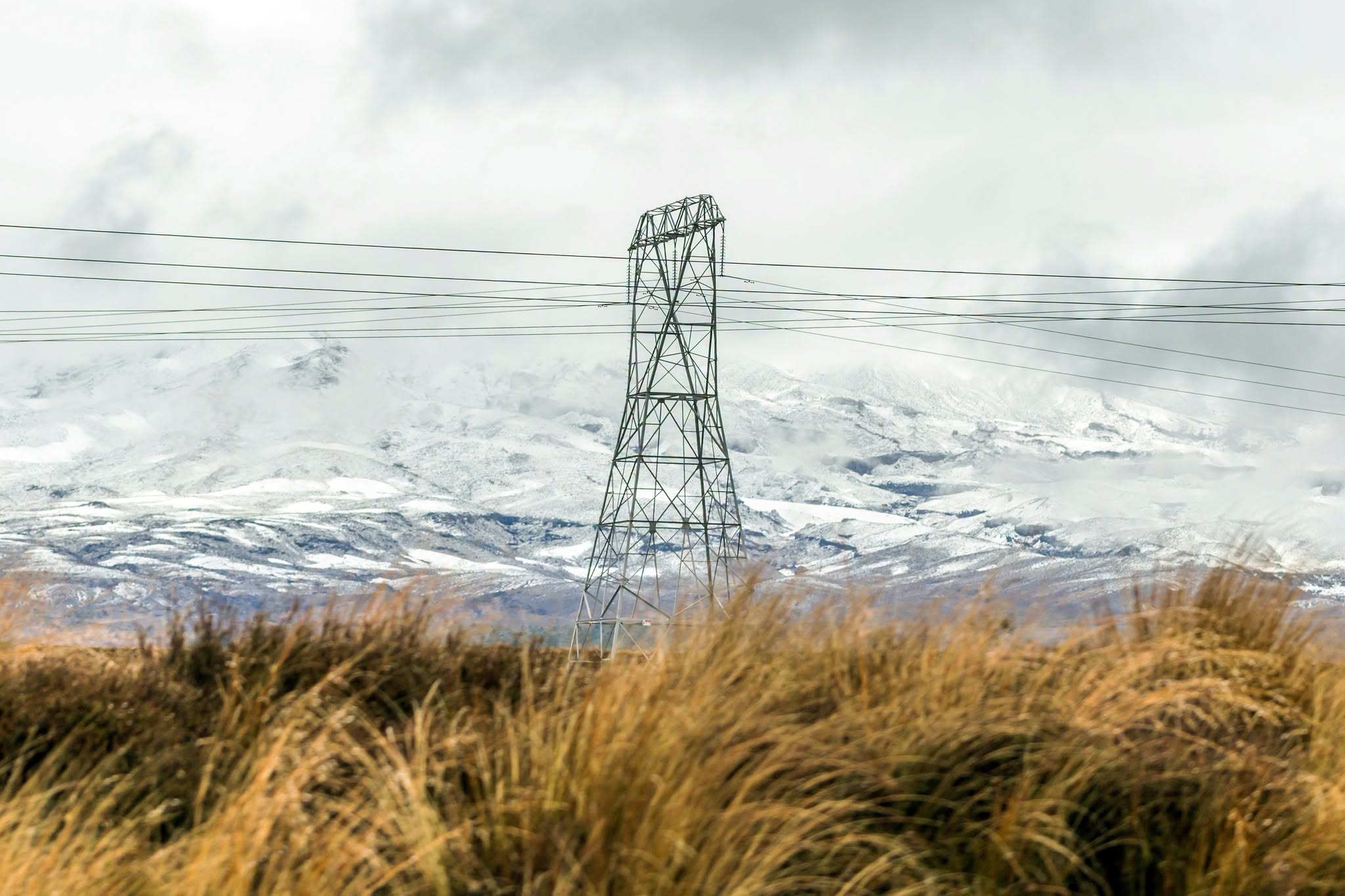
New Zealand's electricity demand reached a new national record on Wednesday as the polar blast pushed households to rely heavily on heating, with Christchurch among the centres feeling the cold through sleet, snow showers and overnight frost.
Transpower, the national grid operator, said demand peaked at 7,247 megawatts on Wednesday morning. That surpassed the previous peak of 7,141 megawatts, which had been set only two weeks earlier during another cold snap. The fact that the record has been broken twice in quick succession is the key point for Canterbury readers: winter peaks are not abstract market data when heaters, hot water, schools, offices, shops and essential services are all pulling on the grid at once.
The source reporting said Transpower had issued several Customer Advice Notices to the industry as demand climbed. These notices are a normal operating tool, giving generators and other participants warning about expected demand levels so they can prepare. Transpower said the notices had supported coordination through the winter peaks and that households did not need to take special action at the time of the report.
Christchurch's weather explains why people were reaching for heating. MetService's Christchurch forecast for 5 August referred to cloudy periods with sleet or snow showers, becoming confined to Banks Peninsula in the morning before clearing to fine in the afternoon, with frost at night. That is exactly the pattern that increases residential electricity use: cold mornings, short winter daylight, damp conditions, and a sharp overnight freeze.
The local risk is not simply whether the national grid can meet one record peak. The practical issue for households is cost. A run of unusually cold mornings can lift power bills quickly, especially for families using older heaters, poorly insulated rooms or multiple devices at once. Renters and lower-income households often have fewer options to improve insulation or heating efficiency, so the same weather event can have very different financial effects across the city.
For businesses, the cold snap also has operational consequences. Cafes, shops, offices, gyms, schools, clinics and aged-care facilities all need safe indoor temperatures. Some can pass costs through. Many cannot. When a national demand record lands in the same week as softer labour-market data and ongoing concern about consumer spending, the winter energy bill becomes another pressure point for small operators.
There is also an infrastructure lesson. Christchurch and Canterbury are used to planning for heat, wind, flooding, snow on passes and earthquake resilience, but power demand is part of the same resilience picture. A city can have roads open and shops trading, yet still face stress if electricity supply, distribution networks or household budgets are squeezed during peak weather. Transpower's message that no household action was required is reassuring for the immediate event, but it does not remove the need to think about insulation, efficient heating and support for vulnerable residents.
The short-term forecast suggested conditions would ease during the day while frost remained the overnight concern. That makes the public advice simple but important: keep watching official forecasts, take care on icy paths and roads, and use heating safely. For Christchurch, Wednesday's power record was a national statistic with a local feel. It reflected thousands of ordinary decisions to turn heaters up as winter pressed hard against homes, workplaces and community facilities.