Crusaders and Canterbury hooker George Bell has been ruled out of the All Blacks' tour of South Africa after suffering a calf strain in Cape Town, cutting short what had been another important step in his national pathway.
The Otago Daily Times reported on Tuesday that Bell would return home and that Bradley Slater had been called in as his replacement. Bell had been named as the fourth hooker in a 44-player squad late last month. The injury happened during training in Cape Town, before the tour had properly opened on the field. For a 24-year-old front-rower, the timing is frustrating because squad exposure in South Africa carries a different weight from staying involved at home.
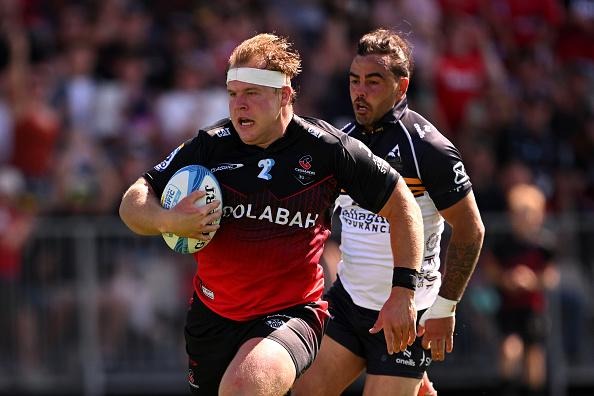
Bell's local significance is clear. He is linked to both the Crusaders and Canterbury systems, and his rise has been followed by supporters who watch the region's front-row pipeline closely. The Crusaders' own player material notes his progression through the academy environment, his Super Rugby debut against the Western Force in 2022, his New Zealand under-20s involvement, and his later move into the All Blacks frame. That pathway matters in Christchurch because the region's rugby identity is built not only on marquee names, but on the steady movement of local and provincial players into national contention.
The immediate sporting effect is depth management. A fourth hooker in a large touring squad may not be the first name casual fans discuss, but the role is important on a long trip. Hookers carry heavy set-piece responsibility, absorb contact in training, cover contingency planning and help maintain competition within the group. Losing a player before the first major block of tour rugby forces coaches to adjust workload and creates an opportunity for the replacement to settle quickly.
For Bell, the key now is recovery rather than narrative. Calf strains can vary widely in severity, and the public source material does not give a detailed medical timeline. A safe reading is that the injury was serious enough to end his tour, but not enough public detail exists to state when he will return to match play. That distinction matters because rugby injuries often attract speculation. The confirmed facts are the injury, the location, the return home and the replacement.
Canterbury supporters will also see the injury in the context of a demanding rugby calendar. Super Rugby, NPC commitments, All Blacks camps and overseas tours can compress recovery windows for players moving between levels. For front-rowers, the physical demands of scrummaging, contact, running loads and repeated training collisions make soft-tissue management especially important. Bell's situation is a reminder that selection is only one part of making the next step; staying fit through the next training week is another.
There is still a positive long-term reading. Being named in a 44-player All Blacks squad shows Bell remains in national planning. An injury withdrawal does not erase that. What it does is delay the chance to turn tour selection into more time around the coaches, more reps in the environment and possibly match involvement. If his recovery is straightforward, the next opportunity may come through domestic rugby and future national windows.
For Christchurch and Canterbury rugby, the headline is both disappointing and familiar. Local players pushing into the All Blacks are often one training session away from a breakthrough or a setback. Bell's calf strain puts this South Africa tour out of reach, but his age, regional pathway and recent selection suggest the story is not closed. The next measure will be how quickly he can return home, recover properly and put himself back into contention.