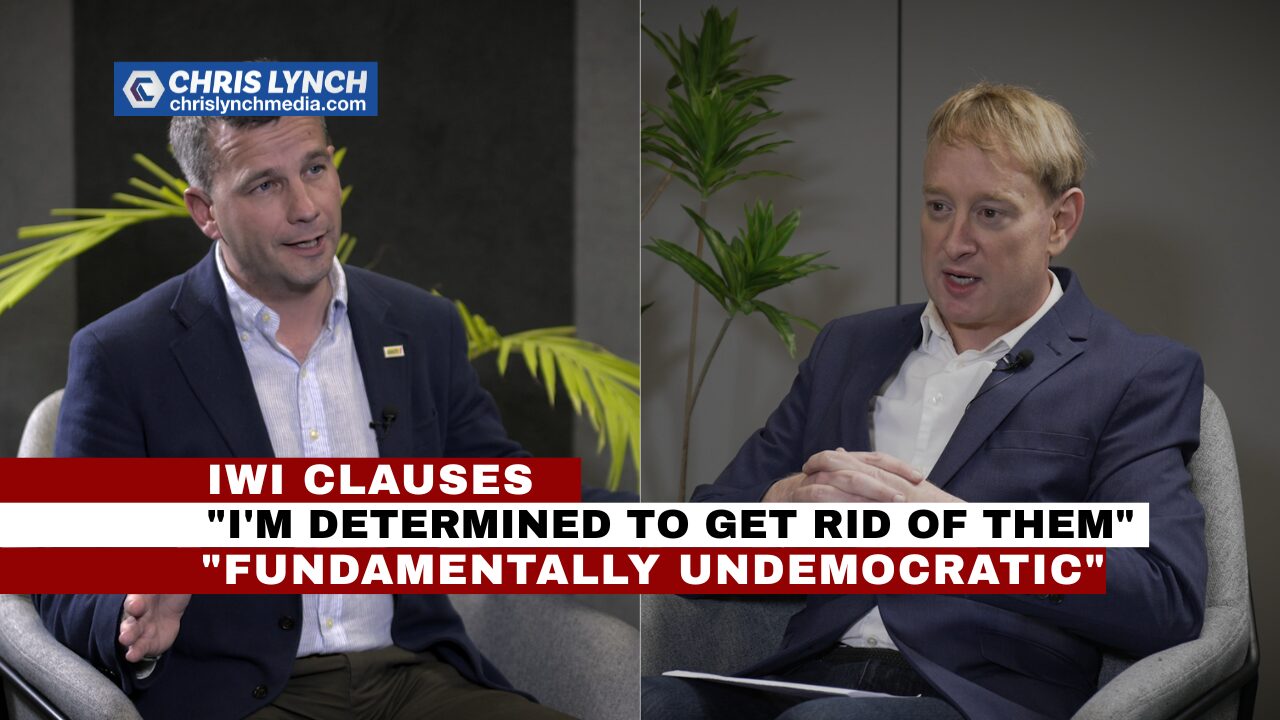
Acting Prime Minister David Seymour has used a Christchurch interview to say existing iwi participation agreements should be abolished under the Government's Resource Management Act replacement, following Environment Canterbury's decision to pull consideration of a Mana Whakahono a Rohe agreement with Ngai Tahu from its agenda.
Local reporting on Friday said the ACT leader described the agreements as fundamentally undemocratic. The comments came days after ECan backed away from considering the proposed agreement after criticism from Federated Farmers. Seymour said the agreements were introduced in 2016 through a deal between National and the Maori Party, and that he now wants the replacement planning system to remove both future and existing agreements.
The policy argument is highly charged because it sits at the intersection of planning law, treaty relationships, local democracy and regional resource management. Mana Whakahono a Rohe agreements were designed to support iwi participation in resource management processes. Supporters view them as a mechanism for recognising mana whenua interests and improving decision-making. Critics argue they can give some groups a privileged role in planning decisions beyond the ordinary democratic process.
Seymour's Christchurch comments sharpen the debate because ECan is responsible for regional environmental management across Canterbury, including water, transport, air quality and land-use settings that affect farmers, urban residents, iwi, councils and businesses. Any change to participation mechanisms would therefore have practical consequences in this region rather than only symbolic political value.
Seymour told local media New Zealanders should focus on what they have in common rather than on differences. He also argued that unelected council officials have too much power and that the problem with local democracy is often bureaucracy rather than elected members. Those comments will appeal to voters who feel planning decisions are too distant, technical or slow. They will concern others who believe environmental decisions need structured input from mana whenua and subject-matter experts.
The interview also touched on Christchurch's economic position. Seymour said the city was booming and contrasted its mood and property market with Wellington and Auckland. That local observation supports his wider political pitch: Christchurch is being used as an example of a city that can grow if the national regulatory environment is less restrictive.
The unresolved issue is what replaces the current arrangements. Removing iwi participation agreements would not by itself answer how the new planning system recognises treaty obligations, local knowledge, environmental safeguards or community input. If the Government wants a simpler framework, it will still need a credible path for consultation, evidence and accountability.
For Canterbury, the immediate significance is that ECan's backdown has become part of a national election-year argument about planning reform. What began as a regional council agenda item is now being used by a party leader to justify broader legal change. That means farmers, urban ratepayers, iwi, developers and environmental groups should watch the RMA replacement debate closely.
The practical question is not only whether agreements stay or go. It is whether the next system gives Canterbury faster decisions, clearer responsibilities and stronger public trust, or simply moves a contested issue into a new legal shape.