Christchurch drivers are being told to ignore QR-code payment stickers on parking machines after fraudulent labels were found across the city on Tuesday.
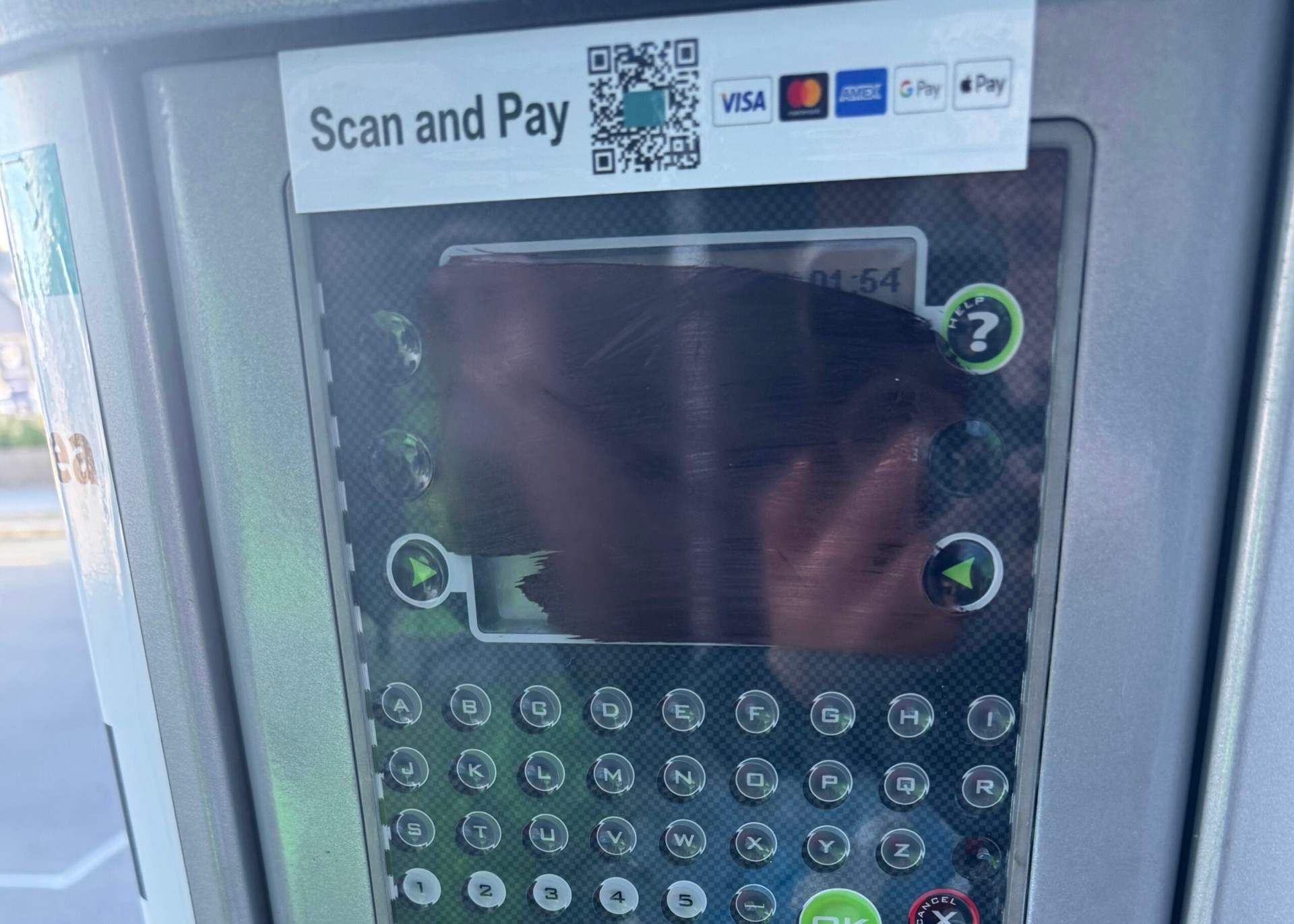
Christchurch City Council said the stickers were discovered on some parking machines, including council-owned machines and machines run by other parking providers. Local reporting said the council found the stickers on Tuesday morning and that the meter screens had been marked with permanent marker in an apparent attempt to stop people using the normal payment method and push them toward the fake QR code instead.
The warning is straightforward: council-owned parking sites do not use QR-code stickers as the payment pathway. The correct payment method is shown on the parking meter itself. Anyone who may have entered card or account details through one of the fraudulent websites should contact their bank, Police and the council.
The risk for Christchurch motorists is not just an overpayment or a bad link. QR-code parking scams are designed to move people from a trusted public machine to a lookalike payment page where personal and financial information can be captured. The physical setting makes the scam more convincing. A sticker on a real parking meter can feel official, especially if the screen has been vandalised or if a driver is in a hurry, trying to avoid a fine, managing children, or parking in poor weather.
The council response included removing the stickers it had found and increasing checks by the Parking Compliance team. Head of Transport Stephen Wright said the council was taking the issue seriously and would continue monitoring meters. The council is also working with Police and other parking providers so that similar stickers can be recognised and removed.
For drivers, the safest approach is to slow the payment process down. If a machine has a sticker directing payment through a QR code, treat it as suspicious. If the screen has been defaced in a way that pushes users toward a sticker, treat that as a stronger warning sign. Use the payment options displayed by the official machine or the council's recognised parking systems, and do not enter card details into a website reached from a sticker.
The advice is especially important in central Christchurch, where parking turnover is high and many visitors may not know the local system. A commuter may notice that a sticker looks unusual, but a visitor heading to a meeting, hospital appointment, hospitality venue or event may assume it is a normal update. That is why public warnings need to be repeated quickly rather than left as a niche technology notice.
Anyone who has used one of the fake codes should act as if card details may have been exposed. Contact the bank first, because stopping or monitoring the payment card is time-sensitive. Police should be notified so the fraud pattern can be tracked. The council has also asked people to report the location of fraudulent stickers through its contact centre so teams can remove them.
The wider lesson is that public infrastructure is now part of the scam surface. Parking meters, signs and payment prompts rely on public trust. When fraudsters attach their own payment path to a trusted asset, they exploit both the machine and the driver's routine. Christchurch's immediate task is to clear the stickers. The public's task is to stop treating every QR code in a public place as safe.