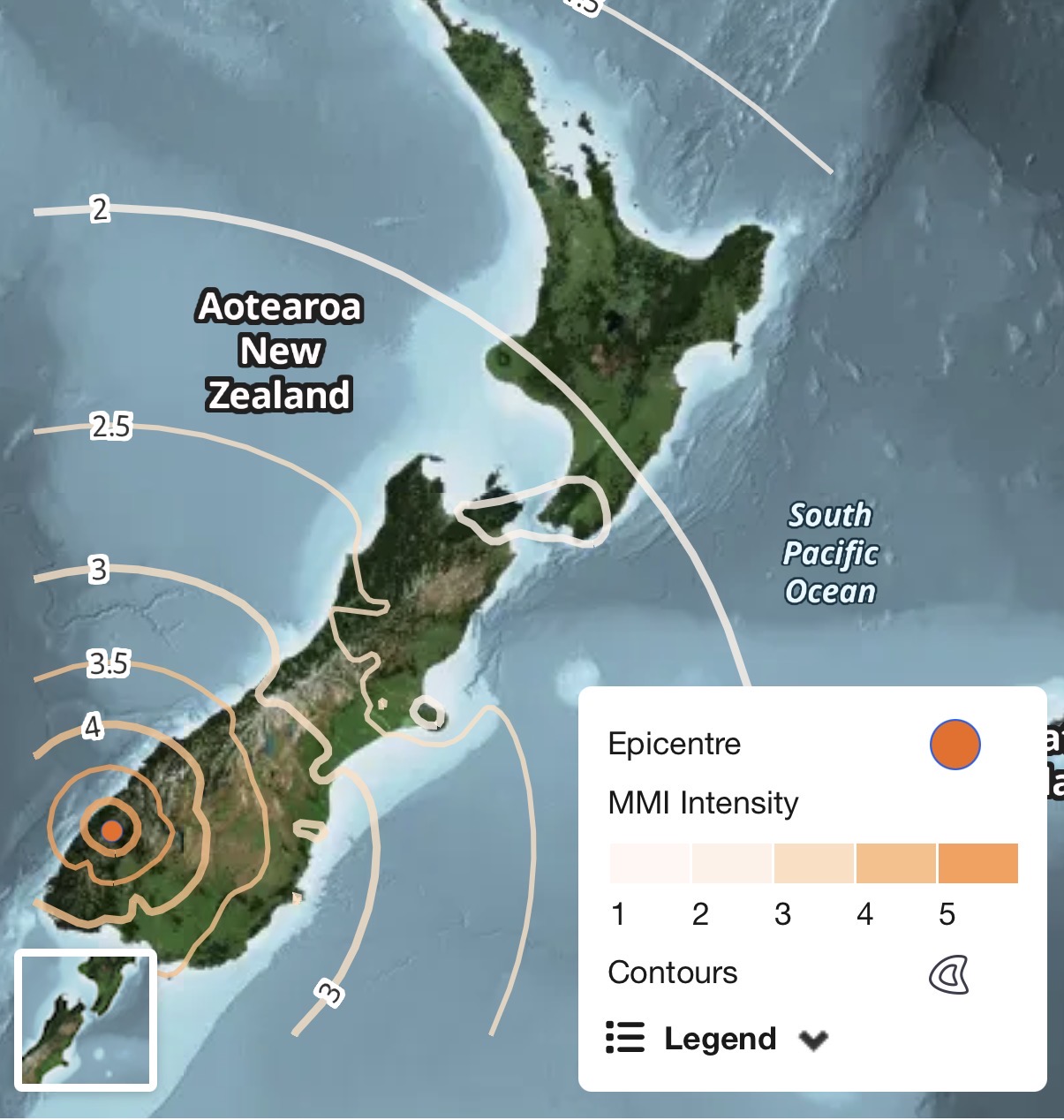
A strong earthquake near Te Anau on Thursday night triggered tsunami warnings for parts of the lower South Island and put Canterbury residents back into the familiar routine of checking official updates, aftershocks and coastal safety advice.
Local reporting at 10pm on 16 July said a tsunami warning had been issued after a magnitude 6.3 earthquake north of Te Anau. The report said the National Emergency Management Agency warned that land inundation was likely along the West Coast of the South Island from Milford Sound to Puysegur Point, and that people near the coast in those areas were told to move immediately to high ground, leave tsunami evacuation zones or go as far inland as possible.
Later coverage from major national outlets reported that the earthquake magnitude was revised down to 5.9, but the public-safety significance remains the same. A large South Island earthquake is not only a Fiordland event when it is felt across several regions and triggers national warning systems. Canterbury is not in the land-threat area described in the first warning, but the shaking and the national alert response are still relevant for local preparedness.
National Emergency Management Agency guidance says people should not wait for an official warning if they experience natural tsunami warning signs. The agency's message is "Long or Strong, Get Gone". It advises people to drop, cover and hold during shaking, then move immediately to the nearest high ground or as far inland as possible if they are near the coast and the shaking is strong, hard to stand through, or lasts a minute or more.
That guidance is familiar in Canterbury because earthquake memory is part of daily civic life. But familiarity can also breed hesitation. The warning issued after the Te Anau quake is a reminder that coastal visitors, trampers, boaties and holiday drivers need to know the difference between general curiosity and immediate action. The official advice is to walk, run or cycle where possible during evacuation because damaged roads and traffic congestion can trap people.
The warning also carries a message for people away from the direct threat zone. After a major quake, do not go sightseeing near beaches, estuaries, rivers or harbours, and do not treat the first alert as the end of the event. NEMA guidance says tsunami activity can continue for several hours and the first wave may not be the largest. It also says aftershocks can generate further tsunami risk, so people should be ready to drop, cover and hold again.
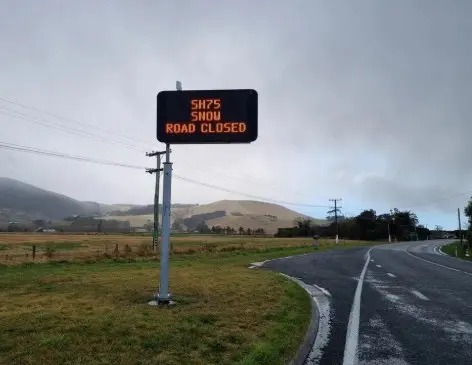
For Christchurch and Canterbury, the immediate practical response is simple: check Civil Defence, GeoNet and local council updates rather than social media fragments; keep emergency grab bags and household plans current; and make sure family members know where to go if they are on the coast when shaking occurs. People travelling in the South Island should also check road conditions, especially near alpine and coastal routes where earthquake shaking can interact with slips, rockfall and bridge risks.
The event is also an editorial reminder not to let the region's recent flood coverage crowd out earthquake readiness. Canterbury has spent the past fortnight watching rain, slips and flood recovery. Thursday night's Te Anau earthquake shows how quickly the hazard profile can change. A storm system, a flood response and a geohazard warning can all sit close together in winter. Preparedness needs to cover all three, not just the weather that dominated yesterday's headlines.