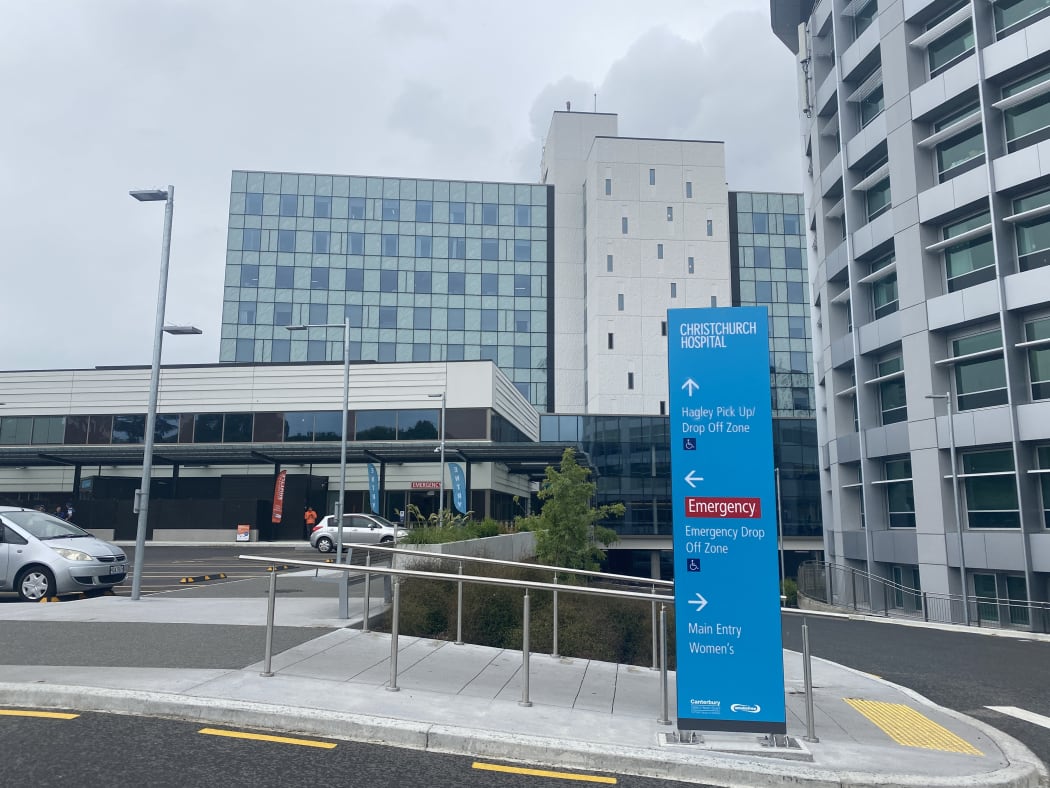
More than 10,000 people are now on Christchurch Hospital's gastroenterology waitlist for colonoscopy-related care, putting renewed pressure on Canterbury's bowel cancer surveillance and diagnostic capacity.
Local reporting on 13 July said figures released under the Official Information Act showed 10,140 people on the Christchurch Hospital Gastroenterology department's active or suspended waitlist as at 19 June. The report says 8,376 of those people were surveillance patients, meaning they needed planned repeat procedures because of elevated bowel cancer risk or previous findings such as polyps or inflammatory bowel disease. A further 1,707 were classed as non-urgent and 57 as urgent. The numbers exclude patients in the National Bowel Screening Programme.
The scale of the list is the most important public-interest fact. Colonoscopy demand can sound technical, but for patients it means waiting for a procedure that may detect cancer, explain symptoms, remove polyps or give a family confidence that a previous finding is being monitored. Surveillance patients are not people casually requesting a test. They are people whose clinical history means the system has already identified a need to look again.
The reported delays are also material. Health New Zealand data cited in the local report shows surveillance colonoscopy patients waited an average of five months past their treat-by date over the year to 31 May, while new patients waited 6.2 months. That is not the same as saying every patient has the same level of risk, but it does show a system operating beyond the timeframe clinicians intended.
The issue follows earlier reporting on Annette Watson, a 75-year-old Christchurch woman who died after Health NZ admitted her surveillance colonoscopy was carried out six months late. That case gives the waitlist story a human context, but the numbers show it is not a single-family concern. It is a structural capacity problem affecting thousands of Cantabrians.
Health NZ's response, as reported, points to several measures already under way. These include Saturday morning clinics, faecal immunochemical testing to help fast-track the most urgent cases, extra outsourcing above the yearly baseline, and the Christchurch Hospital Endoscopy Expansion Project, which is reported to remain on track to open in November 2026. The agency also said demand is growing because of an ageing population, more symptomatic referrals, larger surveillance lists and changes to free bowel screening eligibility.
Outsourcing is part of the current answer, but it is not simple capacity on demand. The report says about 3,300 colonoscopies are expected to be completed through private providers this financial year, on top of public capacity. It also says up to 22 percent of outsourced referrals are returned after further clinical review, including where patients are assessed as unsuitable for a private setting, where more information is needed, or where provider capacity is constrained.
Staffing remains another pressure point. Christchurch Hospital is reported to employ 16 gastroenterologists recruited to 13.15 full-time equivalents against a budgeted 13.93, leaving a vacancy of 0.78 full-time equivalent. Even a small staffing gap can matter in a service where procedure time, follow-up, triage and supervision all compete for specialist attention.
The immediate question for Christchurch is whether the measures now in place can stabilise the list before the endoscopy expansion opens. The longer-term question is whether Canterbury can build enough public capacity to keep pace with screening changes and an older population. Patients do not experience waitlists as spreadsheets. They experience them as months of uncertainty, and that is why this issue will keep demanding public scrutiny.