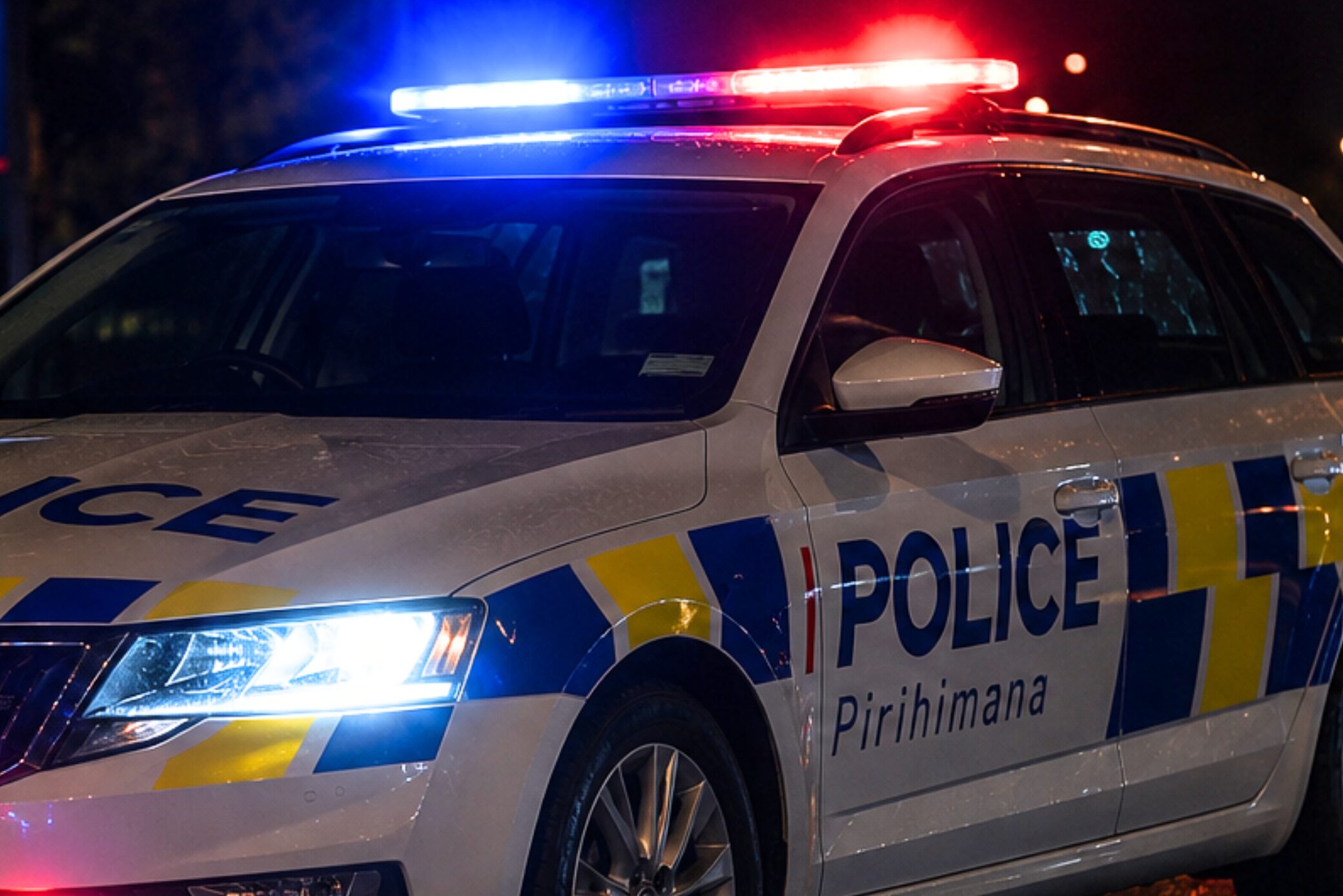
Police are investigating a linked overnight sequence across Christchurch and Rolleston after stolen cars, a vehicle fire and two burglaries were reported within hours of each other.
Chris Lynch Media reported on 12 July that Senior Sergeant Hamish Keer-Keer said police were first called after a person was seen trying to break into a van on Lady Isaac Drive in Rolleston at about 2.40am. As officers arrived, two cars were seen leaving the area. Police later confirmed both vehicles had been stolen.
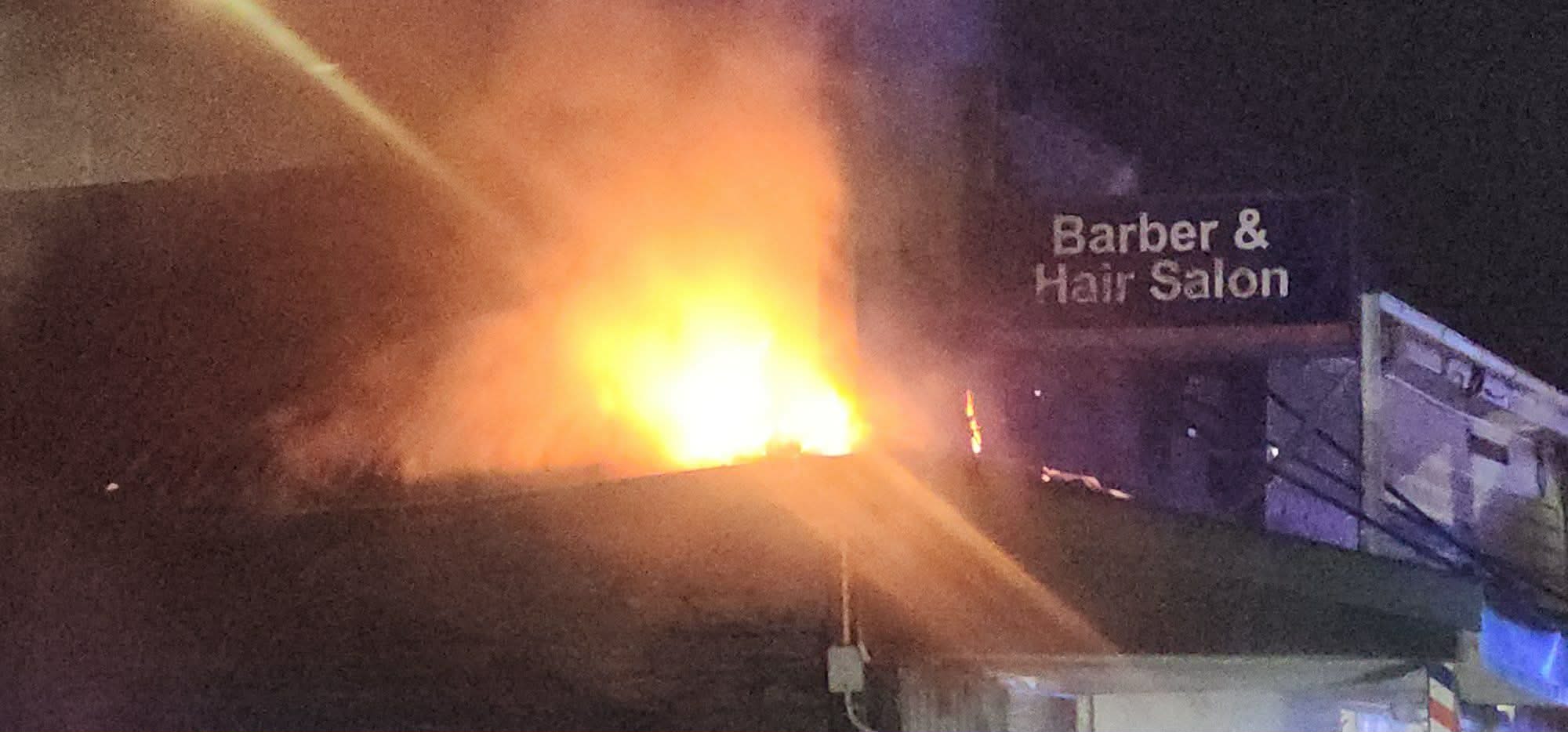
The pattern then moved back toward Christchurch. About 45 minutes later, one of the stolen cars was set alight on Branston Street in Hornby. Police were then advised at about 3.20am of a burglary at a commercial property on Halswell Junction Road. Keer-Keer said it had not yet been confirmed whether that burglary was linked to the same offender or offenders. A bar on Withells Street in Avonhead was burgled at about 4am, and one of the cars used in the earlier Lady Isaac Drive incident was seen leaving the area immediately after.
The available detail does not support naming suspects, assuming a motive or treating every incident as conclusively linked. But the timing and movement matter. Rolleston, Hornby, Halswell Junction Road and Avonhead form a practical corridor across the south and west of greater Christchurch. For residents and small businesses, that makes the story feel less like isolated offending and more like a mobile overnight crime run.
The public impact is also broader than the number of incidents. A stolen vehicle is often both the crime and the tool for further offending. Once offenders have transport, they can move quickly between suburbs, switch targets and leave before alarm calls or witness reports turn into a police stop. When a stolen car is then burned, investigators lose a valuable source of evidence and a neighbourhood is left with fire risk as well as property loss.
Commercial properties are especially exposed during the hours described by police. At 3am or 4am, staff are not usually on site, witnesses are fewer, and offenders can target yards, tools, stock, tills, vehicles or entry points. Even when the direct loss is modest, the after-effect can be expensive: broken doors, lost trading time, insurance excesses, staff disruption and extra security spending.
Police said there were no pursuits of the cars involved at any time. That is an important operational detail because pursuit decisions involve public safety, speed, road conditions and the risk posed by the driving. The absence of a pursuit does not mean police are inactive; it means investigators may now rely on witness accounts, CCTV, forensic work, vehicle movements and later sightings to identify those involved.
The safest public response is practical rather than panicked. Businesses in affected areas should check camera coverage, lock away keys and tools, report suspicious overnight activity quickly and preserve any footage rather than overwriting it. Residents should avoid confronting offenders and should pass registration details, descriptions and timing to police where available.
Christchurch has had several recent burglary and stolen-vehicle stories, so confidence depends on visible follow-up. For now, the confirmed facts are clear enough: two stolen cars, a car fire, two burglaries under investigation and police inquiries continuing across greater Christchurch.