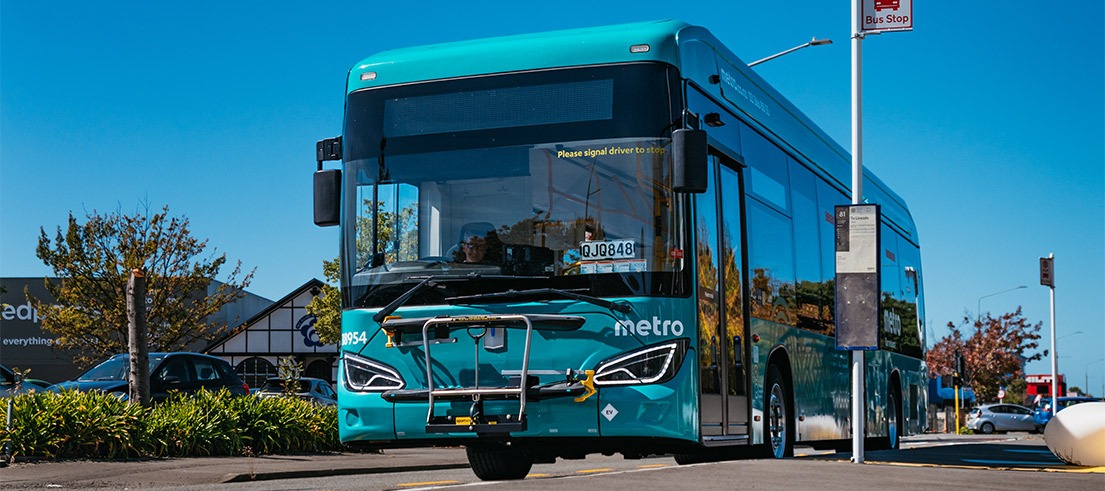
Greater Christchurch's public transport review has drawn 11,738 responses from people and organisations, giving Environment Canterbury a large evidence base as it works through the next decade of Metro bus and ferry planning.
Metro Christchurch published the consultation result on 25 June, saying the six-week process covered services across Christchurch, Selwyn and Waimakariri. Around three-quarters of responses came from Christchurch City, with more than 1,300 from Selwyn and more than 900 from Waimakariri. Metro says the feedback is likely the most Environment Canterbury has ever received for a consultation.
The scale of response matters because public transport planning can easily become an argument between technical modelling and individual frustration. Passenger data, population projections and travel modelling are essential, but they do not always show why a bus feels unusable to a shift worker, student, older resident or parent managing school and work trips. A large response gives planners more detail about where the network feels strong, where gaps hurt daily life and where future growth will place new pressure on routes.
The review is focused on the Greater Christchurch Metro network from 2027 to 2037. Metro says the feedback will be analysed and used alongside technical information to identify priorities. Environment Canterbury will then develop three options for improvement, each with a different pace and scale of change. A final report on feedback is expected to be publicly available by the end of September, and Greater Christchurch is expected to get another chance to respond early next year through the draft Long-Term Plan 2027-37 process.
There are clear limits to the review. Metro says it does not include trains, light rail, fares, or requests for services outside the current Greater Christchurch network area. That boundary is important because many residents may want the consultation to answer bigger transport questions immediately. The current process is narrower: it is about the bus and ferry network that already serves the Greater Christchurch area and how that network should improve over the next decade.
One specific route issue is also moving through the process. The council sought feedback on a proposal to improve Route 44 Shirley/Westmorland and remove Route 135 New Brighton/The Palms, described by Metro as one of the network's lowest-performing routes. More than 1,700 responses were received on that proposal, with findings and next steps expected at a council briefing and a decision expected at the end of September 2026.
This feedback result lands in the same week Environment Canterbury confirmed its annual plan decisions. Public transport trials and route improvements remain part of the regional council's work, including the Aranui trial service and planning for routes in high-growth areas. The wider challenge is funding. Metro says the network review will also support advocacy to central government for co-funding through the National Land Transport Fund.
For Christchurch readers, the practical message is that public transport decisions are now moving from survey forms into analysis. The big response does not guarantee every requested route, timetable or stop will be funded. It does mean the council has a stronger public record to work from. The next test will be whether September's report clearly shows what people asked for, what the data supports, what money is available and which improvements can realistically happen first.