Christchurch City Council will propose keeping the city's existing boundaries while becoming a unitary authority, after councillors rejected a wider Greater Christchurch amalgamation option and chose a narrower Head Start reform position.
The Council's Newsline service reported that councillors voted on 5 August to form a unitary authority that would absorb Environment Canterbury functions. Under the reform pathway described by the Council, regional councillors would not be re-elected from 2028 if the new arrangements proceed. The proposal must be submitted to the Government by 9 August, with Cabinet expected to decide in September whether it advances to detailed design.
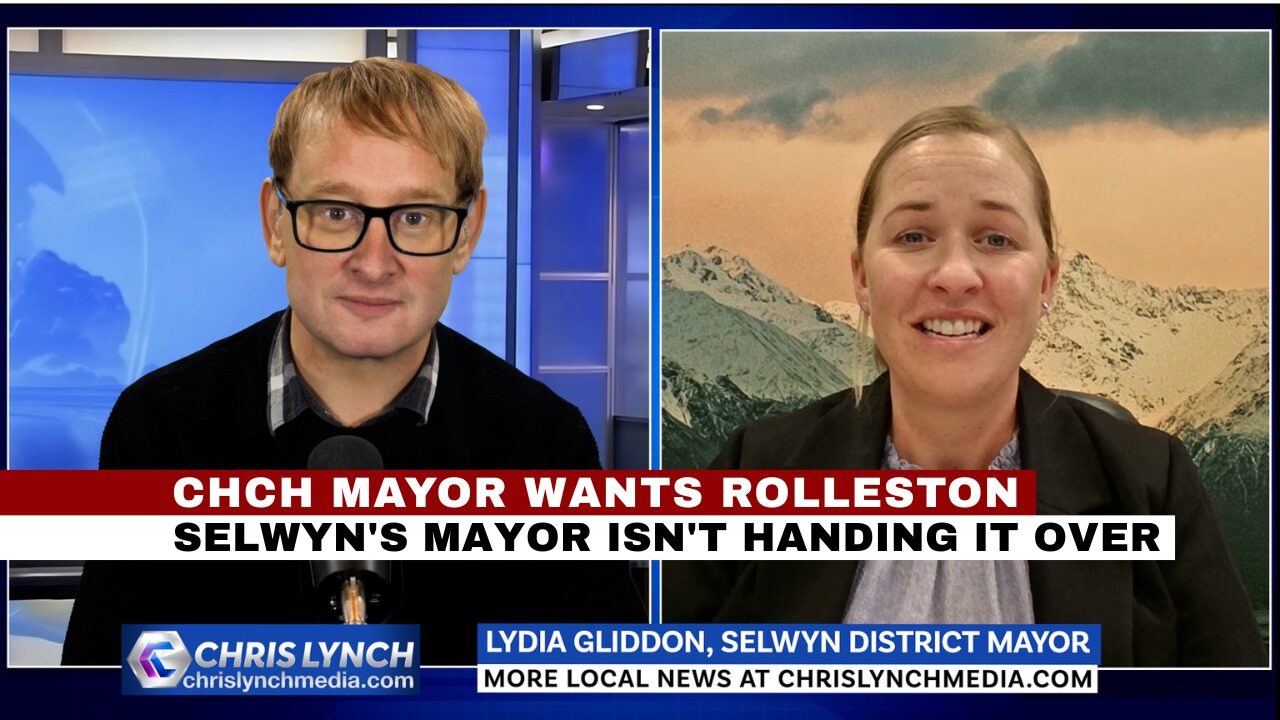
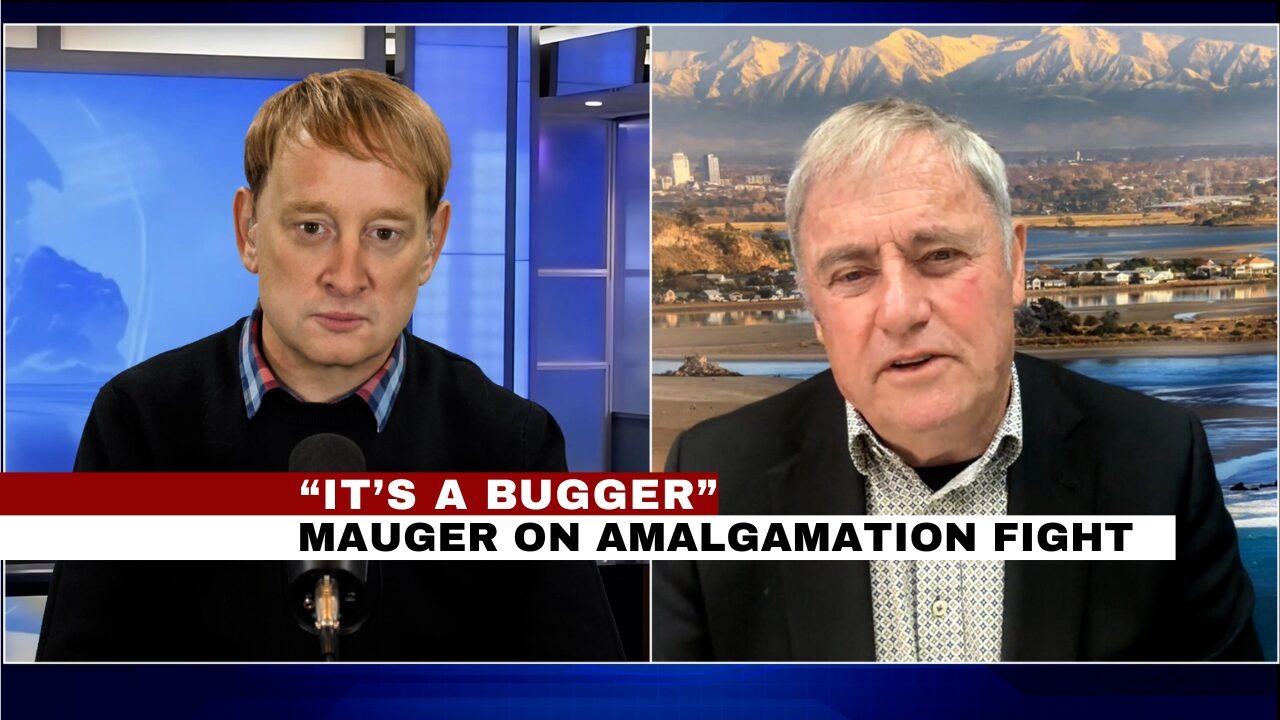
The decision is a clear update from Tuesday's debate because councillors have now moved from whether and how to participate to a specific preferred option. Mayor Phil Mauger had proposed a Greater Christchurch metro unitary model that would have brought Christchurch together with metro Selwyn and metro Waimakariri while also absorbing Environment Canterbury functions. Newsline said that option was considered first but was not approved. Chris Lynch Media reported that Mauger's wider expansion bid failed by a single vote.
For residents, the practical distinction is significant. The narrower option keeps the current Christchurch City Council boundary, including Banks Peninsula, and adds regional-council responsibilities. The wider option would have redrawn the political map around the urban areas that already share housing, commuting, transport and infrastructure pressures with Christchurch. Choosing the narrower model reduces the immediate boundary shock, but it does not avoid major organisational change if regional functions move into a city-based unitary authority.
The timing is tight. The Government's Head Start Pathway gives councils until 9 August to submit proposals for simplified local government arrangements. Accepted proposals are expected to move into detailed design from October 2026 to March 2027, with final Cabinet approval in May 2027 and legislation before the October 2028 local elections. That timetable means today's decision could shape who governs transport, environmental planning, water management and regional functions before the end of the decade.
Mauger said in the Council's report that he was disappointed the Greater Christchurch option failed to gain support, but pleased the city remained at the Head Start table. That framing matters. The vote was not a decision to keep the whole system as it is. It was a decision to enter the reform process with a proposal that limits boundary change while still seeking unitary authority status.
There are still unresolved questions. The Council must work with neighbours and the Government, and Head Start guidance says proposals must involve two or more councils unless there is another acceptable pathway. Selwyn and Waimakariri have their own interests, identities and growth pressures. Environment Canterbury's functions are also broad, ranging across regional transport, environment, water, hazards and catchments. Moving those responsibilities would involve staffing, funding, governance and accountability decisions that cannot be settled by one headline vote.
The angle here is the confirmed result: Christchurch has chosen the current-boundary unitary path over Mauger's wider metro model. The next question is whether that proposal can survive discussions with neighbouring councils and the Government before the August and September milestones arrive.