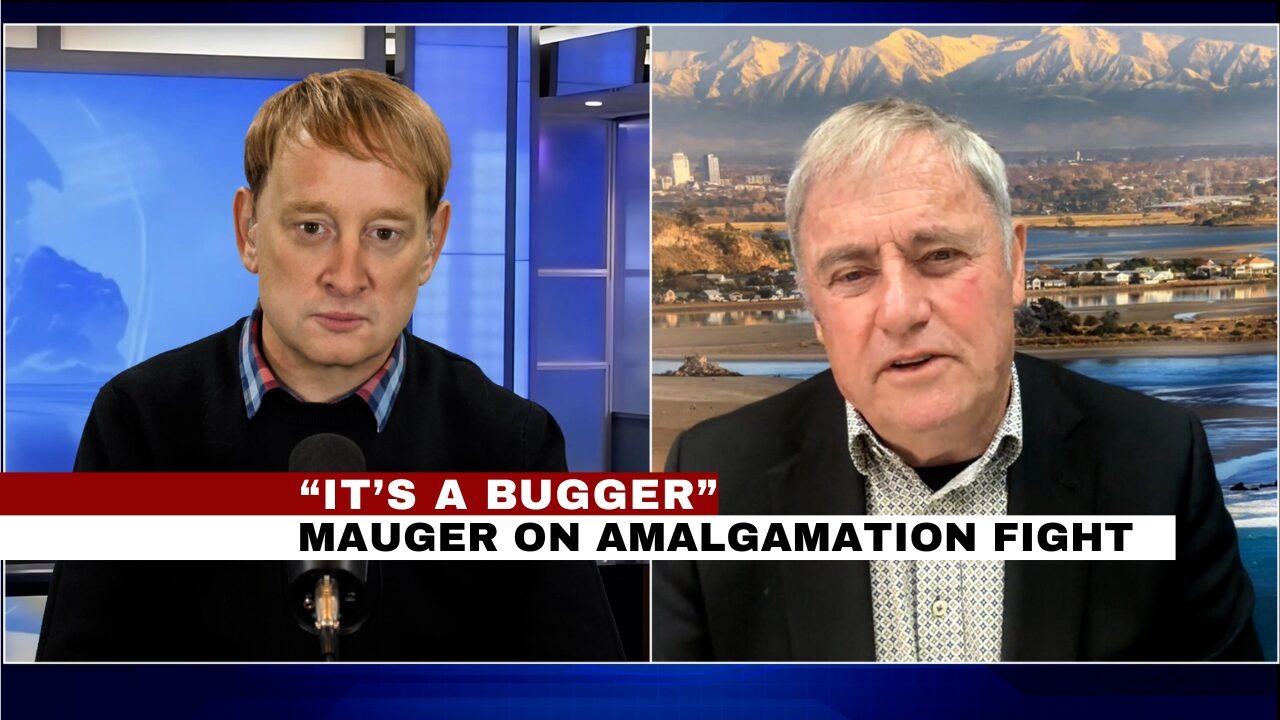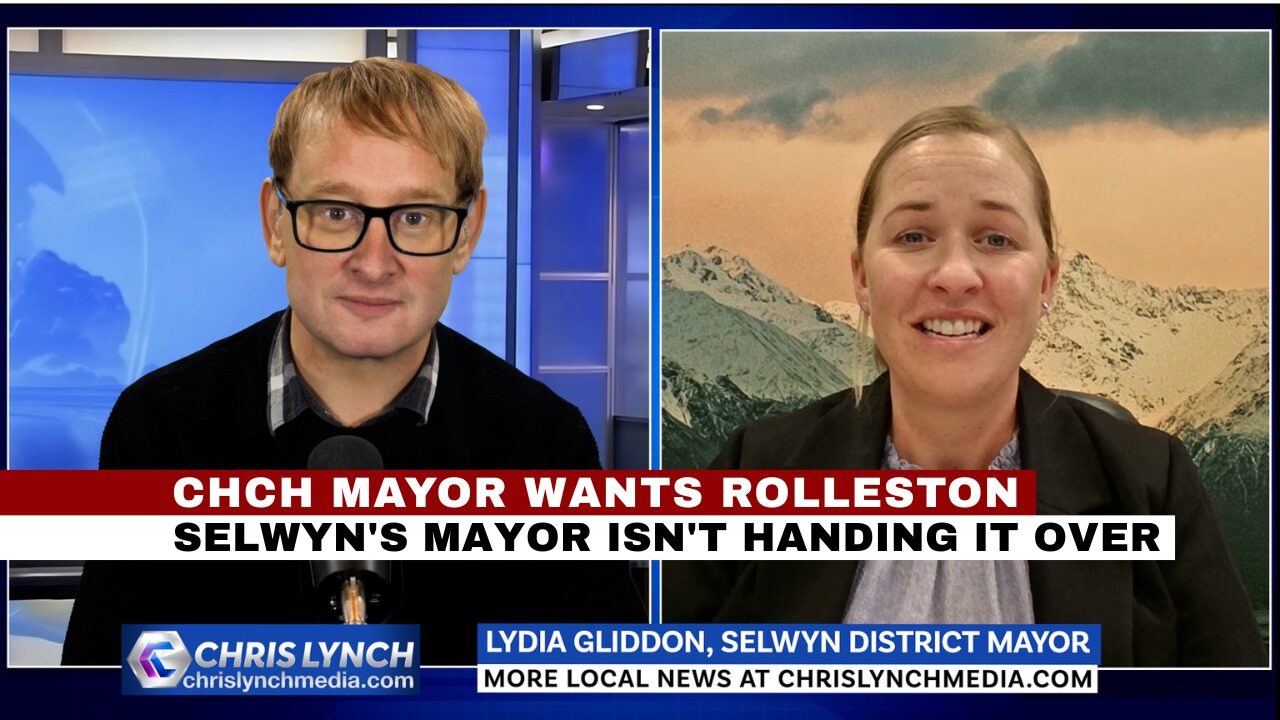
Christchurch Mayor Phil Mauger and Selwyn Mayor Lydia Gliddon have landed on sharply different starting points for Canterbury's fast-moving Head Start local government reform debate, setting up a regional argument over whether growth towns should sit with Christchurch or stay inside Selwyn.
Chris Lynch Media reported on Tuesday evening that Gliddon wants Selwyn to push for a standalone unitary authority. Selwyn councillors voted last Thursday to pursue that path after a 10-day community survey in which 58 percent of more than 4000 respondents supported the district governing itself. Gliddon's position is that Selwyn should not be split between its fast-growing urban towns and its rural areas.
Christchurch's position is still being formed, but the direction is now clearer. Earlier Tuesday, Christchurch city councillors agreed to participate in the Government's Head Start process, despite several councillors voicing frustration about the speed and shape of the reforms. Mauger signalled support for an option that would bring the urban areas of Selwyn and Waimakariri into Christchurch, including Rolleston, Lincoln, Prebbleton, Kaiapoi and Rangiora.
The issue matters because Head Start is not a routine boundary review. Christchurch City Council's own material says councillors have been considering options that range from keeping Christchurch and Banks Peninsula within current boundaries while taking on regional council functions, through to a single council for all of Canterbury. The Council agenda for 4 August said four outline proposals had been developed for elected members' consideration.
Selwyn's public FAQ explains the central government pathway in plain terms: councils can put forward proposals that create unitary authorities, combining territorial council functions with regional council responsibilities now handled by Environment Canterbury. The deadline for proposals is 9 August. If councils do not pursue Head Start, the Government can use a later compulsory backstop process.
That deadline is why Tuesday's Christchurch vote matters even though it did not settle the final model. Councillors were effectively deciding whether to enter the process and retain a voice, or stay out and risk losing influence over the design. The source reporting recorded strong dissatisfaction with the process, but support for participating so Christchurch was not absent from decisions about its own future.
For Selwyn, the fear is different. The district has grown rapidly around towns such as Rolleston and Lincoln, and those communities increasingly share commuting, housing, infrastructure and service pressures with Christchurch. But Gliddon argues that cutting those towns away from the rural remainder would weaken Selwyn's local voice and ignore how the district sees itself. She has written to other Canterbury mayors seeking support for Selwyn's standalone approach.
The next few days will test whether Canterbury councils can find compatible proposals before the Sunday deadline. The Canterbury Mayoral Forum was due to meet online on Saturday, according to the source reporting, and Cabinet is expected to decide in September which proposals move forward. New councils are expected to operate in time for the 2028 local election if proposals are accepted.
The safe conclusion is that Canterbury is not choosing between change and no change. Some form of change is now being pushed by central government. The live question is whether the region can design a structure that handles transport, catchments, growth, planning and local representation without making communities feel carved up for administrative convenience. Mauger and Gliddon have made clear that Christchurch and Selwyn are not yet reading that question the same way.