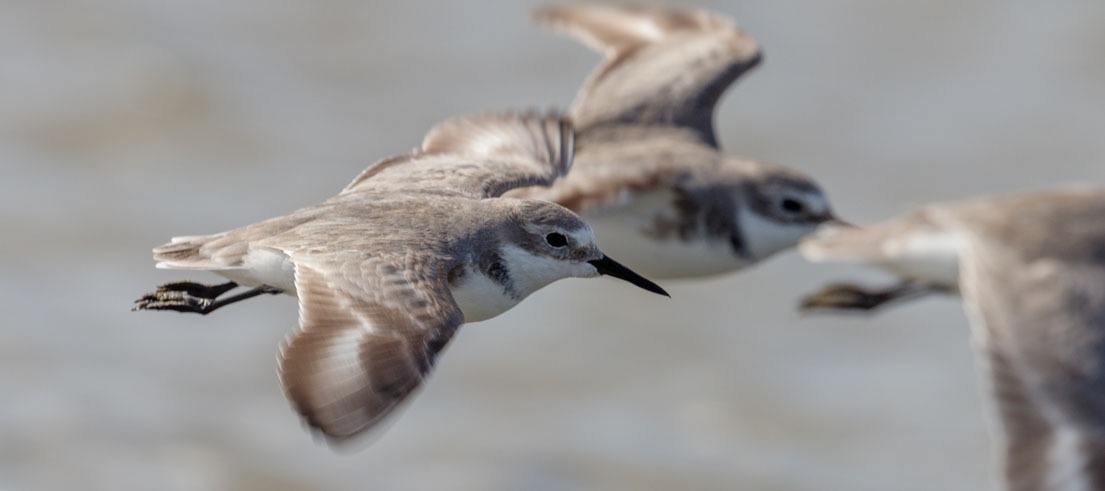
Canterbury poultry farmers, backyard bird owners and people who spend time around wild birds are being told to strengthen biosecurity now after the H5N1 strain of bird flu was confirmed in migratory seabirds in Western Australia.
Environment Canterbury says it is working with the Ministry for Primary Industries after the Australian detections brought the risk closer to New Zealand. The regional council's 23 June update says New Zealand has not had a case of this H5N1 strain, but that Canterbury has a particular interest because of its wild bird populations, wetlands, braided rivers, coastal areas and poultry sector.
The national position is similar. A Beehive release last week said MPI, the Department of Conservation, the Ministry of Health and Health New Zealand have been preparing with industry and local councils. MPI's public guidance says New Zealand remains free from highly pathogenic avian influenza H5N1, but that the virus is more likely to arrive through migratory wild birds than through ordinary human activity. MPI also says it is unlikely the virus could be kept out long-term or eradicated once established in wild bird populations.
That makes preparation more important than panic. Environment Canterbury is urging commercial poultry operators and backyard bird owners to prevent contact between domestic birds and wild birds, monitor birds closely for illness, clean boots, equipment, surfaces and hands regularly, and seek veterinary advice if there are concerns. These steps are basic biosecurity, but they become more important when risk increases.
The public also has a role in early detection. Environment Canterbury says people should keep a safe distance from sick or dead wildlife, avoid handling or moving birds and clean gear after outdoor activities. Health New Zealand advice says people should not touch or handle wild birds or marine mammals, especially if they are sick or dead, and should keep children, dogs and other animals away. If someone sees three or more sick or dead wild birds in a group, the advice is to report it to the exotic pest and disease hotline on 0800 80 99 66.
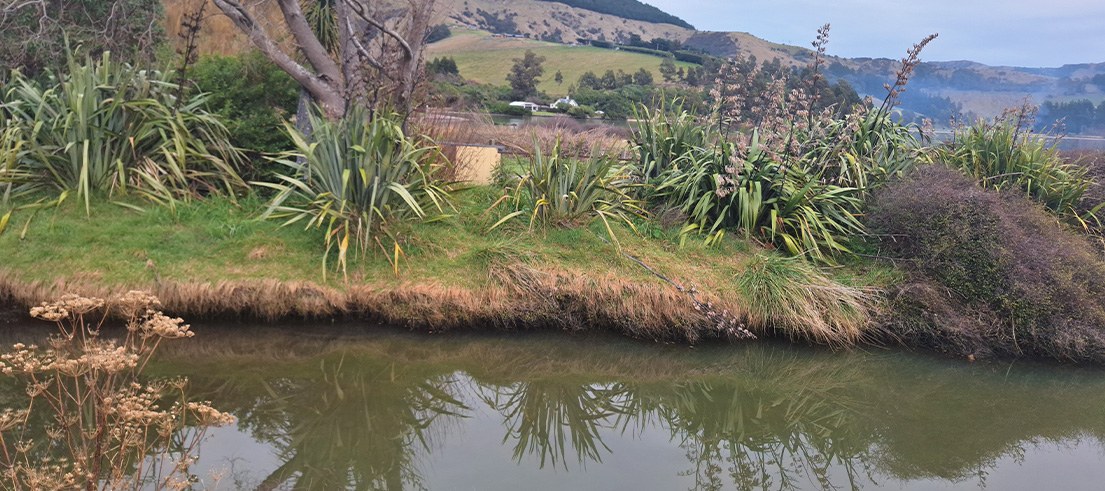
For Canterbury, the geography matters. Braided rivers, estuaries, wetlands, coastal areas and high-country environments are part of the region's identity and ecology. They are also places where wild birds gather or move through. A disease affecting wild birds can quickly become more than a farm issue; it can become a conservation, recreation, animal welfare and public-information challenge.
The poultry sector is the other major concern. A serious outbreak in commercial poultry could affect animal welfare, farm operations, supply chains and confidence. Backyard flocks also matter because they can create contact points between domestic birds, wild birds, pets and households. Owners who normally think of chickens as a small lifestyle choice may need to treat them as part of a wider biosecurity system.
Health agencies continue to describe the risk to human health as low, and Environment Canterbury says there is no food safety risk from H5N1. That reassurance should sit beside practical caution. People do not need to avoid beaches, rivers or parks because of the announcement, but they should not pick up sick or dead birds, should keep dogs under control around wildlife and should report clusters through the correct hotline.
The useful message for Canterbury is alertness. The virus is not confirmed in New Zealand, but the Australian detections have changed the risk environment. Bird owners can prepare before an outbreak, outdoor users can learn what to report, and agencies can keep advice consistent before the issue becomes more urgent.