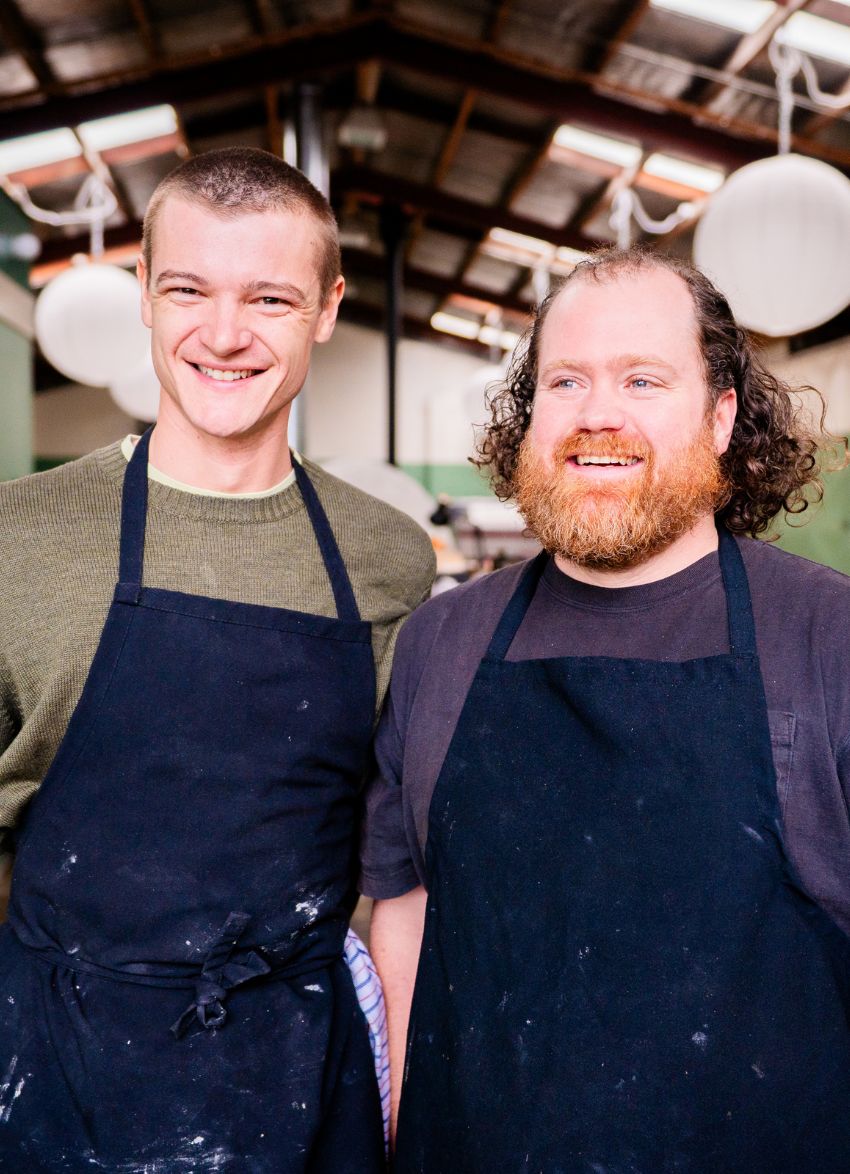
When Liam Kelleher returned to Christchurch after working in London's wine sector, he saw something in his hometown that many returning locals have started to notice: the city was ready for something different.
That belief became Lillies, an urban cidery, winery, and restaurant on Saint Asaph Street in Phillipstown, opened with co-owner Will Lyons-Bowman. Neat Places describes the venue as tucked away in an industrial part of Christchurch, serving wood-fired pizzas and Mediterranean-inspired dishes, with both Kelleher and Lyons-Bowman born and raised in Ōtautahi.
The Guardian also used Lillies as an example of Christchurch's changing energy, reporting that Kelleher returned after living in London and opened the city's first urban cidery and restaurant with Lyons-Bowman. In that story, Kelleher said the venture did not feel like a risk because Christchurch was ready for something different.
That sentence captures the founder instinct behind the business. Founders often begin by sensing a shift before everyone else can see it clearly. In Lillies' case, the shift was cultural. Christchurch was no longer just rebuilding. It was becoming more confident, more creative, and more willing to support new hospitality ideas.
The venue itself reflects that. Lillies is not trying to be a conventional restaurant in a polished central-city fit-out. It is part cidery, part winery, part neighbourhood dining room, built into a warehouse-style setting. Cuisine Magazine described it as a combination of cidermaker, winemaker, and chef in an urban industrial Christchurch location.
That mix gives the business its founder-led feel. It is not just another hospitality opening. It is a concept with personality, shaped by people who understand the city and want to add something to it.
Opening a hospitality business in the current economy takes nerve. Food costs, labour pressure, rent, rates, and cautious customers can make the sector unforgiving. But hospitality founders also play a unique role in a city's identity. They create the places where people gather, celebrate, date, talk, and feel that a neighbourhood is alive.
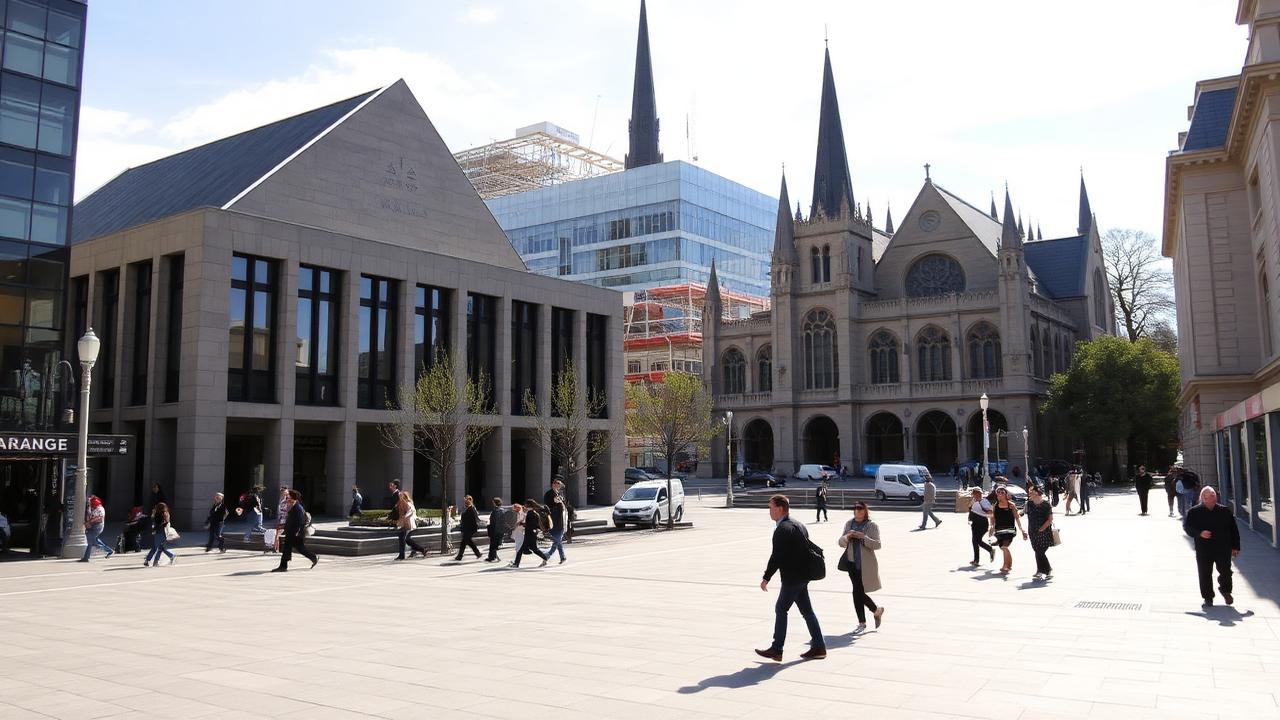
For Christchurch, venues like Lillies help tell a new story. They show that post-rebuild confidence is not only visible in major infrastructure projects or corporate investment. It is visible in small, founder-led spaces where people take creative risks.
The fact that Kelleher and Lyons-Bowman are local adds another layer. This is not a concept imported from elsewhere and placed into Christchurch. It is a business created by people who grew up in the city, left, returned, and saw new possibility in familiar streets.
That returning-founder story is becoming increasingly important for Christchurch. As housing pressure, lifestyle priorities, and business opportunities shift, the city is attracting people who once thought they had to leave to build a career or company.
Lillies shows what can happen when they come back with experience, taste, and belief in the city's next chapter.
On Saint Asaph Street, the result is more than a restaurant. It is a small but telling sign of a city becoming more comfortable with its own originality.