Mandeville Street Kitchen has become the local-operator story Christchurch should not miss this week after a weekend burglary left the Riccarton cafe damaged, short of stock and closed until at least Wednesday.
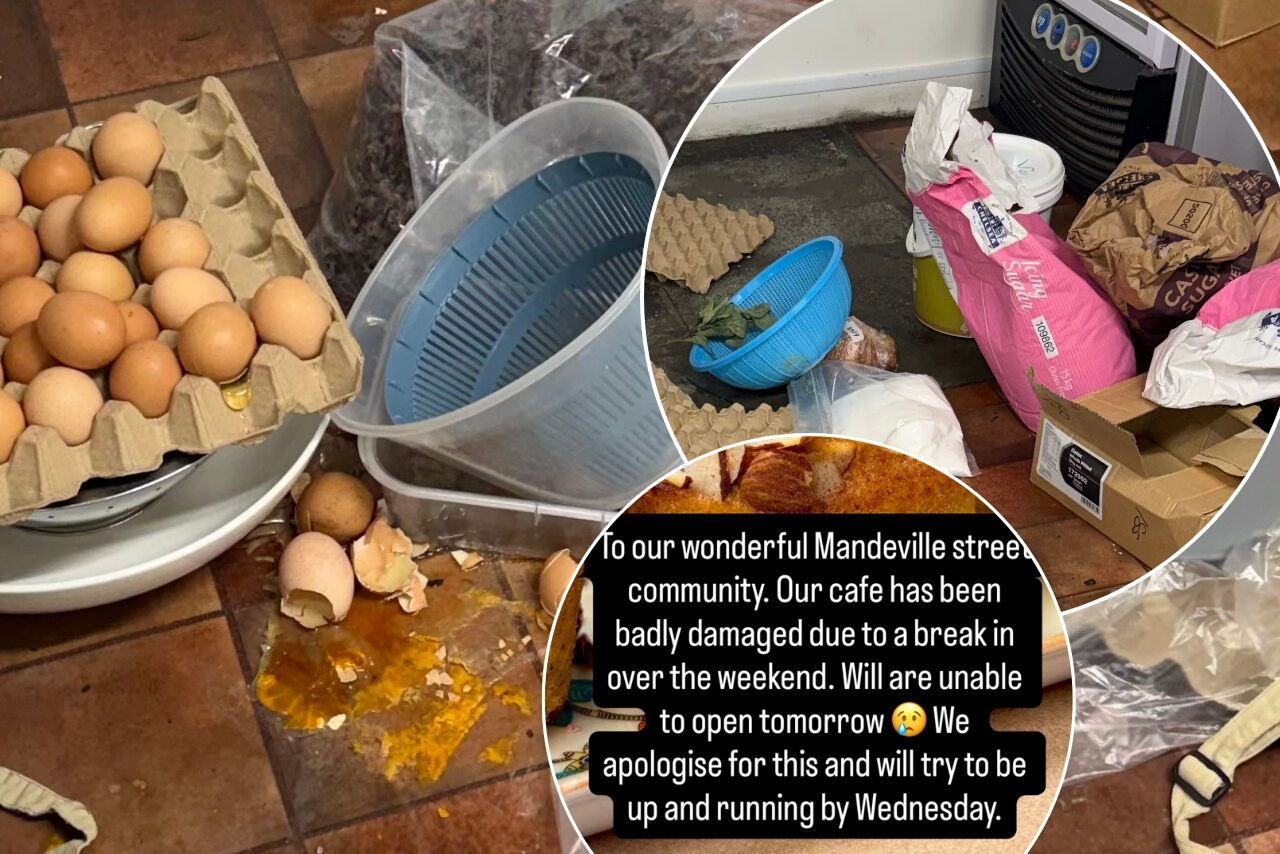
Chris Lynch Media reported on Monday that the Mandeville Street cafe had been forced shut after what owner Sarah-Jane described as a random and messy attack. The report said the back door was crowbarred open, the premises were ransacked, and the burglars took cash, baked goods, about 30 trays of eggs, and thousands of dollars worth of butter and cheese. The damage also extended to the till and technology equipment, while fridges and freezers were reportedly turned off, leaving remaining food to be discarded.
This is the founder-focused and local-operator item for today's Christchurch Bulletin pack because the public facts are being told through a named cafe owner dealing with the practical consequences of a break-in. It is not a generic crime brief. It is a small hospitality business story about how quickly a local operator can lose prepared food, trading time, equipment, ingredients and customer service momentum through one overnight incident.
Police confirmed to the source outlet that they had received a burglary report at a commercial premises on Mandeville Street on Sunday and that initial enquiries were under way. The available source material does not name a suspect, give an arrest, or provide a precise total loss figure beyond the reported value of stolen dairy products, eggs and other goods. For that reason, the safe article stops short of claiming more than has been verified.
The cafe's own public social media presence describes Mandeville Street Kitchen as a cafe that bakes, makes, creates, serves breakfast and lunch, and handles catering. Metropol's earlier food coverage also identified Sarah-Jane with the business's Christmas catering and baking offer. Those details matter because a cafe like this carries more than one revenue stream. A forced closure affects walk-in trade, cabinet food, coffee service, catering preparation and staff scheduling at the same time.
The customer reaction reported by Chris Lynch Media points to the other side of a neighbourhood cafe: the relationships that build around everyday service. Supportive social media messages described the cafe's cheerful greetings and food as part of customers' routines. For small hospitality operators, that goodwill is valuable, but it does not repair a door, replace spoiled food, fix point-of-sale systems or cover lost revenue by itself.
There is a wider business point here for Riccarton and Christchurch. Cafes operate on tight margins, and winter trading can already be uneven. Butter, cheese and eggs are not incidental items for a food business; they are core stock. Losing them to theft, then having to dump other food because refrigeration was interrupted, creates a direct cost before any repair bill is counted.
The immediate priority is whether Mandeville Street Kitchen can reopen safely and quickly. The longer-term issue is whether small local operators feel protected enough to keep investing in their premises, staff and customer base. A burglary that looks like one line in a police log can become several days of lost trading and weeks of recovery for the person who built the business.
Christchurch readers who want to support local hospitality should understand the practical shape of that support. It may mean returning when the doors reopen, placing catering orders, buying coffee from neighbourhood operators, and keeping attention on commercial burglaries that can otherwise vanish after the first social media post. Sarah-Jane's cafe is the immediate story, but the pressure sits across many small businesses that make Christchurch suburbs feel active and useful.