Christchurch food truck operators at the Arts Centre say repeated break-ins, vandalism and aggressive behaviour are making it harder for small hospitality businesses to keep trading in one of the city's most visible visitor precincts.
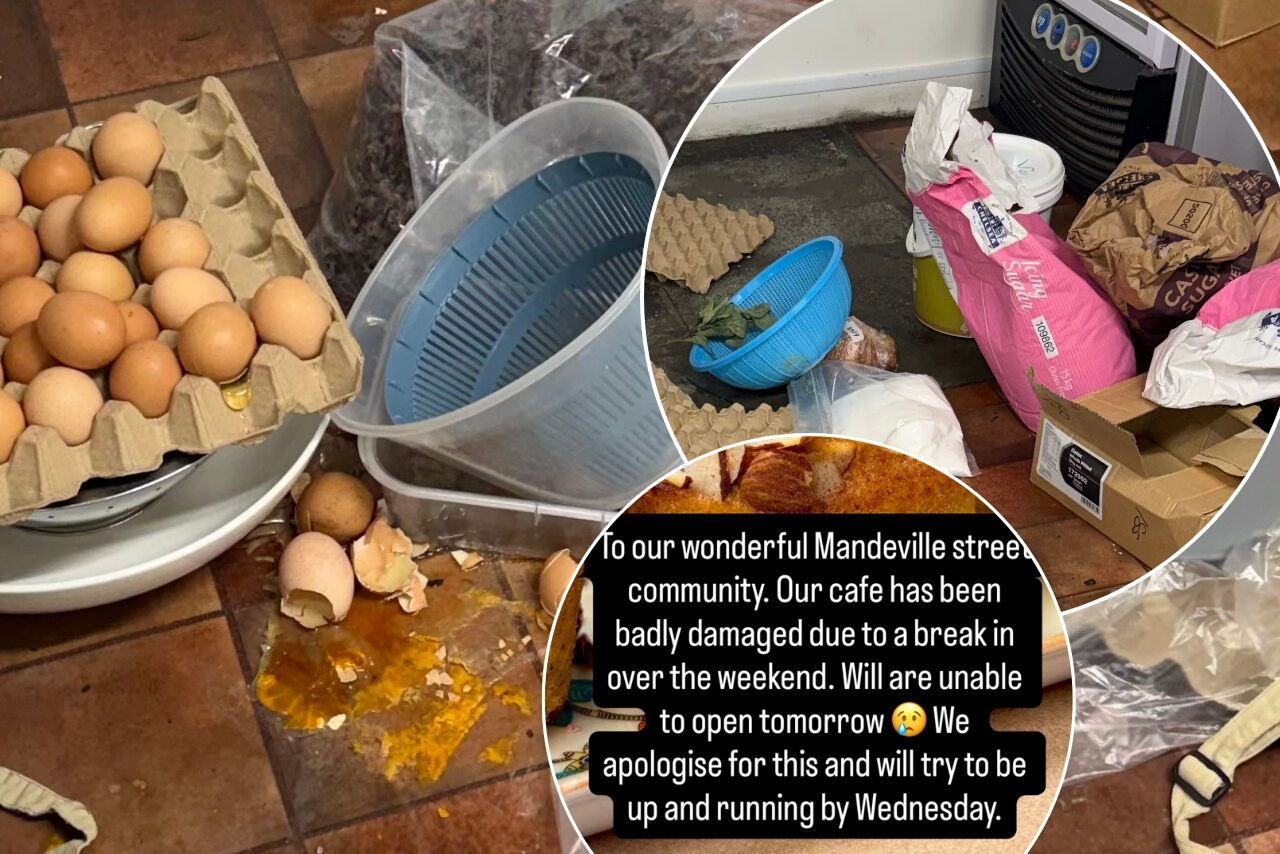
The clearest local-operator story is Raclette Team owner Tomas Kubica, who has spent three years selling raclette cheese dishes from his Christchurch food truck. Reporting by RNZ, carried by 1News and the Otago Daily Times, said Kubica's truck was seriously damaged after being broken into twice at the Arts Centre in April. He said the damage left him unable to operate until repairs were completed and cost the business about $5000 once repairs, discarded food, replacement stock and lost trading income were included.
This is the founder-focused article for today's Christchurch Bulletin pack because the issue is being told through the people who built and run the small food businesses affected. Kubica is not a distant corporate spokesperson. He is a local operator whose income depends on the truck being open, stocked, safe and trusted by customers. Reuben Boiser, owner of Sangkutsa, another Arts Centre food truck, also told the source reporter his business had been broken into several times over the past two years, including an incident that damaged serving windows and doors.
The reported details matter because a food truck is a small workplace, a kitchen, a shopfront and a marketing sign all in one. Damage to doors, locks, serving areas, tills or tablets can stop the whole operation. Larger hospitality groups may be able to shift stock or staff to another site while a damaged outlet is repaired. A single-truck operator may simply lose the day's trade, the weekend's preparation and the confidence that opening will be worth the risk.
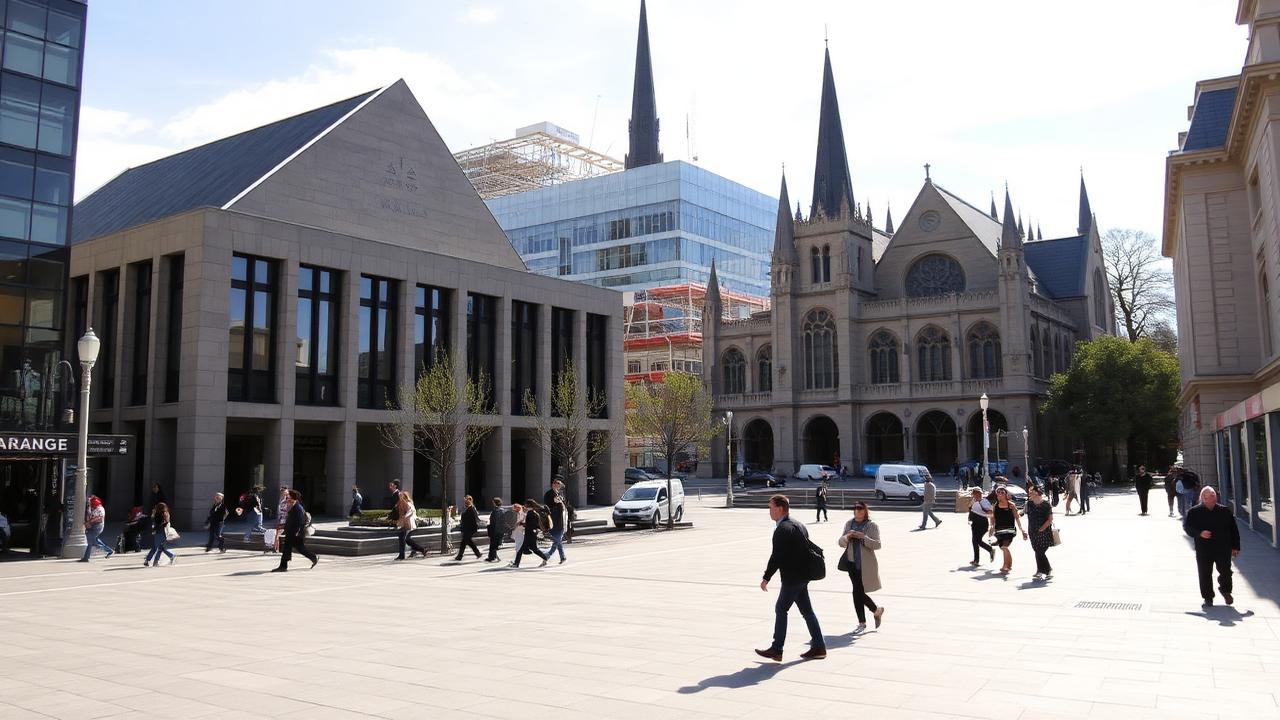
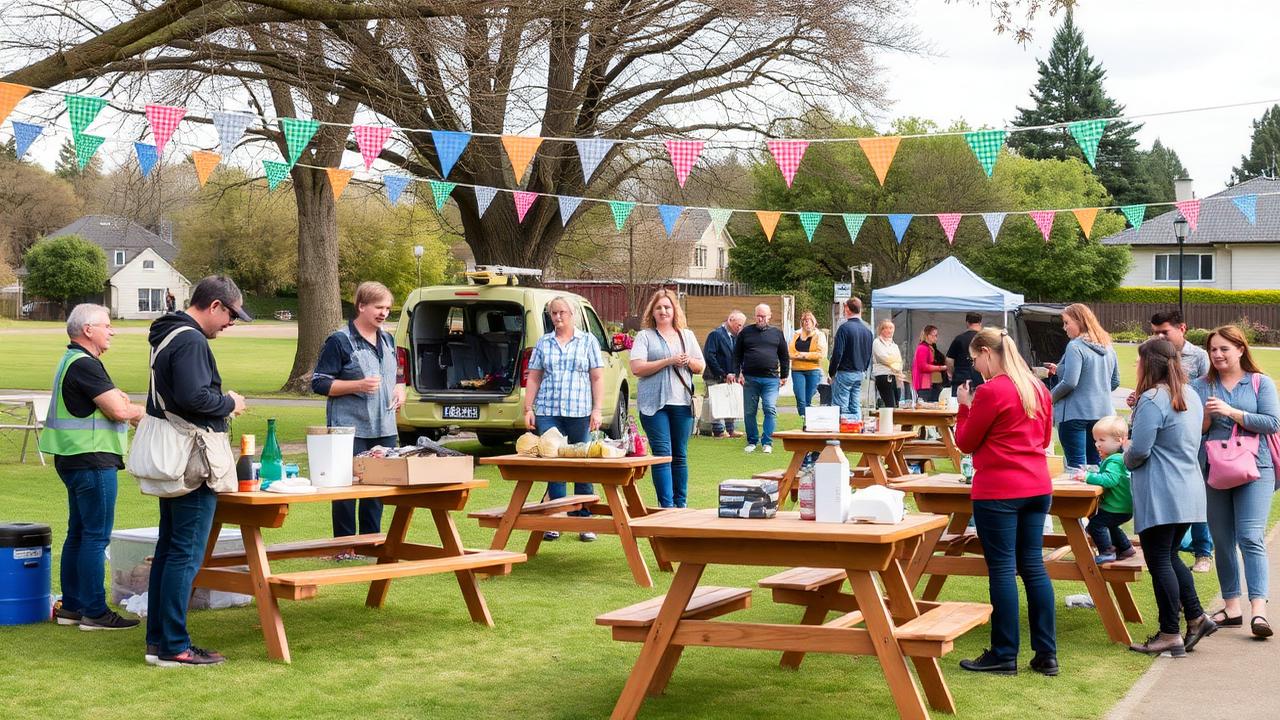
The Arts Centre setting makes the problem sharper. The precinct draws visitors, students, families, office workers and tourists, and the food trucks help give it everyday life between events and exhibitions. The Arts Centre's own food truck information promotes a line-up of operators selling tacos, wraps, raclette, Thai, Filipino, Korean and other food, with most trucks usually opening around late morning and closing mid-afternoon. That mix gives central Christchurch a casual food offer that is different from a permanent restaurant strip.
When those operators report theft, damage and abuse, the issue is not only crime. It is whether small vendors feel able to keep serving in public spaces. Kubica told the source reporter that people frequently asked for food when he first opened and that he had tried to help, but some encounters became increasingly aggressive when he could not keep giving food away. Boiser said conversations in the local hospitality community suggested concern was broader than one operator.
The Arts Centre has not framed the precinct as unsafe overall. Operations manager Daniel Stirland said the centre experienced occasional opportunistic incidents and took measures to reduce and mitigate them, while most of the precinct's visitors respected the site and its businesses. Police Inspector Paul Reeves confirmed three food trucks were broken into three months ago and said police took reports seriously, although no arrest followed that investigation.
That balance is important. Christchurch should not turn a few food truck incidents into a sweeping claim about the whole central city. The reported events do, however, show how thin the margin can be for small food operators. A damaged door, a broken till, a stolen knife or a threatening encounter can sit behind a simple closed sign that customers may never understand.
For the city, the practical response should be focused rather than dramatic: clear reporting pathways, lighting and surveillance where appropriate, fast repairs after damage, coordinated security with precinct managers, and support for operators who cannot absorb repeated losses. A healthy city centre needs small businesses that feel safe enough to take risks. If the people cooking and serving from Christchurch's food trucks are telling the city the pressure is becoming too much, that should be treated as a business issue as well as a policing issue.