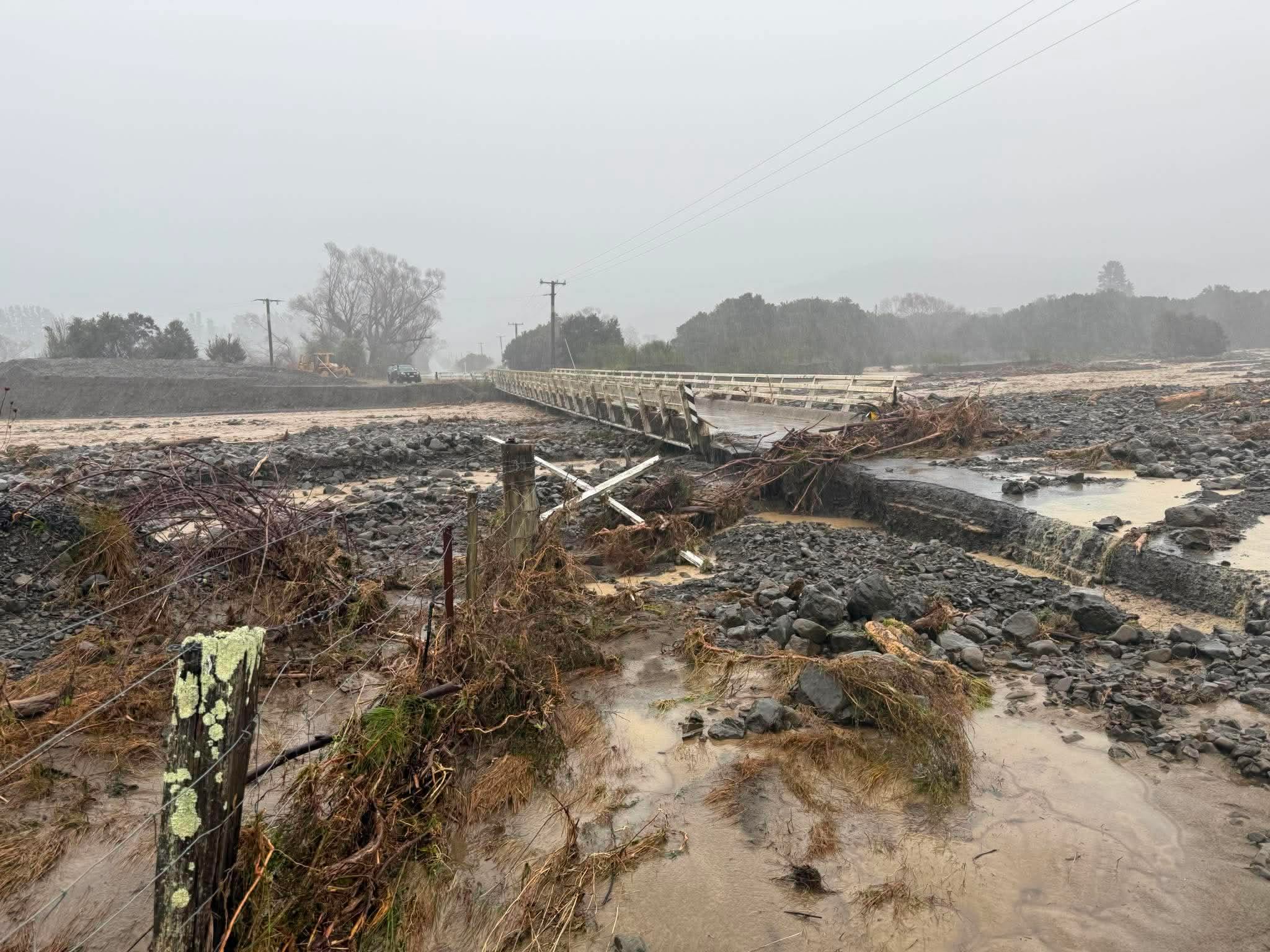
Kaikōura has moved out of a local state of emergency and into recovery, shifting the district's flood response from immediate danger management to repairs, checks and community support.
Kaikōura District Council said in its 4pm community update on Monday 13 July that the district had officially moved out of a state of emergency and transitioned into the recovery phase. The update described the change as positive news after heavy rain and flooding, but it also kept several practical warnings in place. Peketa remained under a temporary boil water notice, residents were urged to stay alert for signs of landslides, and the council continued directing people to official updates.
Local reporting also confirmed the transition on 13 July, placing it in the wider context of the past week's flooding, road disruption and emergency response. The move to recovery does not mean the event is over. It means the legal and operational focus changes. Emergency powers may ease, but councils, contractors, welfare teams and agencies still have to deal with damaged land, access issues, water systems, debris, insurance questions and the stress carried by affected households.
The distinction matters for Christchurch and wider Canterbury readers because Kaikōura is a key part of the South Island travel and freight corridor. Flooding and slips in the district do not only affect local residents. They affect holiday drivers, freight operators, tourism businesses, families travelling between Canterbury and Marlborough, and anyone relying on State Highway 1. Even when a headline says a state of emergency has lifted, drivers still need to check official road information before travelling.
Recovery can also be slower than the public expects. Floodwater may drop while ground remains unstable. A road may reopen and then need temporary controls. A water notice may continue after rain stops because treatment, testing and infrastructure checks take time. People returning to homes and businesses may face silt, damp materials, contaminated items and uncertainty about what can be safely cleaned or used.
The council's continuing boil water notice for Peketa is a reminder that flood recovery is partly an infrastructure story. Drinking-water systems are vulnerable during heavy rain and inundation because water sources, pipes, tanks and treatment systems can be affected by contamination or pressure changes. Boil notices are inconvenient, but they are also a basic public-health protection while testing and remediation continue.
The landslide warning is equally important. Kaikōura's landscape has steep slopes, coastal routes and a history of major land movement after storms and earthquakes. Heavy rain can leave slopes saturated, and slips can occur after the most dramatic weather has passed. That is why residents and visitors should treat fresh cracks, moving ground, blocked drains, unusual water flows and falling debris as warning signs rather than minor nuisances.
This update is a different story from yesterday's State Highway 1 reopening timeline. The highway matters, but today's recovery phase is broader. It is about the district moving from the response stage into the work of restoring services, checking safety and supporting households. That work is less visible than a road closure map, but it is what determines how quickly a community actually gets back to normal.
The practical advice remains unchanged: follow Kaikōura District Council and NZTA Waka Kotahi updates, do not drive through floodwater, respect road controls, conserve or boil water where instructed, and check on neighbours where it is safe. The emergency label has changed. The recovery work has just begun.