DOC's latest Canterbury bittern work is a technology story, but the point is simple: rangers are trying to see whether one of the region's rarest wetland birds can successfully nest without being pushed further into the dark.
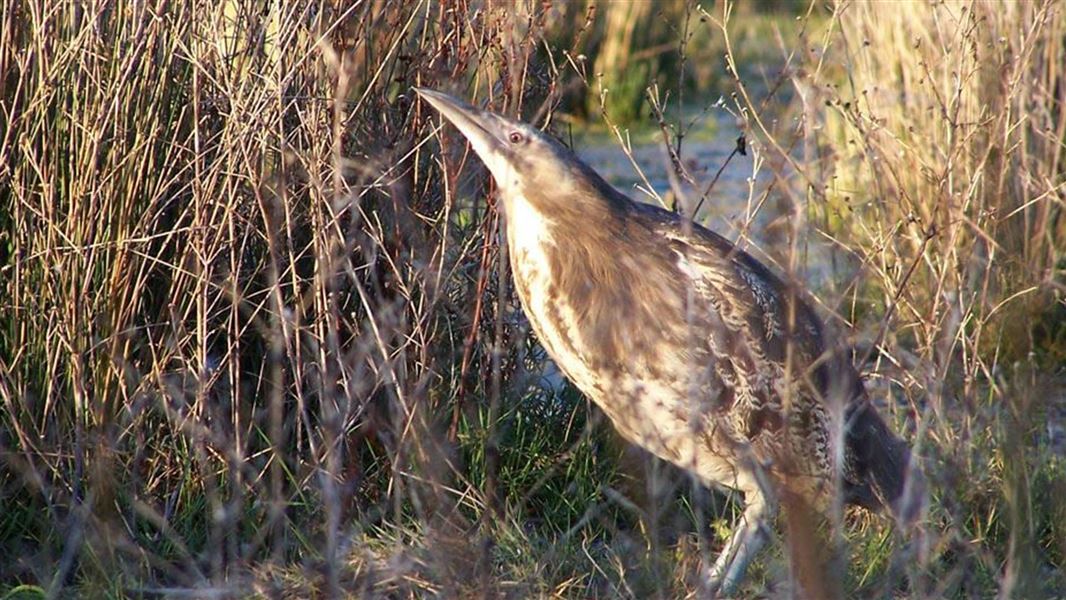
Bittern/matuku-hurepo have begun building nests and laying eggs in wetlands and lakeshores around the country. DOC says fewer than 1000 are estimated to remain nationwide and fewer than 50 in Canterbury, with local nesting concentrated around Te Waihora/Lake Ellesmere and coastal wetlands.
The new monitoring uses drone thermal imagery and high-resolution video to detect birds and nests that would be difficult to find on foot. DOC biodiversity ranger Allanah Purdie says the technology lets staff observe nesting activity closely while avoiding the disturbance that ground searches can cause.
That matters because bittern monitoring has often relied on male calls, leaving gaps around females, nests and chick survival. Drone operator Daniel Manchester, whose company Proform filmed the birds, says the tools can pinpoint small heat signatures and then provide detailed images in dense wetland habitat.
The Canterbury challenge is bigger than finding nests. DOC says bittern depend on small fish such as bullies and tuna/eels, while low, warm summer water can move prey away from lake margins and into deeper cool streams where the birds cannot hunt as easily.
For Christchurch and wider Canterbury, the story is another reminder that Te Waihora's health is not an abstract environmental measure. If the region wants future spring mornings to still carry the bittern's booming call, the work now is both technical and ecological: better monitoring, healthier wetlands and more food in the margins where chicks need it.