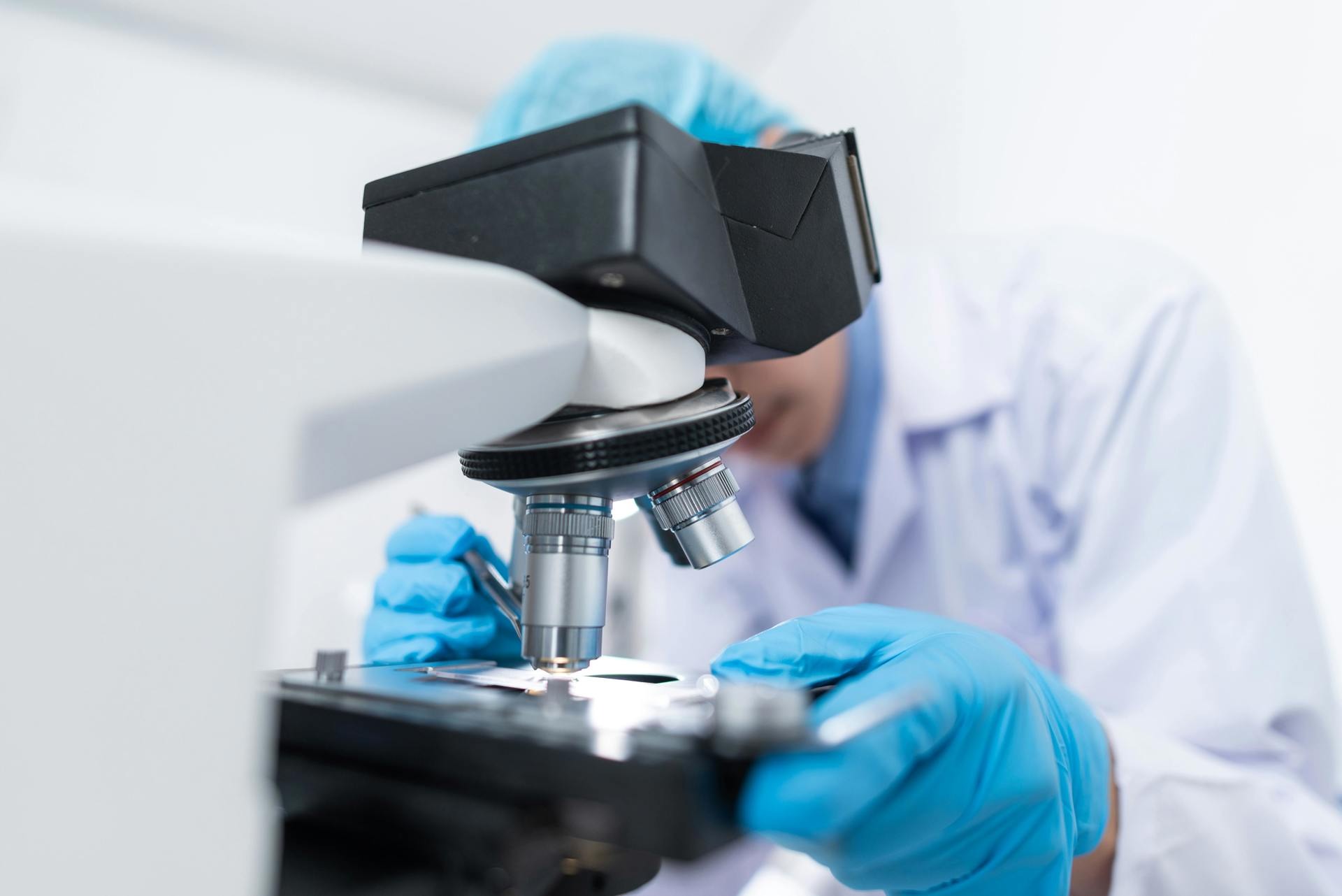
University of Canterbury students have started testing whether spent grain from breweries can be turned into nanocellulose, a high-value material with potential uses in packaging, cosmetics, wound dressings and other products.
The university announced on Tuesday that the student project, called Nanobrew, is focused on one of the brewing industry's biggest waste streams. UC says about 85 percent of brewing waste is spent grain and that the material spoils quickly, meaning it has to be collected the same day or it can become unusable. The university says breweries often sell it as low-value animal feed or send it to landfill, where it can contribute to emissions.
The student team's idea is to extract more value from that waste stream by converting it into nanocellulose. Nanocellulose is a tiny high-performance fibre being researched for a wide range of products, including biodegradable materials, oil-remediation products, tissue regeneration, wound dressings and cosmetics. UC researchers Dr Ali Nazmi and Dr Hossein Zadeh are already working with nanocellulose applications, according to the university's release.
For Christchurch and Canterbury, the story sits at the intersection of food production, research, sustainability and startup thinking. Brewing is a familiar industry, and spent grain is a practical problem rather than an abstract climate concept. If the waste has to be moved quickly, breweries face logistics pressure. If it has limited value as feed and cannot always be composted easily, it becomes a cost and an environmental issue. A higher-value material pathway could change that equation.
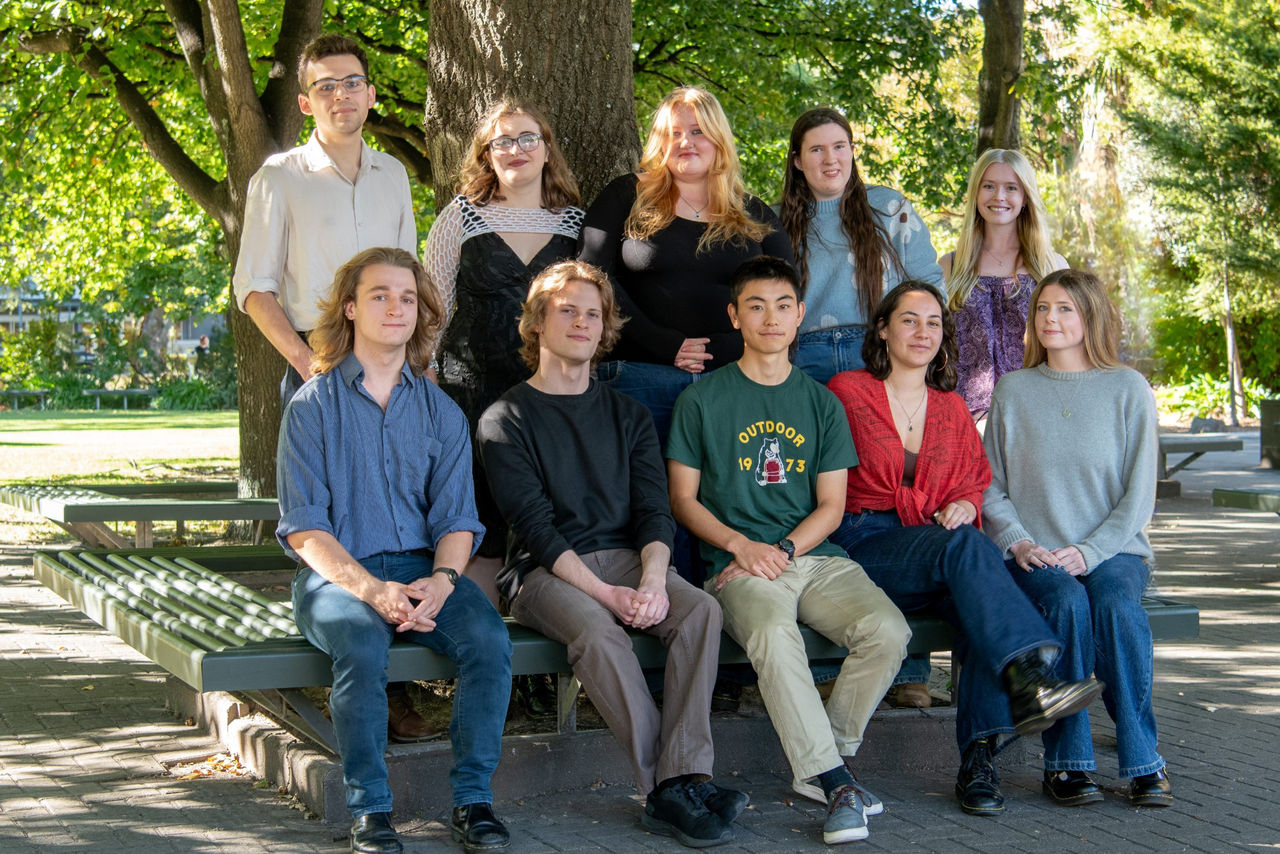
UC identified the team members in its release as Samuel Ramsay, Rosie McCormick, Bella Marsh, Thea-Rose Willcocks, Aislinn Prest, Charles Cadillac, JP Opperman, Kaito Ito, Jade Wilson and Grace Baragwanath. The group is working at undergraduate level, which is notable because the project is not only a lab exercise. It asks students to think about commercial value, waste handling, industrial partners and whether a material that sounds promising can be produced reliably.
Jade Wilson, a third-year biochemistry student and member of the Nanobrew team, explained through UC that timing is one of the brewing industry's problems: if spent grain is not collected quickly after brewing, it can no longer be used as animal feed. That makes the project more than a chemistry challenge. It has to fit the real timing and handling constraints of breweries.
The potential upside is why the project is drawing attention. UC says the global market for nanocellulose is valued in the billions of dollars because of the material's range of applications. A student project will not transform the brewing industry overnight, but it can test whether a local waste stream has enough technical and commercial promise to justify further work.
The project also gives Christchurch another example of research-led business development emerging from the university. Canterbury already has strong engineering, food, manufacturing and sustainability networks. A viable brewery-waste process would need input from several of those sectors, including product design, chemical processing, packaging, supply chains and commercialisation.
The most useful way to view Nanobrew is as an early experiment with a clear local problem. Breweries generate a bulky byproduct. Researchers and students see a high-value material possibility. Industry will need proof that the process is efficient, safe, scalable and economically sensible. If the lab work supports that next step, Christchurch could have a story that turns a low-value waste stream into a new circular-economy opportunity.