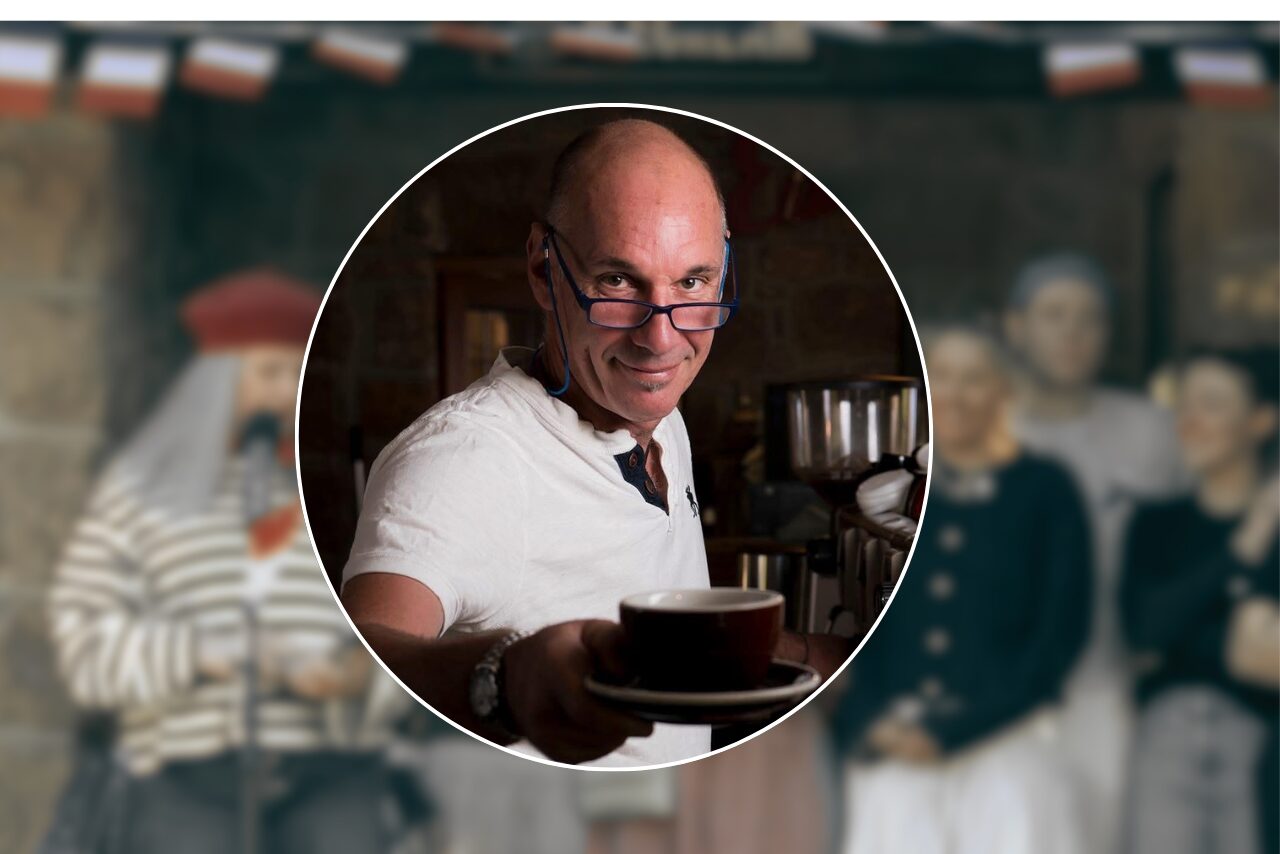
Sign of the Kiwi owner Eric Devos was farewelled in Christchurch on Tuesday at the Port Hills cafe and bar that became closely tied to his personality, hospitality and sense of community.
Local reporting said family, friends, staff and regular customers gathered at the historic cafe to remember Devos, who died last month. The service placed his life in the building where many Christchurch residents knew him: a hilltop stop for coffee, food, views, walkers, cyclists, visitors and regulars who treated the Sign of the Kiwi as more than a transaction.
This is today's founder and local-operator story for Christchurch Bulletin because Devos was not simply associated with a venue. He was the owner and public face of a revived Christchurch hospitality landmark. Earlier reporting said he became the sole guardian of the Sign of the Kiwi in 2017 when the restored heritage building welcomed people again after years of earthquake-related closure and repair. His family described how he made tables with friends, painted the counter and shaped the cafe around warmth, humour and everyday welcome.
The Sign of the Kiwi has unusual weight in Christchurch because it is both a hospitality business and a heritage place. It sits on the Port Hills at a point where local memory, recreation and tourism overlap. People stop there after walks, rides and drives. Families take visitors there to look over the city. The building itself carries history, but hospitality determines whether that history feels alive. Devos appears to have understood that distinction clearly.
His path to the cafe was also a local business story. According to the farewell report, Devos and his wife Kimberli moved to New Zealand in 2002. He became known as a French food operator delivering sandwiches to workplaces, later opened a bookings-only restaurant, and after the earthquakes collected a van from Wellington and turned it into a coffee cart. Those details show the practical, adaptive side of small hospitality: finding a format, building a customer base, and keeping work moving when the city changes around you.
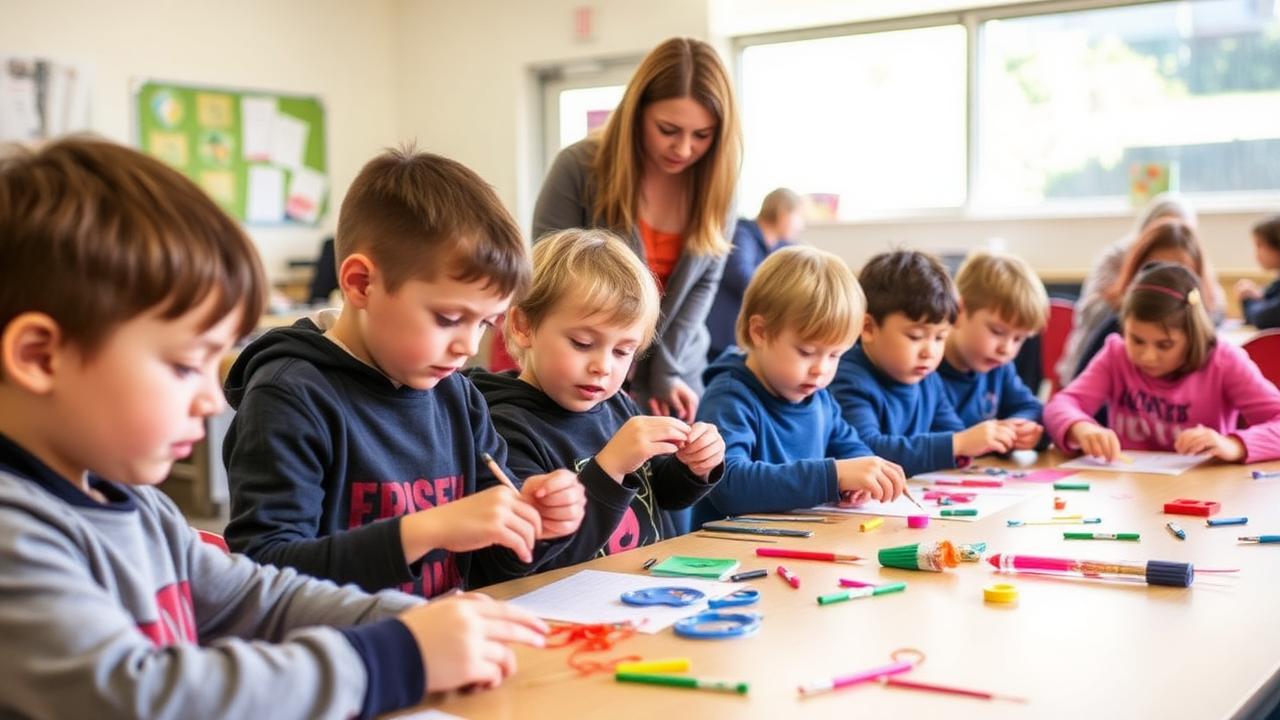
An earlier local report after Devos' death said he was known for generosity, including school visits where children could learn about his French background. It also said he banned disposable takeaway coffee cups at the cafe in 2017 and created a mug wall where regulars could leave their own cups. Those decisions help explain why Tuesday's farewell drew more than formal condolences. They describe an operator who put values into small systems customers could see.
The tributes from his family, as reported, focused on welcome, humour, food, language, nature and the way he made people feel at home. His daughter Madeleine described him as someone who connected with people regardless of background. His daughter Amelie spoke about his kindness and the French language they shared. The direct quotes are family grief, but the public meaning is broader: hospitality businesses often become community spaces because of the person setting the tone.
Christchurch has lost a distinctive local operator at a place that many residents feel belongs to the city. The future of the Sign of the Kiwi will be watched because venues like this are not easily replaced. They depend on location, heritage, food, staff and systems, but also on a host who gives the place its rhythm.
Devos' legacy is therefore not only the cafe continuing to serve customers. It is the idea that a small hospitality business can hold memory for a city. Every table, coffee, walker's stop and visitor photo at the Sign of the Kiwi now carries a little more of that story.