Christchurch Hospital has opened a dedicated discharge lounge as part of its 2026 winter response, aiming to free inpatient beds sooner for people arriving through acute care.
Local reporting on 13 July said the lounge provides eight recliner chairs in a supervised setting for inpatients who are medically ready to leave but are waiting on a final step before going home. That final step might be collection by family or whānau, a medication dose, transport timing or discharge documentation. The report says the space is staffed by a registered nurse and a health care assistant, with support from senior nursing staff.
The idea is simple but important. A hospital bed can remain occupied even after a patient no longer needs inpatient treatment. If that patient is waiting for a ride, paperwork or a last medication process, the bed is unavailable for someone in the Emergency Department or another acute part of the hospital. During winter, when flu, respiratory illness, falls and chronic-condition flare-ups add pressure, that blockage can ripple through the campus.
The discharge lounge is designed to move that final waiting period into a more appropriate space. Patients can sit in recliners, receive refreshments and light food, and remain under supervision while the last pieces of discharge are completed. Dedicated pick-up parking has also been allocated in the undercroft of Waipapa, which should make collection easier for families.
Acute Flow Programme Clinical Nurse Manager Stephanie Smith said the lounge had been identified as a priority within the programme because patients who were medically ready to leave often remained in inpatient beds while waiting on transport, final medications or paperwork. Her explanation points to a common hospital reality: not every capacity problem is solved by building a ward. Sometimes the bottleneck is the handover between hospital and home.
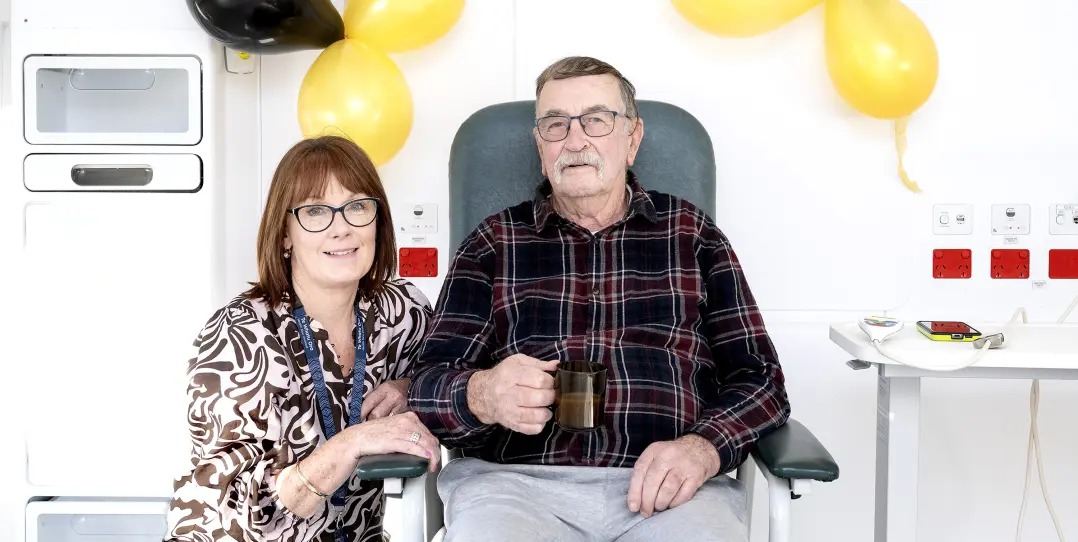
The first patients gave the new service a human face. One of them was Trevor, who celebrated his 80th birthday while waiting for his ride home. That detail matters because patient-flow language can sound bureaucratic. For a patient, discharge is not a process map. It is the moment they leave hospital and return to family, familiar food, their own bed and their normal routines.
The lounge is only one part of Christchurch Campus's winter plan. The local report also lists extended urgent care and primary care hours, additional beds at Burwood Hospital, a Transition to Home service for appropriate patients completing recovery in aged residential care, specialist telehealth access for aged residential care nurses, paramedics and rural clinicians, and point-of-care testing for Troponin and D-Dimer.
Those measures show that winter pressure is being addressed across several parts of the system, not only inside the hospital building. If aged residential care nurses can connect to specialists, some patients may avoid unnecessary transfers. If urgent care hours are extended, some people may be seen before hospital care becomes the default. If diagnostic testing is faster in the right setting, clinicians can make safer decisions earlier.
The public test will be whether the lounge and related initiatives reduce delays in practice. Patients and families will judge the change by whether beds turn over faster without making people feel pushed out before they are ready. Staff will judge it by whether the lounge reduces corridor pressure and emergency department waits. For Christchurch, the opening is a practical winter-health story: a small dedicated space may help the whole hospital move more safely.