State Highway 1 south of Kaikoura could reopen as early as Tuesday 14 July, giving North Canterbury travellers and freight operators a possible end point after days of flood damage, slips and long detours.
Chris Lynch Media reported on 12 July that crews were working to remove loose rock and vegetation from the site of a previous slip, while continuing repairs where floodwaters had eaten away parts of the highway. The report said the road had been closed between Cheviot and Kaikoura since severe flooding hit the region last week, and that Inland Route 70, also known as Inland Kaikoura Road, remained closed west of Kaikoura.
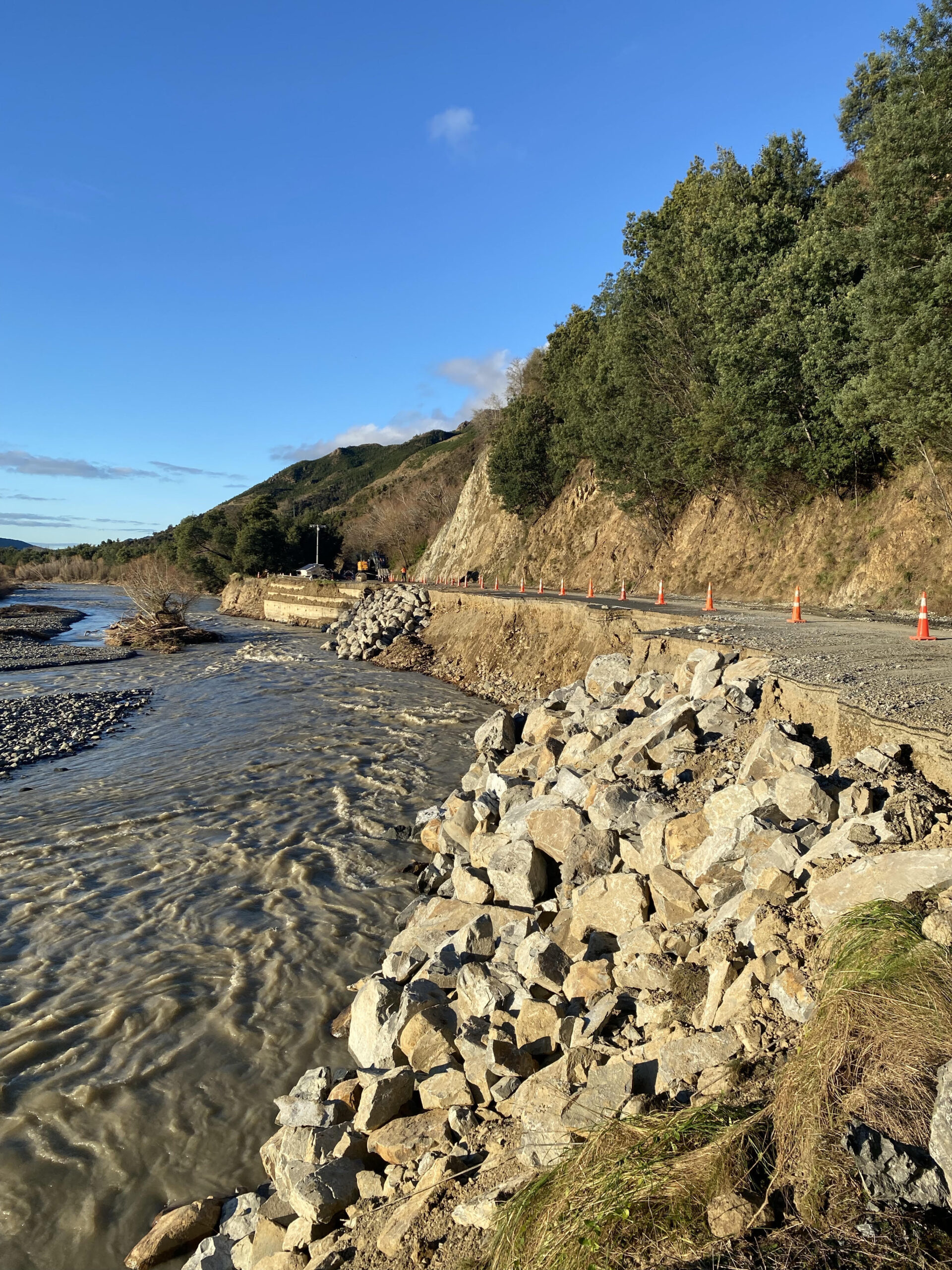
The New Zealand Transport Agency had already warned on 9 July that the scale of damage south of Kaikoura meant the highway was likely to stay closed until early the following week. NZTA said high river levels and flooding had removed sizeable chunks of SH1, requiring large quantities of rock to fill damaged areas. Geotechnical engineers were also assessing rockfall and hillside movement risk after heavy rain.
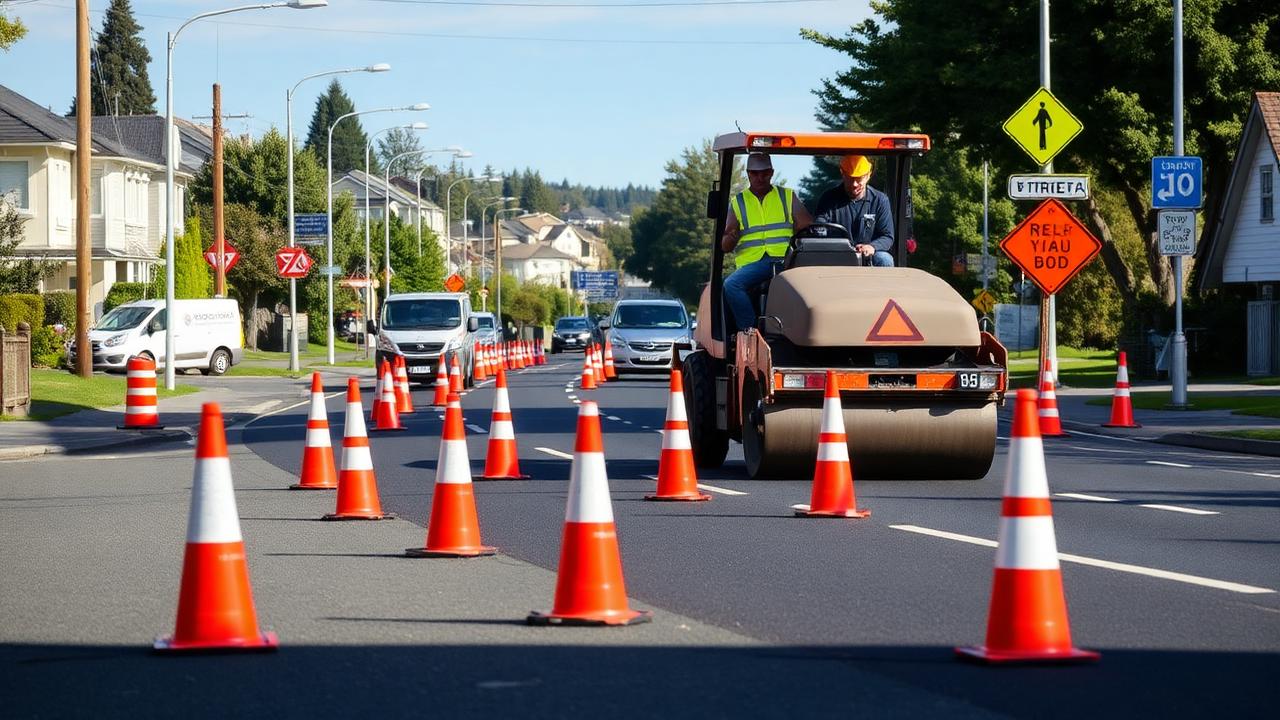
The Tuesday target is therefore not a simple reopening announcement. It is an earliest possible date, dependent on repair progress, slope safety and tomorrow's update. Even if the road opens, the first version is likely to be constrained. Chris Lynch Media reported that restrictions may include single-lane sections where road users have to stop on demand.
That matters because SH1 is not just a holiday route. It is the coastal spine linking Christchurch, North Canterbury, Kaikoura, Marlborough and the wider South Island freight network. When the road is closed between Cheviot and Kaikoura, the impact flows through visitor bookings, freight schedules, emergency planning, staff movement, fuel planning and household confidence. The official detour via State Highways 7, 65, 6 and 63 remains available, but it is a much longer inland trip and winter conditions make timing more important.
For Kaikoura, the closure has been part of a wider recovery picture after severe weather. Flooding, slips, power disruption and road damage do not disappear the moment a road cone is shifted. Businesses need predictable access for supplies and customers. Residents need confidence that school holiday travel and essential appointments can happen without unexpected hours added to the trip. Freight operators need to know whether the coastal route is genuinely usable or only partially restored.
The repair method also shows why reopening takes time. Floodwater can undercut or remove road shoulders, leaving a lane that looks present from a distance but cannot safely carry normal traffic. Placing rock, narrowing the corridor and controlling traffic are ways to restore access before the full repair is finished. Work in and around the Conway River is expected to continue once water levels drop enough.
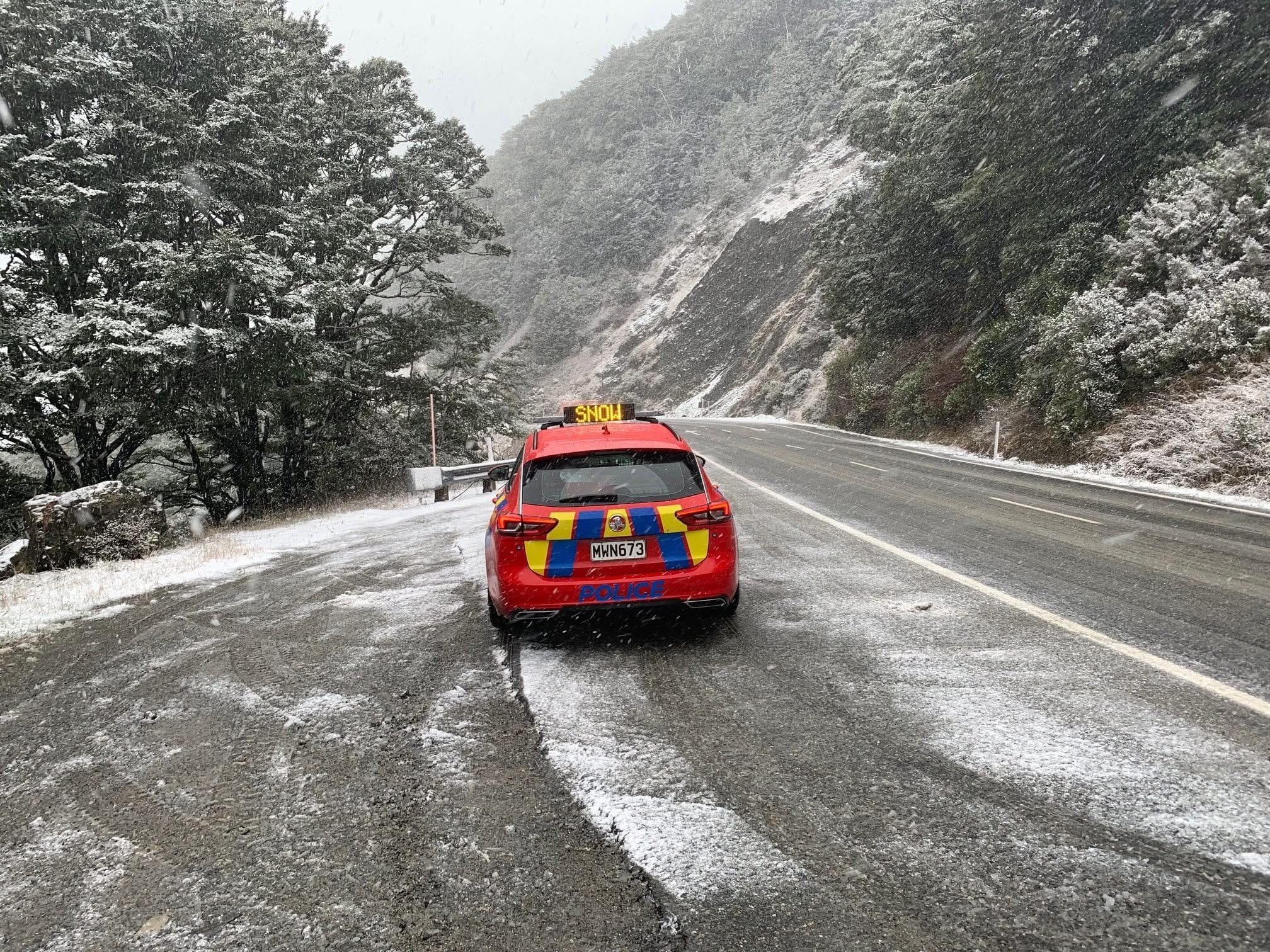
Drivers should treat any reopening as conditional, not as a return to normal. The practical advice is to check NZTA updates before leaving, allow more time, carry warm clothing and water, and avoid assuming that a route that was open in the morning will remain unchanged all day. Weather-damaged highways can shift quickly if rain, ice or slope movement returns.
The strongest sign is that crews are close enough to name Tuesday as a possible reopening date. The caution is that public safety still comes first. For Canterbury, the next official update will decide whether the coast road begins moving again or whether the region faces another stretch of detour travel.