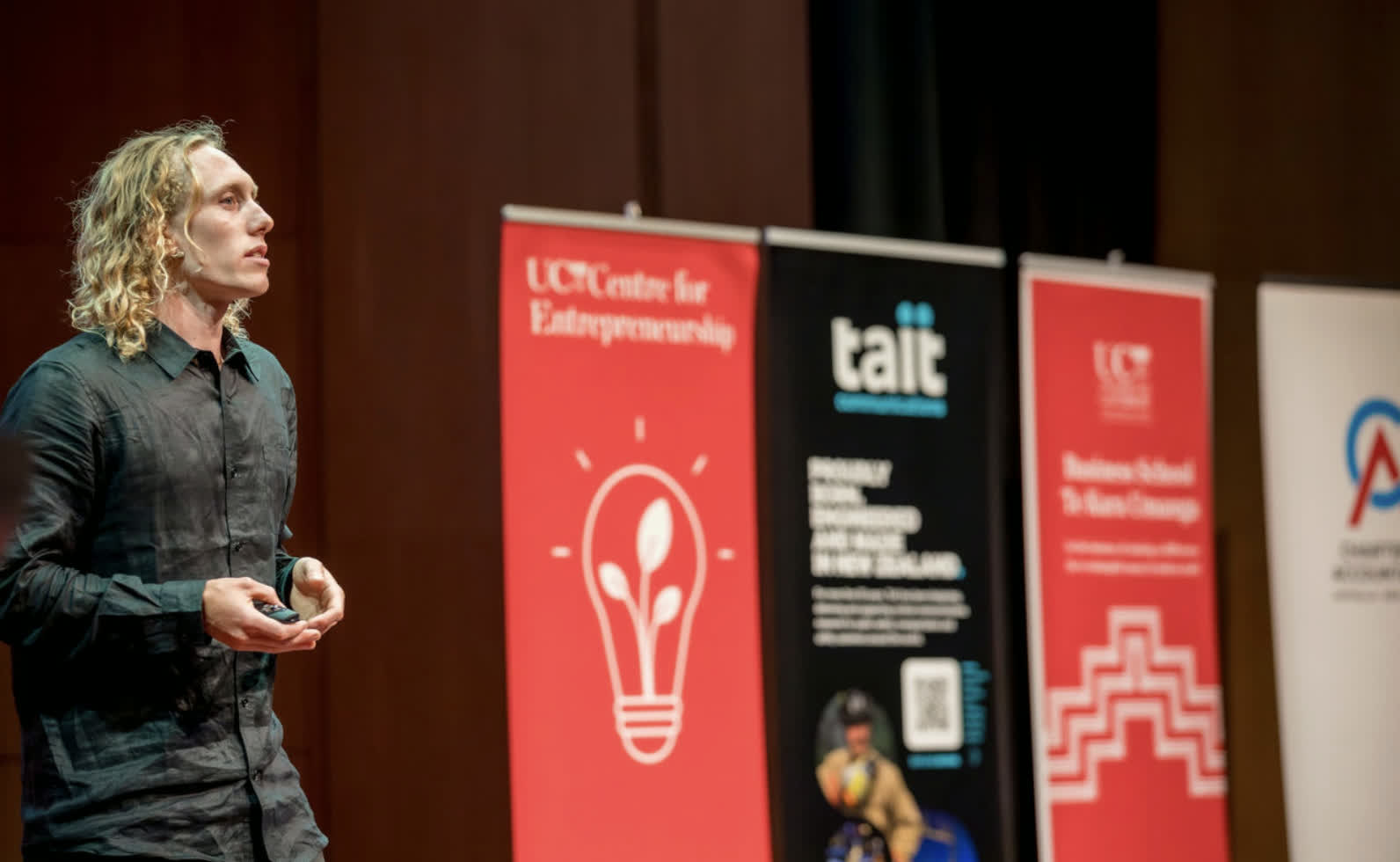
On a Wednesday evening in February, Christchurch's next generation of founders stepped onto a stage at The Piano with ideas ranging from seaweed packaging to AI and fintech.
The University of Canterbury's Summer Startup Showcase, held on February 4, 2026, brought together the top 10 ventures from the university's Summer Startup Programme. The public event invited attendees to hear live pitches, meet the founders, and see what kind of innovation was emerging from UC's student community.
For the students, it was more than a presentation night. It was a first real test of whether an idea could survive outside a classroom.
Startup showcases are often framed around winners, judges, and pitch decks. But the founder story begins earlier. It begins when a student decides that an idea is worth giving up summer hours for. It begins in the messy stage when a problem seems obvious, the solution is still forming, and the founder has to learn how to explain it to strangers.
This year's programme included ventures across impact-driven areas, with public material highlighting seaweed packaging, AI, and fintech as examples of the ideas being developed. That range says something important about Christchurch's startup pipeline. Young founders are not looking at one narrow category. They are exploring sustainability, technology, finance, and social impact at the same time.
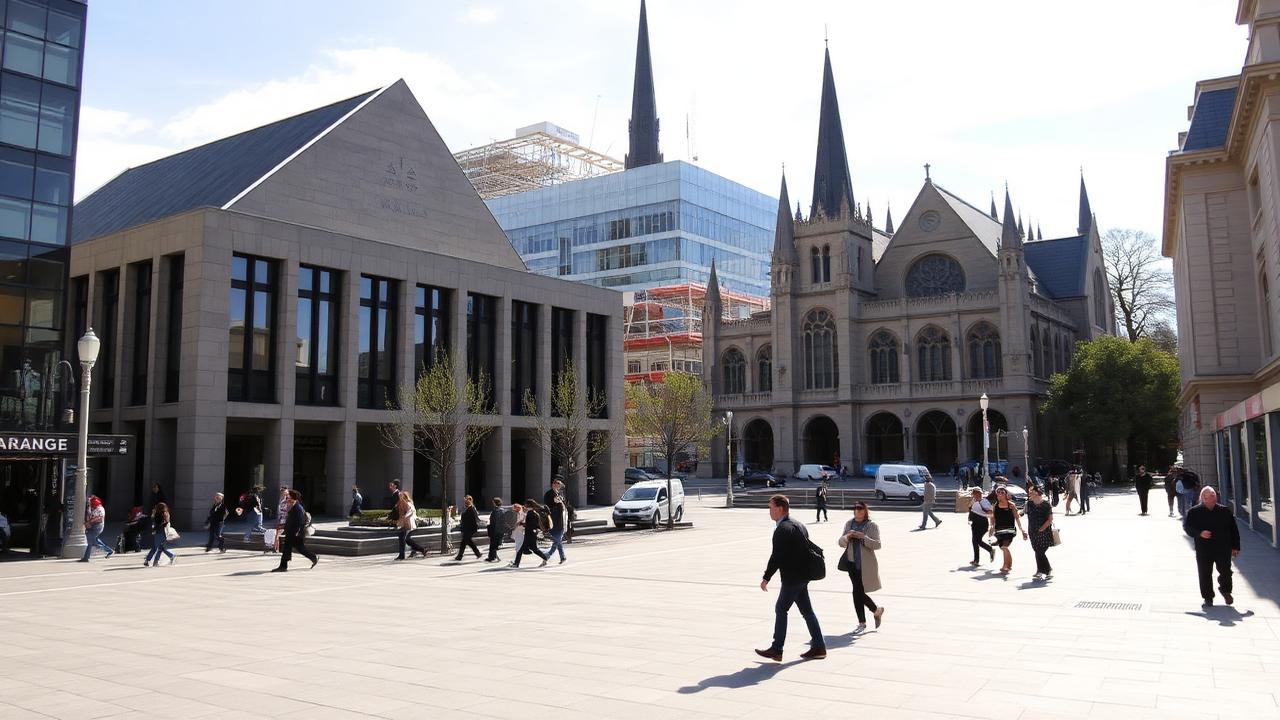
The location also matters. The Piano, in central Christchurch, gave the event a civic feel. These were not private student projects tucked away on campus. They were ideas being brought into the city, in front of business leaders, supporters, and potential future customers.
That public exposure is a crucial step for early founders. A startup idea changes when it is spoken aloud. Questions from judges and audience members can reveal weaknesses, sharpen the pitch, and show founders whether people understand the problem they are trying to solve.
Christchurch has been working hard to position itself as a city where ambitious businesses can grow without losing quality of life. Student entrepreneurship is part of that. If graduates can see a path to building a company in Christchurch, they are more likely to stay, hire locally, and add to the city's innovation base.
The University of Canterbury Centre for Entrepreneurship plays a key role in that pipeline. Its student startup programmes create a bridge between education and business-building, giving students a structured way to test ideas before they are expected to survive commercially.
Not every venture from a showcase will become a company. That is normal. The value is bigger than any single pitch. Each founder learns how to identify a market, speak to a customer, understand competition, and build confidence.
For Christchurch, the Summer Startup Showcase was a glimpse of what may come next. Somewhere among those student teams could be the founder of a future local employer, export business, social enterprise, or technology company.
The stage at The Piano was temporary. The founder mindset it encouraged may last much longer.