A Diamond Harbour golden retriever known across Canterbury therapy and school settings is recovering after specialist surgery for a rare jaw condition that had limited him for most of his life.
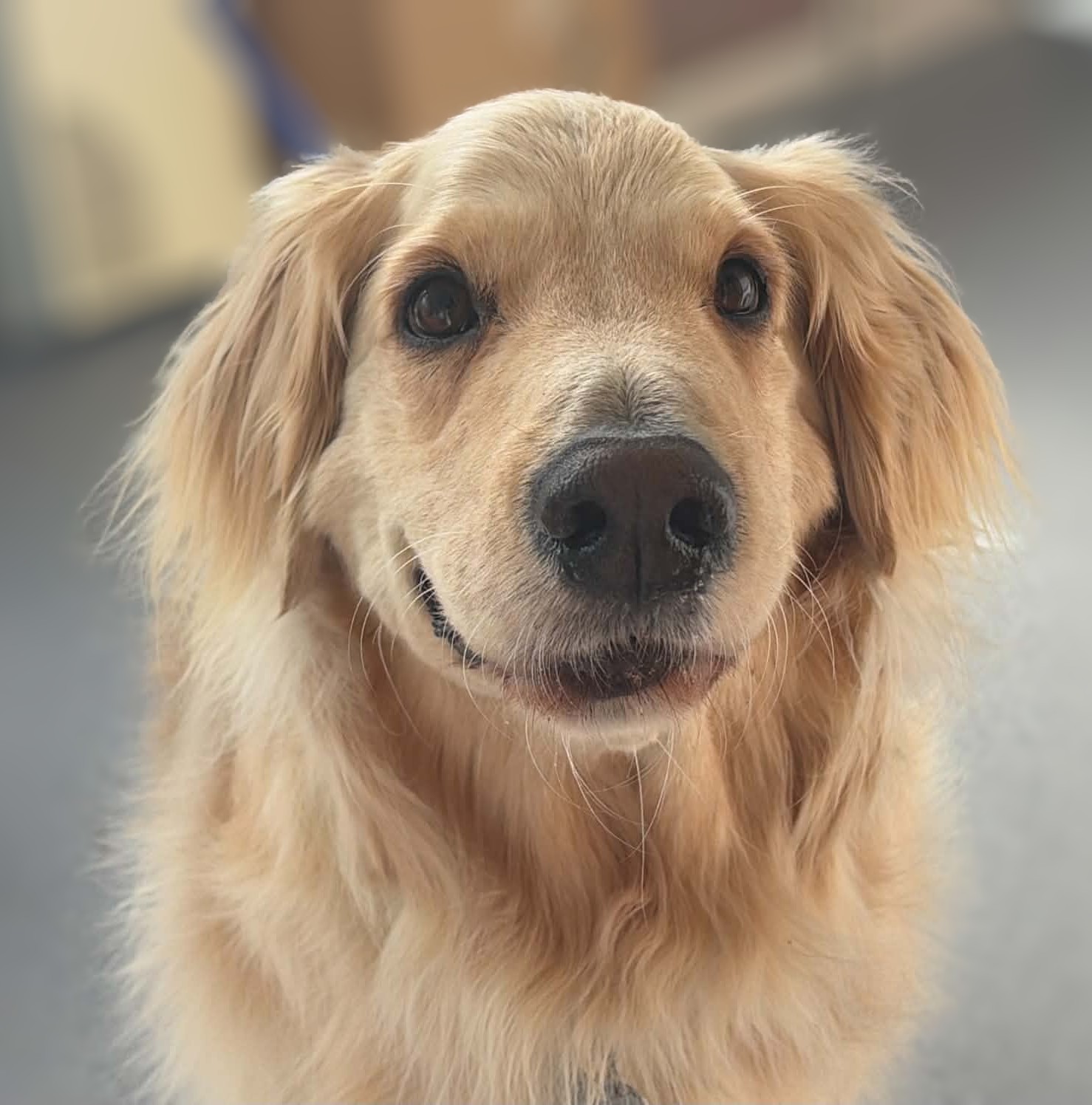
Mak, a five-year-old golden retriever, has lived with temporomandibular joint ankylosis, a condition that fused his jaw joint and left him unable to open his mouth properly. His owner, Kaye Jones, says the surgery has already made everyday life easier, including eating and opening his mouth wider than before.
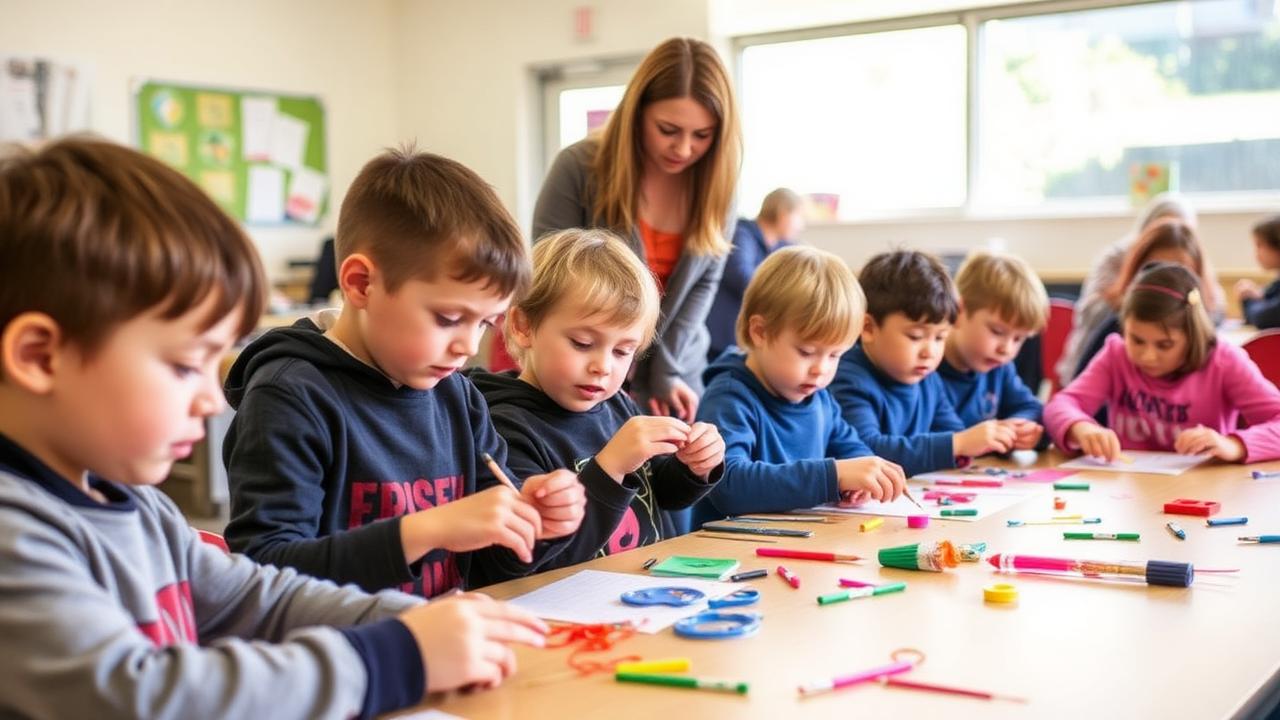
The story has drawn public attention because Mak is not simply a household pet. He has worked through St John's Therapy Pet Programme, Christchurch Airport's PAWS programme and as a school dog at Broadfield School near Rolleston. In those settings, his role has been to make stressful or unfamiliar environments feel calmer for people who need a softer presence.
That public-service role gives the surgery a wider community dimension. Mak has spent years offering comfort while quietly coping with his own physical limitations. Before the operation, even eating could take far longer than it should. A lower canine tooth had also created a painful opening between his mouth and nasal cavity, raising infection risk and making ordinary dental care difficult.
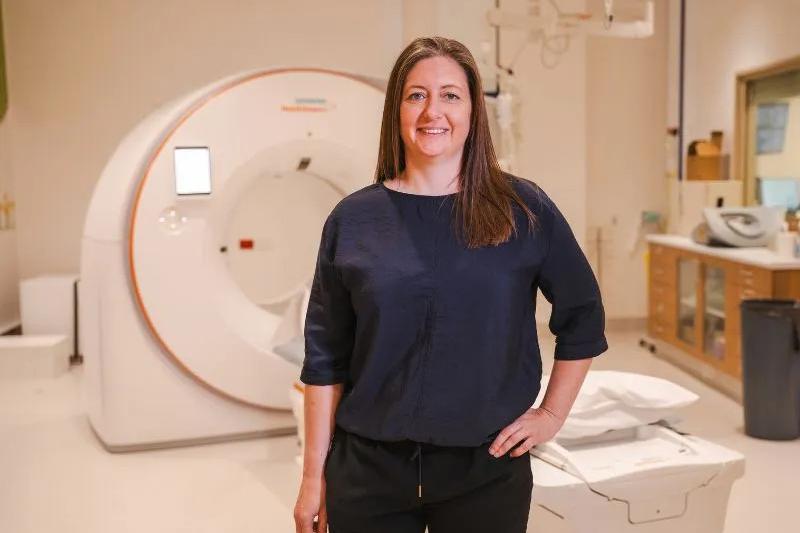
Specialist help came through Massey University Veterinary Hospital in Palmerston North, where the operation involved complex jaw work and international collaboration with expertise in the United States. The goal was not cosmetic. It was to restore movement, reduce pain and make future dental treatment possible.
Jones has described the early recovery as emotional, especially small moments most people would barely notice. Being able to hand-feed Mak and feel his tongue against her hand mattered because he had spent years unable to move his mouth normally.
There is still a recovery path ahead. Further dental work is expected once the jaw has healed enough, and any operation of this kind carries uncertainty. But the early signs are promising, with Mak resting back in his own environment and showing practical improvements already.
For Christchurch, the story is a reminder that community care often runs through quiet, ordinary relationships: a school dog settling a child, a therapy animal helping travellers, a grieving owner and companion walking through life together. Mak's wider smile is a medical milestone, but it is also a community story because so many people have already met the comfort behind it.