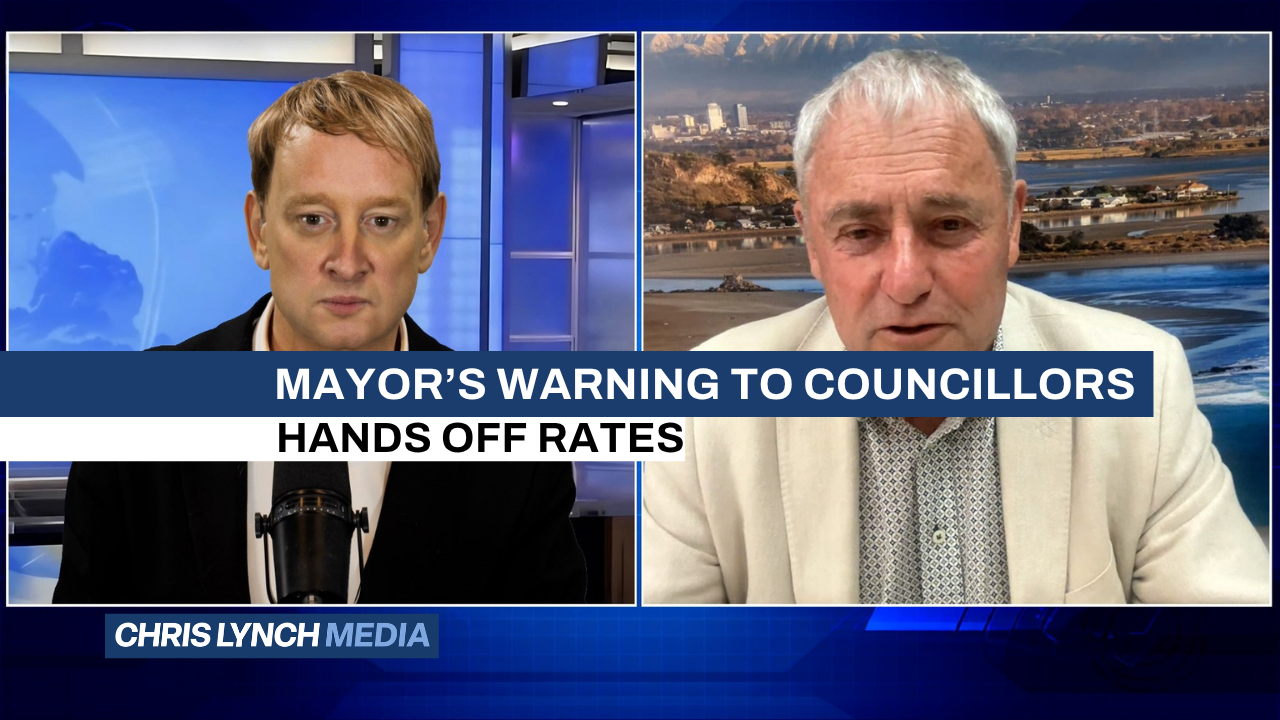
Christchurch's next Long Term Plan is turning into a test of political discipline as much as council budgeting, with Mayor Phil Mauger saying staff have found a path to lower staged rates rises without cutting services.
Mauger says the working targets for the first three years of the 2027/28 plan are 6 percent, then 5 percent, then 4 percent. The current year's average rates rise is 7.83 percent, so the new track would mark a clear attempt to slow the pressure on households and businesses.
The mayor's argument is that councillors set the targets and asked staff to find a way to meet them. Staff have now done that work, he says, and the next risk is elected members adding new projects or local spending requests that push the first year above the 6 percent mark.
That is where the story becomes more than a number. Christchurch residents hear rates debates every year, but the Long Term Plan is where trade-offs are supposed to become visible. If councillors want new spending in one area, Mauger is arguing they need to identify what comes out somewhere else.
The council has already spent years balancing rebuild-era expectations, infrastructure costs, climate resilience, facilities, transport projects and the everyday services residents notice most quickly when they slip. The promise of lower increases therefore comes with a credibility test: can the council keep services steady while refusing the extras that usually creep back into the budget?
The political backdrop is also national. Mauger has pointed to a proposed share of the international visitor levy as one way central government could ease local pressure, with Christchurch potentially receiving money tied to its share of visitor nights from July 2027. He says that funding would need to be spent on tourism, but it would still represent money the city does not currently have.
For ratepayers, the most important issue is not whether the mayor wins a soundbite over councillors. It is whether the final plan makes the cost of each choice understandable. Lower targets are meaningful only if residents can see what has been protected, what has been delayed, and what has been rejected.
The next phase will show whether the 6, 5 and 4 percent track is a genuine budget path or an opening position before the usual additions begin. Mauger has put the pressure back on the council table. The public will see the result in the plan that follows.