A Christchurch study that has followed more than a thousand people since birth is moving into a new phase: looking for signs of heart disease before people know they have it.
Cardiologist Dr Charlotte Greer is leading the work through the Christchurch Health and Development Study, which has tracked 1265 people born in Christchurch in 1977. Over nearly five decades, the study has gathered information across health, wellbeing, education, family life, finances and lived experience, making it one of the world's longest-running studies of human development.
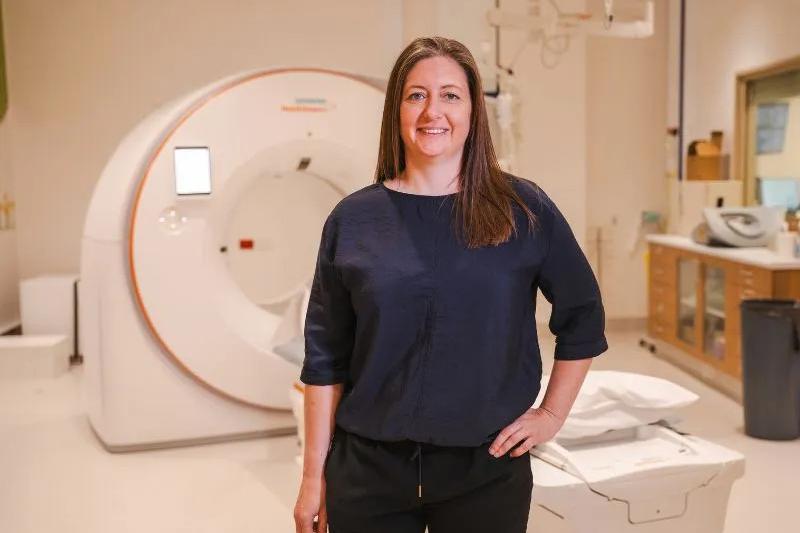
The latest phase turns that life-course record toward the heart. As participants approach 50, researchers will assess their cardiovascular health through questionnaires, echocardiograms, ECGs, blood tests and advanced imaging using Christchurch Hospital's photon-counting CT scanner, supported by Canterbury Radiology.
The important word is early. Researchers already know a great deal about people who have been diagnosed with heart disease. They know less about the quiet changes that may be happening in the wider population before symptoms or a serious event. That gap matters because many people who have a heart attack or develop heart failure have no obvious warning beforehand.
The Christchurch cohort gives researchers a rare opportunity to connect midlife heart images with decades of social, medical and personal data. The team wants to understand how common early abnormalities are, which markers best predict future disease and how factors such as stress, financial hardship and difficult childhood experiences may influence heart health decades later.
For the city, this is the kind of research story that can be easy to understate. It is not a new building, a new event or a one-day emergency. It is slow public science built on the trust of people who have kept showing up since infancy. The value comes from that patience: the ability to ask how a life lived in Christchurch over almost 50 years shows up inside the heart.
The study could also sharpen how risk is identified in everyday care. If advanced imaging, blood tests and long-term background data can point to people at elevated risk earlier, clinicians may have more time to intervene with treatment and lifestyle changes before a crisis.
That does not make the scan a crystal ball. Heart disease is shaped by genetics, environment, behaviour, access to care and plain chance. But the Christchurch study is powerful because it can connect those pieces better than most datasets. As the 1977 cohort reaches midlife, the city may help answer a question with national significance: what does future heart disease look like before it becomes visible?