For Ron Park, innovation in red meat is not only about flavour, exports, or premium branding. It is about dignity.
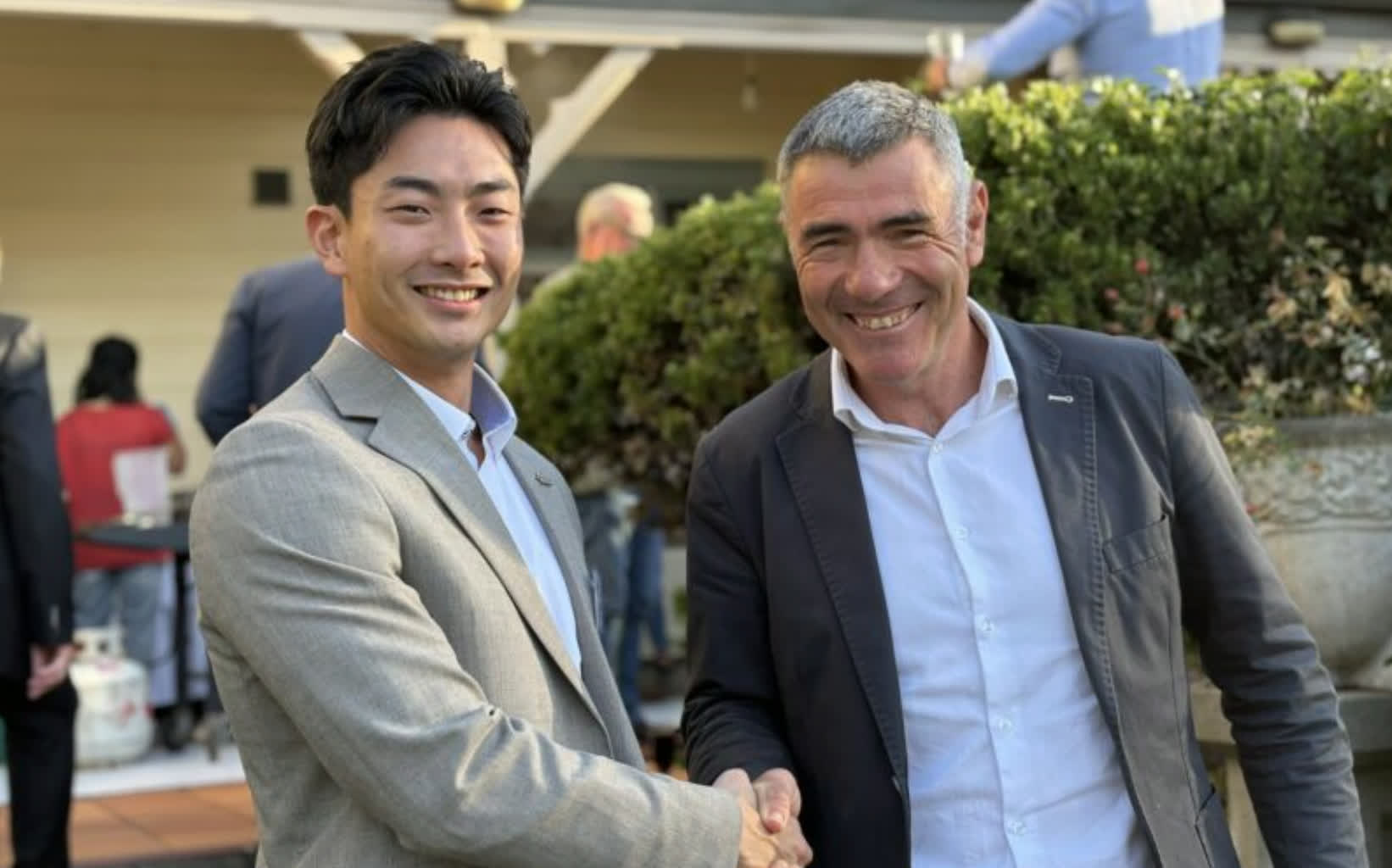
Park, the Canterbury-based founder and chief executive of Kōrure, was named the winner of the 2026 Meat Industry Association Dragon's Den competition for a red meat product range designed with an ultra-soft, "tongue-soft" texture for elderly or unwell people. The product, reported as Kiwi Tender, is designed to make lamb and beef easier to eat for people who may struggle with chewing or swallowing.
It is the kind of idea that sounds simple only after someone else has thought of it.
The competition challenged New Zealanders to develop practical and innovative ideas that could enhance export value and advance the country's red meat sector. Park's entry won because it looked at red meat through a different lens. Instead of focusing only on the high-end dining market, it identified a group of people often overlooked in food innovation: older people, hospital patients, and those recovering from illness.
For many people, losing the ability to comfortably eat familiar foods is more than a nutritional issue. Meals carry memory, culture, independence, and comfort. A product that allows someone to continue eating lamb or beef in a safer, softer form can have emotional value as well as commercial potential.
That is what gives Park's story its strength as a founder profile. It is not simply a tale of a Canterbury entrepreneur winning a competition. It is a story about a founder spotting a gap between industry capability and human need.
Kōrure is described as a Canterbury-based health supplements company, and Park's move into texture-modified red meat shows how founders often grow by crossing categories. Health, food, ageing, export value, and meat production can sound like separate industries. In this case, they meet in one product idea.
The Dragon's Den win also highlights a wider opportunity for Canterbury. The region has deep links to primary production, food processing, health science, and export markets. Founder-led companies that can connect those strengths may be well placed to create products that are both commercially attractive and socially useful.
Park's product is still early in its public journey, but the response from the competition gives it a platform. Winning the Meat Industry Association's 2026 challenge brought recognition, prize money, and industry attention.
For Christchurch and Canterbury's founder community, Park's story is a reminder that innovation does not always look like software. Sometimes it looks like taking a familiar product and redesigning it for people whose needs have been ignored.
In a country built on food exports, Ron Park's idea asks a quietly powerful question: what if the future of red meat is not just about selling more, but about serving people better?