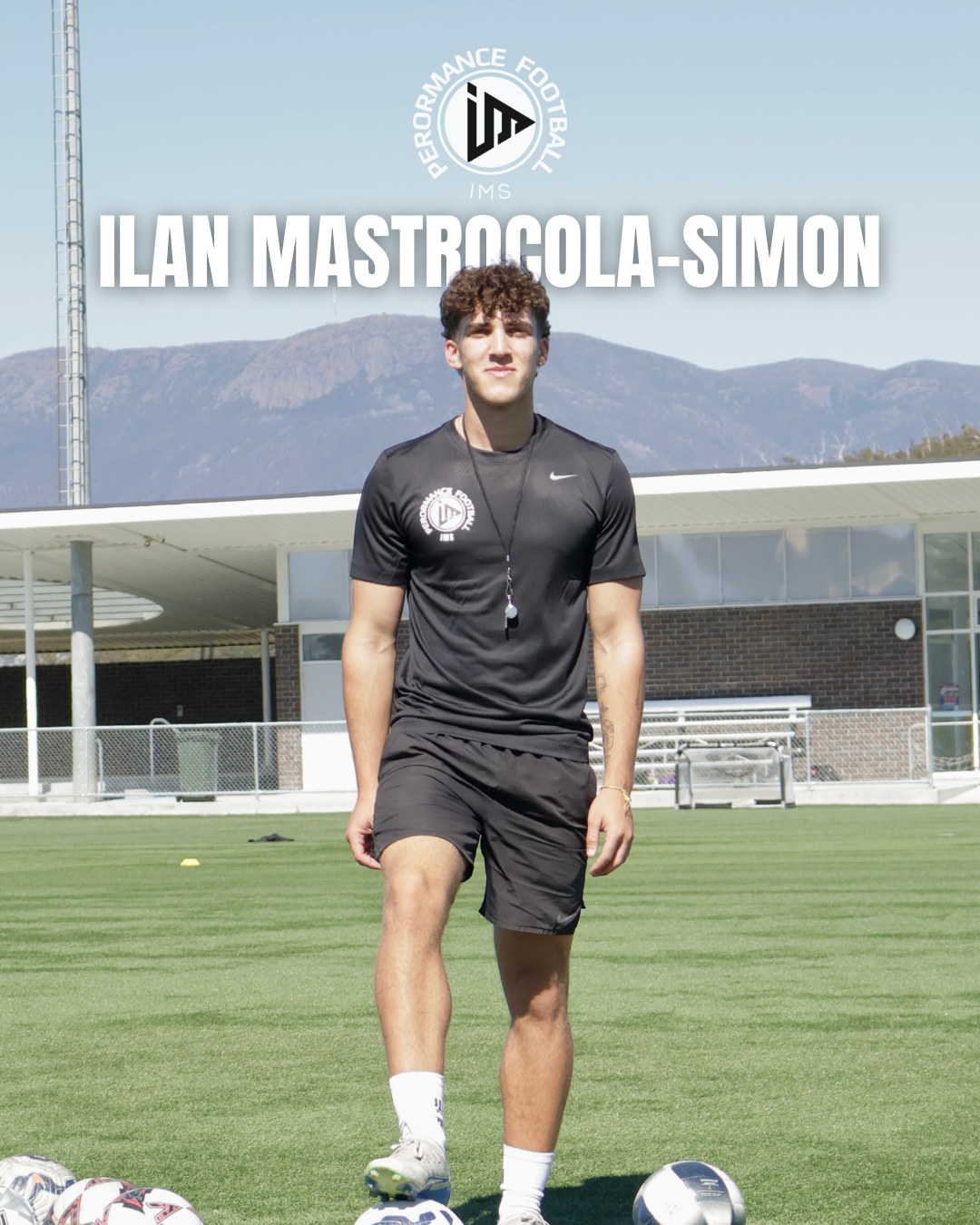
Ilan Mastrocola-Simon has turned a disrupted playing career into a new Christchurch football pathway, with IMS Performance Football now drawing hundreds of families into extra development sessions outside traditional club training.
Chris Lynch Media reported on Thursday that the 20-year-old founded IMS Performance Football after a serious heart infection changed the direction of his own sporting ambitions. The local report said Mastrocola-Simon had played and coached in professional and semi-professional environments across four continents before shifting focus toward player development in Canterbury. The IMS Performance Football website lists him as director and provides contact details for the programme.
The founder story is relevant because youth sport in Christchurch is often discussed through clubs, schools and representative teams. IMS sits in a different space: individual coaching, small-group training, school programmes, holiday camps and academy-style development designed to complement club football rather than replace it. According to the local report, the organisation is working with more than 300 families each week less than six months after launch, with more than 60 young footballers enrolled in its academy.
That demand points to a real gap in the local market. Club coaches must prepare teams for weekend fixtures, organise tactics, manage substitutions and support players across a wide range of abilities. Many families also want more individual attention, especially for players who are serious about academy, National League or professional pathways. Specialist programmes can help with technical repetition, decision-making, confidence and position-specific development, provided they work constructively alongside existing clubs.
Mastrocola-Simon's own background gives the programme its narrative. The Chris Lynch Media report said he had seen international football environments and believed Christchurch had strong talent but not always a clear individual pathway for young players to reach their potential. The story said IMS uses development plans shaped around each player's position, goals and potential route through the game.
The programme is also moving into schools. The local report listed Queenspark School, Knights Stream School, St Albans School, Westburn School, Beckenham Te Kura o Puroto and Cobham Intermediate among Christchurch schools reached by IMS programmes. That school presence matters because football development is not only about elite players. Younger children and intermediate-age players need quality coaching that builds skill, confidence and enjoyment before pressure narrows their options.
IMS is also preparing an international opportunity. Mastrocola-Simon told Chris Lynch Media the organisation's current focus includes taking an under-12 group to a tournament in Osaka, Japan. For young Christchurch players, that kind of trip can be significant. It exposes them to different playing styles, higher tempo games, travel discipline and the reality that football pathways extend well beyond local leagues.
The story should still be read carefully. Rapid growth in a private coaching programme is promising, but families will ultimately judge it by coaching quality, player welfare, affordability and whether it strengthens the wider football ecosystem. The best version of IMS would add skill and confidence without pulling young players away from their clubs or creating a pay-to-progress culture.
For now, Mastrocola-Simon's founder path is a strong local sport story. A health setback changed his own playing direction, but it also pushed him into building a service for other players. In a city with growing football interest and a large base of junior athletes, that makes IMS Performance Football a programme worth watching.