For BioOra Managing Director John Robson, Christchurch is not just a place to put a facility. It is part of the company's strategy.
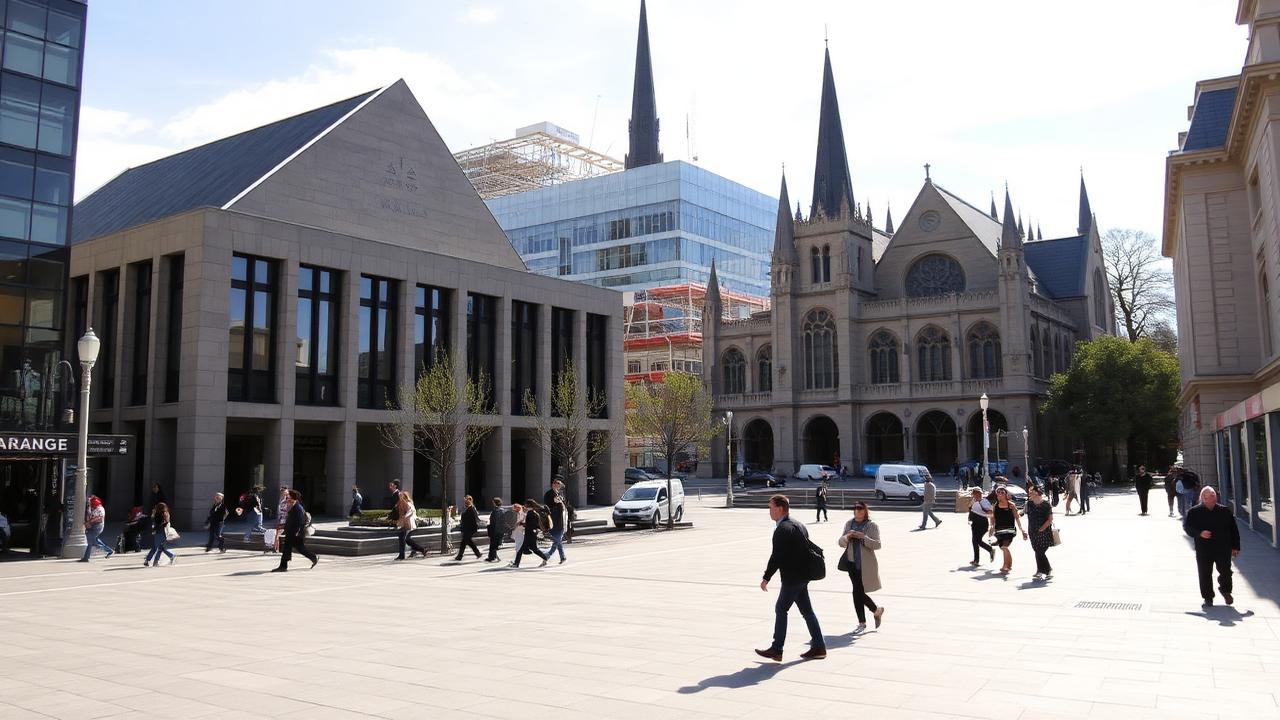
BioOra, a New Zealand biotechnology company developing next-generation CAR-T cell therapy, has been building its presence in Ōtautahi Christchurch, where the city's health precinct, hospital, research infrastructure, and economic development support have helped create the conditions for growth.
In January 2026, ChristchurchNZ profiled BioOra as an example of how the city helps world-class science scale. Robson said the biggest thing ChristchurchNZ did for the company was make it easy, describing the agency's role in connecting innovation with infrastructure.
The company reached another milestone in March 2026 with the site blessing of its new immunotherapy manufacturing facility in Christchurch's Te Papa Hauora Health Precinct. ChristchurchNZ said the development strengthened the city's role in cancer research and treatment, while later local coverage reported the facility was expected to generate significant economic impact and support treatment for hundreds of patients each year.
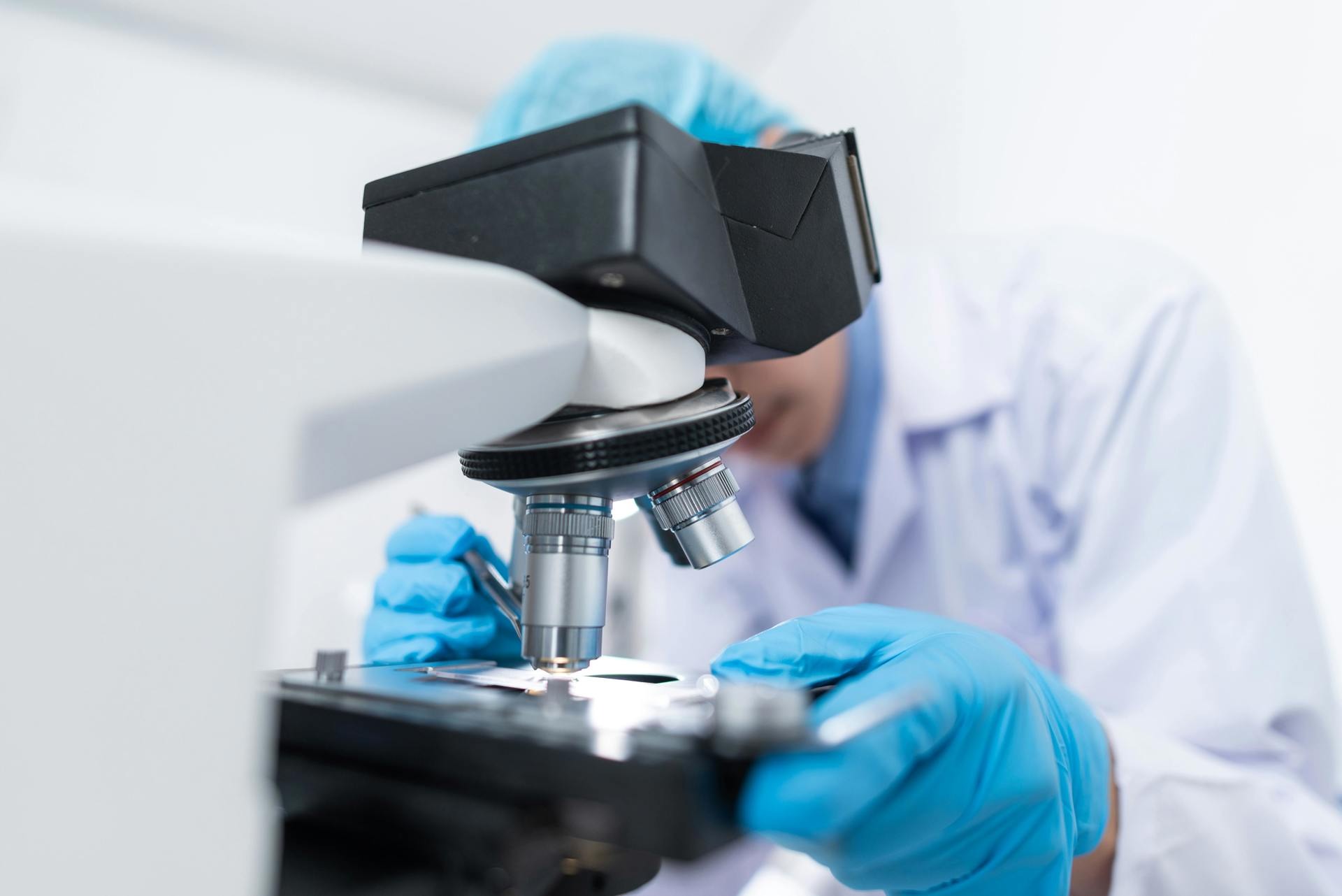
BioOra's work sits in one of the most complex areas of medicine. CAR-T cell therapy involves using a patient's own immune cells to help fight cancer. It is highly specialised, expensive, and logistically difficult. Building capability closer to patients could become an important part of improving access to advanced treatment in New Zealand.
That is what makes the BioOra story more than a business expansion. It is a founder and leadership story about turning advanced science into infrastructure.
Robson's role is especially interesting because life sciences companies require a different kind of leadership from many startups. The pathway is slower. The stakes are higher. The work must satisfy clinicians, regulators, investors, researchers, and patients. A founder or managing director in this space is not simply selling a product. They are coordinating trust across an entire ecosystem.
Christchurch appears to be central to that ecosystem. Robson has said Christchurch stood out in the site selection process because of its hospital, health precinct, and other facilities.
For the city, BioOra's growth is a signal. Christchurch's innovation economy is not limited to software companies, food ventures, or student startups. It is also competing in high-value health science, where local infrastructure can support work with national and global significance.
The story also has a human core. Behind every biotech facility are patients and families hoping for better options. For founders and science leaders, that creates a heavy responsibility. Progress is measured not only in funding rounds or jobs, but in whether a treatment can become more accessible to the people who need it.
BioOra's Christchurch facility is still part of a much larger journey, but its local presence already says something important: world-class science does not have to sit offshore. It can be built in Christchurch, connected to Christchurch institutions, and still aim far beyond the city.
For Robson and the BioOra team, the task now is to turn promise into delivery. For Christchurch, the opportunity is to prove that it can be a serious home for health science companies solving some of medicine's hardest problems.