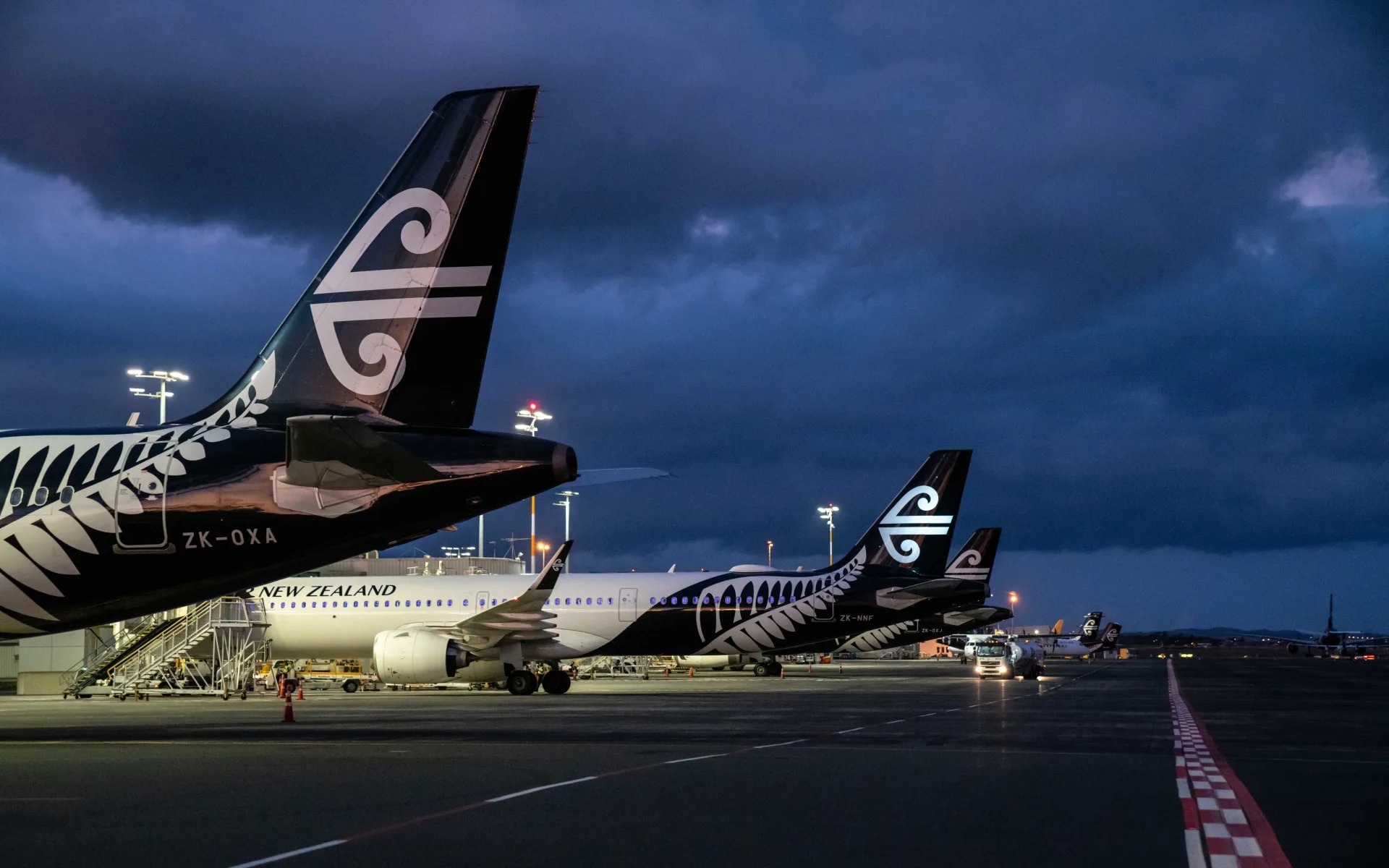
Air New Zealand's engineering consultation has become a Christchurch business issue after local reporting said maintenance roles in the city are among positions being considered as part of wider cost and workforce changes.
Chris Lynch Media reported on Friday that proposed engineering job cuts could extend beyond Christchurch, with roles in Nelson and Auckland also understood to be under review. The outlet had earlier reported that nine light-maintenance roles at the airline's Christchurch maintenance division could be cut through consultation. Its latest report said a source understood a further 12 Nelson engineering roles were proposed, while Auckland reductions were also being considered, although no clear number had been confirmed.
Air New Zealand confirmed to the outlet that consultation was under way, while saying it would not comment publicly on possible outcomes before communicating with affected employees. That distinction is important. A consultation is not the same as a final decision, and the number, location and nature of any confirmed job losses may change before the process ends. Staff, unions, families and local suppliers will still treat the proposal seriously because engineering jobs are skilled positions that are not easily replaced.
The Christchurch angle matters because aviation maintenance is part of the city's wider technical employment base. Airline engineering roles support apprenticeships, licensed trades, parts supply, airport operations and specialist capability that builds up over years. If roles are removed, the effect is not limited to individual pay packets. It can influence the depth of local expertise available for future maintenance work and the confidence of younger engineers considering a long-term aviation career in the South Island.
The reported review also sits inside a tougher airline financial setting. Air New Zealand's official interim results for the 2026 financial year recorded a pre-tax loss for the first half, reversing the profit reported in the comparable prior period. The airline has also pointed investors toward a difficult full-year outlook, with fuel and leased-engine maintenance costs placing pressure on earnings. Separate market announcements have referred to a strategy reset and a target of about $100 million in annualised benefits from the 2027 financial year.
Those financial pressures do not automatically justify any particular job cut, but they explain why the company is looking closely at costs. Airlines face a narrow set of levers when fuel, aircraft availability and maintenance costs move against them. They can adjust fares, capacity, capital spending, supplier contracts, network planning and staffing. Each option carries trade-offs. Cutting engineering roles may reduce near-term costs, but it can also create operational risk if demand returns or if specialised work has to be sourced elsewhere.
For workers, the immediate concern is fairness. Chris Lynch Media reported staff worries about selection processes and the effect on younger engineers. Any restructuring that touches skilled maintenance roles needs a transparent process because careers in aviation engineering depend on training history, licensing, supervised experience and future progression. If younger staff believe the pathway is narrowing, the industry could struggle to attract replacements later.
For Christchurch businesses, the story is a warning signal rather than a final economic verdict. The airport precinct remains an important employment area, and Air New Zealand remains a major national employer. But the consultation shows that even specialised local jobs are exposed to national airline finances and global cost pressure.
The next meaningful update will be the outcome of the consultation: how many roles are confirmed, where they are located, what support is offered to affected staff and whether the airline preserves enough maintenance capability in Christchurch for future growth. Until then, the most accurate reading is cautious. Jobs are at risk, the company has confirmed consultation, but final decisions have not been publicly announced.