Police say six people have been arrested after an operation targeting the flow of methamphetamine into Canterbury, with a senior figure in Christchurch's King Cobra chapter among those taken into custody.
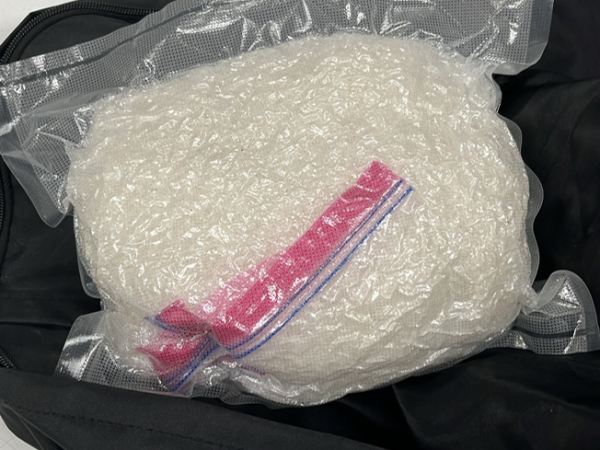
In an official media release, Police said Operation Shelby involved more than 10 search warrants across Christchurch over the last three days, including the gang's Addington pad. Investigators reported uncovering about one kilogram of methamphetamine and bricks of cash believed to total more than $100,000. Police also linked the arrests to a previously unreported airport intervention last month, when a Wellington woman flying into Christchurch was allegedly found with one kilogram of methamphetamine and a man waiting at the airport car park was allegedly holding about $104,000 in cash.
The confirmed details matter because the operation is being framed as a Canterbury supply-chain disruption, not only a single search warrant result. Police said the National Organised Crime Group led the work with support from specialist groups and Canterbury staff. Acting Crime Manager Detective Inspector Rebecca Cotton said the investigation had run for months and was designed to target a syndicate suspected of being a significant driver of Class A drugs into the district.
The charges reported by Police are serious. Those arrested this week face a range of allegations, including participating in an organised criminal group and conspiracy to supply methamphetamine. Those are not findings of guilt, and the public record should not go beyond the official allegations. But the maximum penalties cited by Police underline why the operation is being treated as a major organised-crime matter rather than routine drug enforcement.
For Christchurch residents, the local significance is the connection between large-scale drug supply and everyday harm. Methamphetamine distribution can sit behind theft, intimidation, debt pressure, family distress, workplace harm, emergency callouts and wider criminal activity. A kilogram-level seizure is not just a number in a media release. It indicates supply intended to move through communities, with downstream effects that can reach households, health services, police, courts and employers.
The airport detail also shows how regional drug markets can rely on movement between cities. Police allege the April airport arrests formed part of the same wider investigation. That matters for Canterbury because disruption at one point in the chain can reveal how drugs and cash are moved, who handles transport, who receives supply and how groups try to reduce visibility. It also explains why Police describe the latest warrants as part of a months-long operation rather than an isolated local raid.
There is a balance to hold in reporting this story. Police have made strong public claims about the impact of Operation Shelby, including that the results will put a significant dent in the syndicate's Christchurch operations. At the same time, the court process still has to test individual charges. The safest public position is to describe the operation, the arrests, the alleged offending and the seized items from the official release, without speculating about identities, guilt or wider links not stated by Police.
The next stage will be legal rather than operational. Residents will want to know whether charges are proven, whether assets are restrained, whether further arrests follow, and whether Police see a measurable reduction in Class A supply into Canterbury. For now, the confirmed picture is that Operation Shelby has produced multiple Christchurch arrests, a significant methamphetamine seizure and a public claim from Police that a local organised-crime supply line has been disrupted.