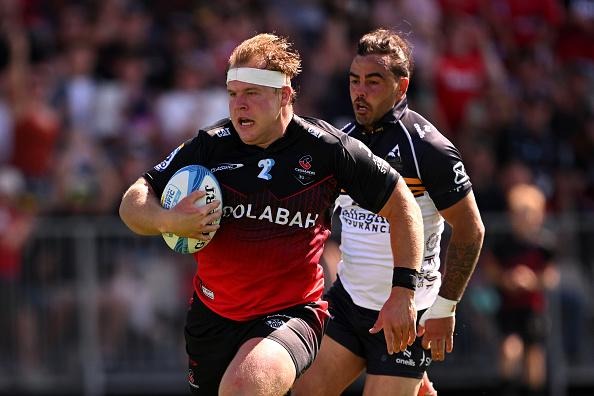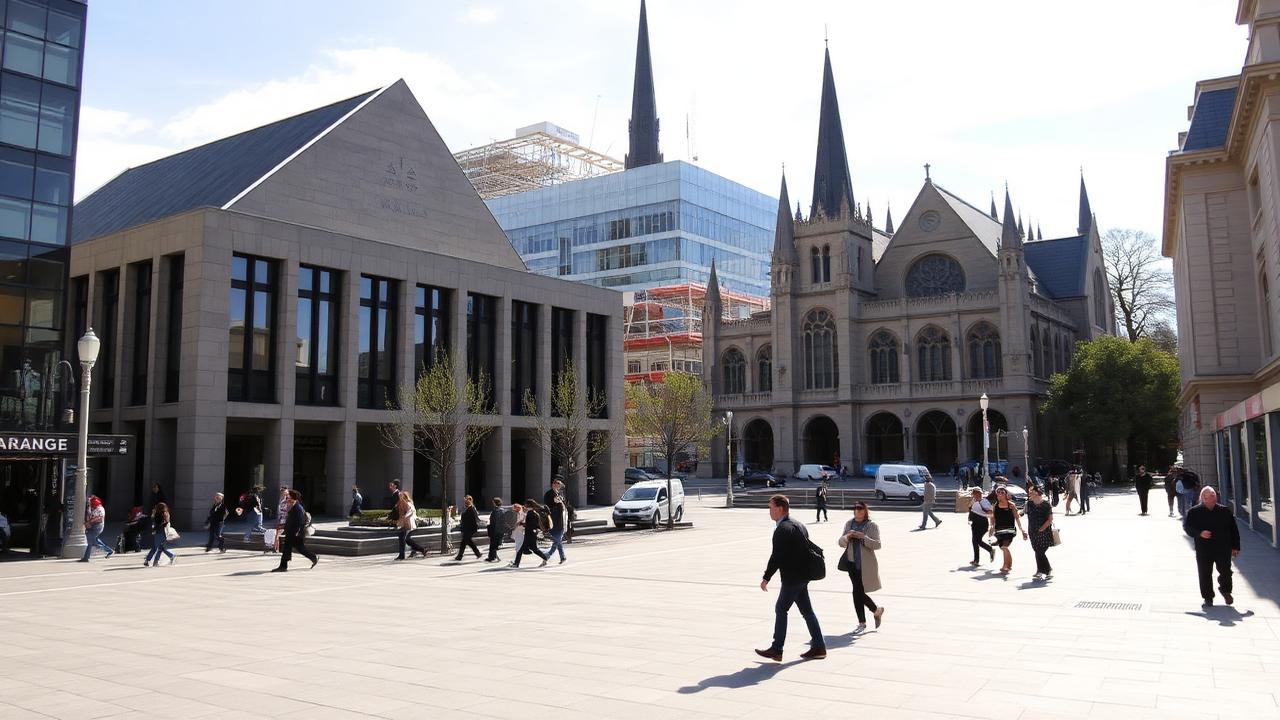
Canterbury Rugby's 2026 fixture calendar has put One NZ Stadium back into local sport planning, with the provincial men's and women's teams both set to use the city's new covered venue during the season.
The official Canterbury Rugby fixture page says the NPC and FPC teams are preparing for a season that will include home matches at One NZ Stadium. The published NPC draw lists Canterbury against Northland at the Christchurch venue on 20 August and Canterbury against Wellington there on 12 September, while the wider fixture page points supporters toward tickets and hospitality as the new matchday setting beds in.
For Christchurch sport, the draw matters because it shifts Te Kaha from opening-year landmark into routine sporting infrastructure. The city has already seen the stadium used for major rugby and event moments, but provincial rugby is a different test. It asks whether the venue can support regular local attendance, family routines, club connections, food and beverage operations, transport habits and the kind of crowd experience that makes people come back several times in a season.
Canterbury Rugby's challenge is partly emotional. Rugby in the region carries a long history of suburban clubs, school pathways, provincial pride and professional success through the Crusaders. A new stadium gives the province a modern stage, but it also has to feel like home rather than only a large event shell. That feeling is built through repeated matchdays, visible local players, accessible tickets, clear transport, good sightlines and the ability for supporters to make the venue part of their winter calendar.
The venue has a wider public stake because Christchurch ratepayers have lived with years of debate, construction and cost around the project. Christchurch City Council describes One NZ Stadium at Te Kaha as a new covered stadium built to host sport, concerts and events, with construction beginning in April 2022 and the official opening in March 2026. Now the public will increasingly judge it by use, not promise. Provincial rugby is one of the regular-use tests that can show whether the city gains value beyond occasional headline events.
The Northland and Wellington fixtures give supporters concrete dates to plan around. Northland in August offers an early-season home marker, while Wellington in September is likely to carry stronger competitive and crowd interest as the season develops. If Canterbury performs well, home dates at the stadium can become part of a larger push for momentum, membership, merchandise and local pride.
There is also a pathway angle. Canterbury Rugby's draws and results pages sit alongside club and sub-union information, reminding supporters that provincial games are connected to the broader local rugby system. Young players from Christchurch, Selwyn, Waimakariri, Banks Peninsula and North Canterbury need visible stages to aim for. Seeing Canterbury teams run out at the city's new stadium can help connect junior and club rugby with the professional and representative end of the sport.
The practical question is attendance. A large venue can make a modest crowd look thin, especially for provincial fixtures competing with work, family commitments, streaming and winter weather. Canterbury Rugby will need to make the experience easy and worthwhile, from ticket purchase to transport home. If it does, One NZ Stadium can become more than the site of major one-off tests. It can become a regular Canterbury rugby home where local supporters build new habits around an old provincial identity.