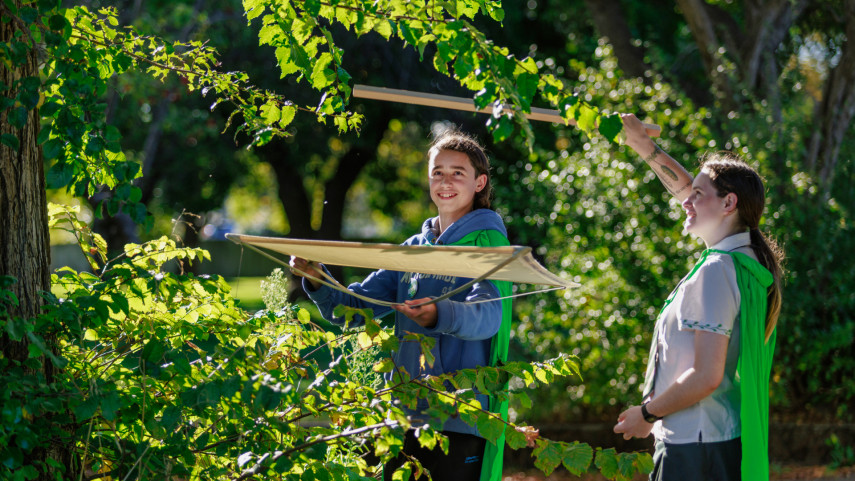
Christchurch City Council is calling for young residents to put forward climate project ideas, with grants of up to $8,500 available through the Youth Climate Action Fund.
Newsline reported on Monday that the council wants expressions of interest from local people aged 15 to 24 who are keen to lead a climate project in Christchurch. The fund is part of Bloomberg Philanthropies' global Youth Climate Action Fund, which supports youth-led climate action in 300 cities around the world, including Christchurch.
The council's call is deliberately broad. It says projects could focus on reducing waste, restoring nature, encouraging sustainable transport, or helping communities understand and prepare for climate change. That breadth is useful because climate action at a city level is not one problem. It includes emissions, transport habits, water, tree cover, waste systems, household preparedness and the practical ability of neighbourhoods to respond to heat, storms and disruption.
The age range also matters. People aged 15 to 24 are often described in climate policy as future stakeholders, but this funding round treats them as current organisers. A grant of up to $8,500 is not enough to build major infrastructure, but it can fund a serious local project: materials, workshops, planting, small equipment, communications, venue costs, training, data collection or a pilot that proves a bigger idea.
For schools, youth groups, student organisations and informal community teams, the opportunity is to turn concern into a defined project with a budget, timeline and measurable local benefit. The strongest ideas are likely to be specific. A broad slogan about climate change will be harder to assess than a proposal to reduce waste at a regular event, restore a defined local area, run a neighbourhood preparedness programme or help a community shift a practical transport habit.
The fund also gives the council a way to hear from young people outside formal consultation channels. Council submissions and long policy documents can feel remote to teenagers and young adults. A project fund lowers the barrier by asking a more direct question: what do you want to do, where would it happen, who would it help and what support do you need?
There will still be accountability. Public money needs clear decision-making, and applicants should expect to explain how their project will be delivered and how success will be shown. That is not a reason to avoid applying. It is a useful discipline, especially for young organisers who may later seek larger grants, sponsorship or council partnerships.
Christchurch has already had years of practical lessons about resilience, recovery and community action. The earthquakes, flooding events, heat, storms and transport debates have all shown that city systems are experienced locally. Climate projects that work at street, school, park or neighbourhood level can make those systems more visible and more manageable.
The immediate next step is for interested young people to read the council's Youth Climate Action Fund details and prepare an expression of interest. The opportunity is current, local and practical: a chance for Christchurch youth to test ideas that make their own city better prepared, less wasteful and more resilient.