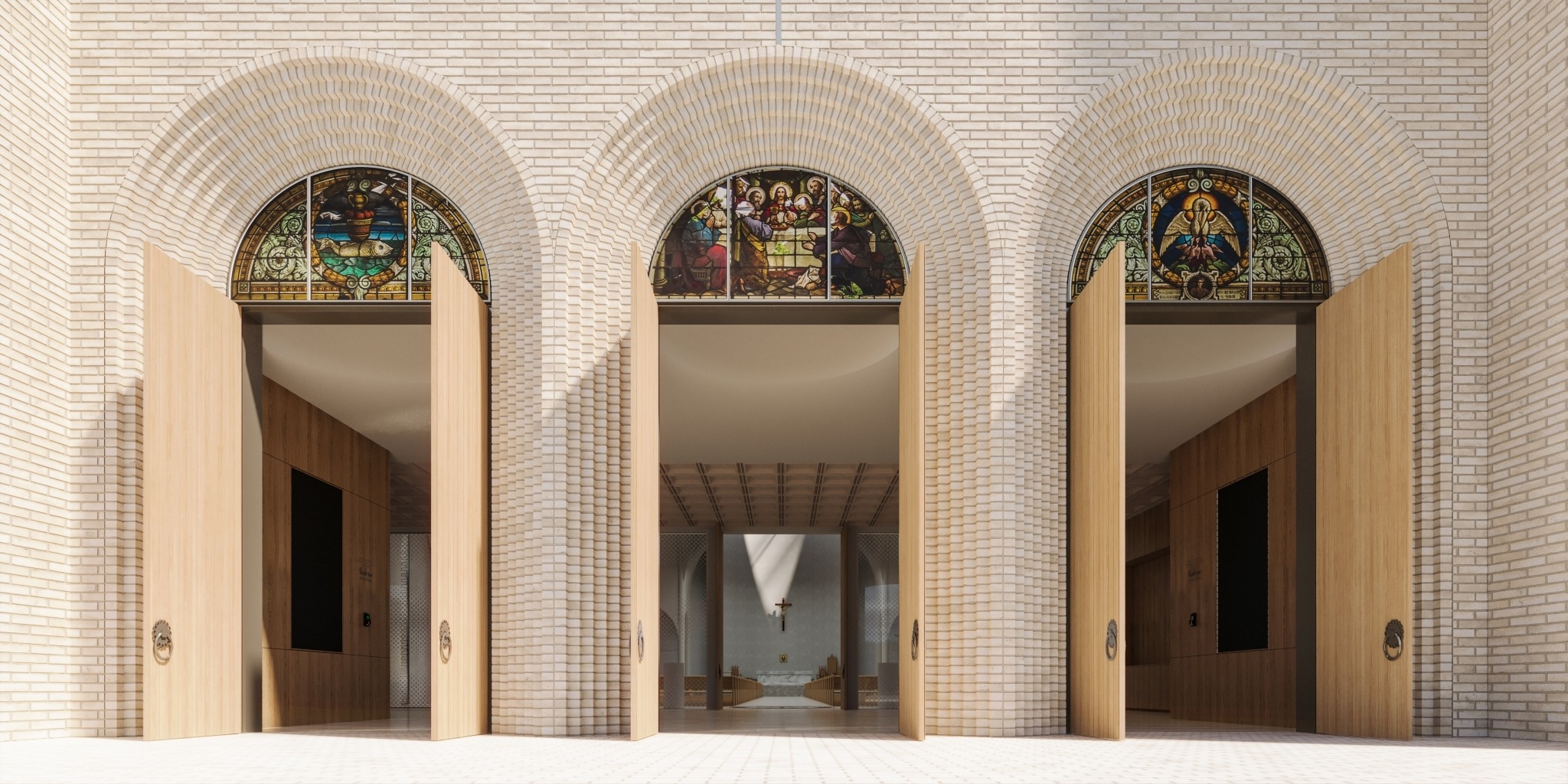
Christchurch's Catholic Diocese has put a new figure, design and fundraising target around one of the city's longest-running post-earthquake rebuild questions, unveiling plans for an $80 million Cathedral of the Blessed Sacrament on Barbadoes Street.
The Diocese released the plans on Sunday, 26 July, after Bishop Michael Gielen's pastoral letter was read at Masses across the region. The new cathedral is planned for the traditional Barbadoes Street home of the Diocese, returning Catholic worship to the site associated with the 1905 Cathedral of the Blessed Sacrament, which was demolished in 2020 after damage from the 2010 and 2011 Canterbury earthquakes.
The project is not simply a replacement church. The Diocese says the budget covers an 800-seat cathedral, an attached Perpetual Adoration chapel, the Te Rangimarie community centre for about 300 people, landscaping, parking and other external works. The design has been developed with Christchurch architecture firm Warren and Mahoney.
The clearest public test now is funding. Cathedral campaign leader Tony Brazier said about $45 million is expected to come from insurance proceeds and the sale of diocesan assets. A further $35 million is required through fundraising. More than $19 million has already been found, leaving about $16 million still to raise. The Diocese says it will move towards final preparations for construction when half of that remaining amount has been secured.
That staged approach matters in a city that has learned to read rebuild announcements carefully. Christchurch has seen ambitious drawings, delayed projects, changed scopes, funding gaps and public arguments over heritage and infrastructure. The Diocese is presenting this project as financially disciplined, but the fundraising gap means the announcement is still the beginning of the next phase rather than the start of construction.
The site decision carries symbolic weight. During 2024, after public consultation, Bishop Gielen announced that the new cathedral would return to Barbadoes Street and retain the Cathedral of the Blessed Sacrament name. That ended a period in which the future location and identity of the Catholic cathedral were live questions. For parishioners whose families helped fund the original cathedral, the return to the old site is part of the appeal.
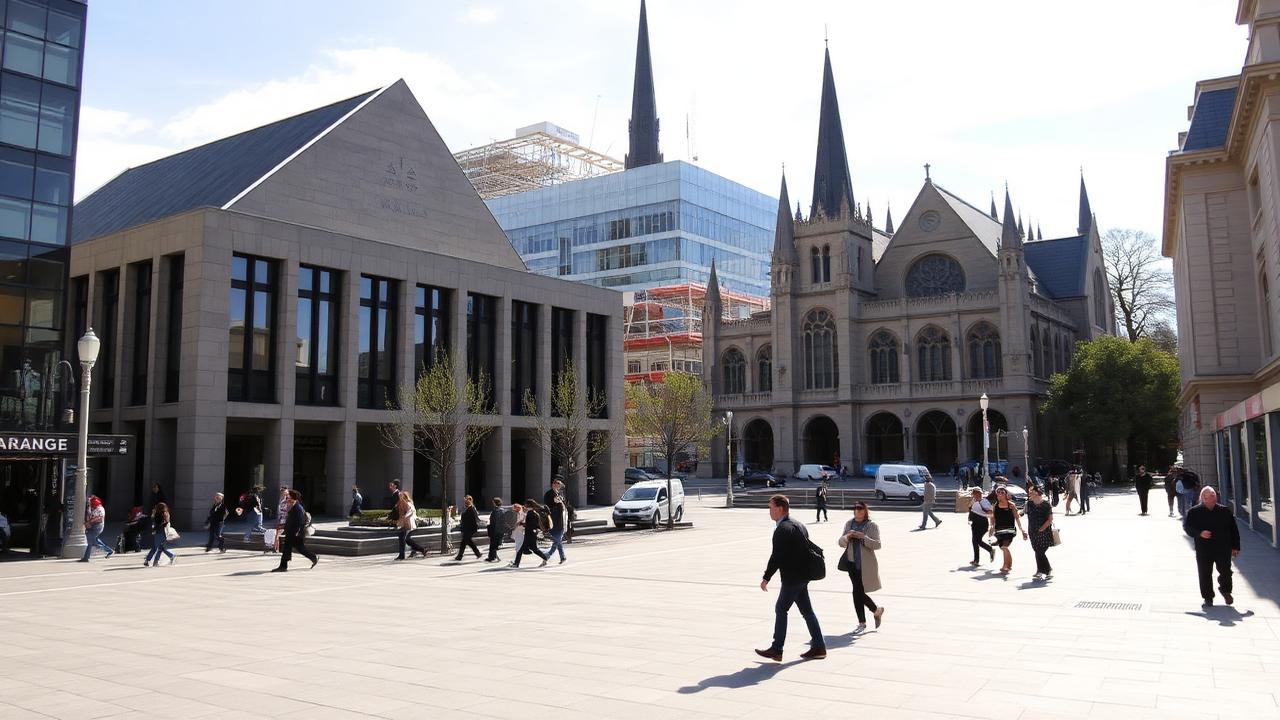
For the wider city, the plan adds another major central-city project to a rebuild landscape that is still being settled. The cathedral would sit within a Christchurch where the stadium, convention centre, theatre, public spaces, hotels, housing and heritage decisions are all reshaping how people use the central city. A successful cathedral project would add a large faith, community and architectural presence to that mix.
There will still be scrutiny. Some residents will focus on heritage loss and the long road from the original damaged building to demolition. Others will ask whether the fundraising burden is realistic during a cost-of-living squeeze. Supporters will argue that a cathedral built for several generations has to be measured differently from short-term civic spending.
The confirmed facts are enough to make this a major Christchurch story: a named site, a released design, an $80 million budget, a clear fundraising gap and an explicit condition before final construction preparations. The unanswered question is whether the Diocese can turn Sunday's campaign launch into the final funding momentum needed to start building.