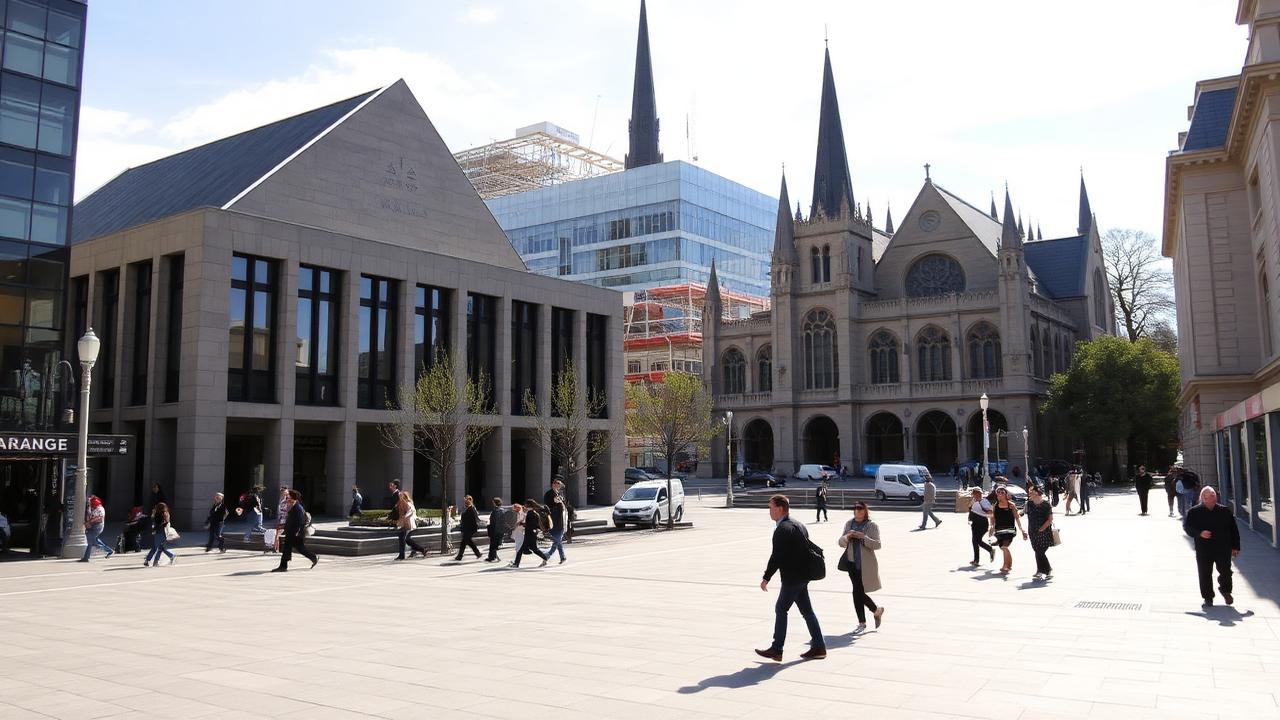
Canterbury Museum has opened Tails From The Coasts: Nature Stories of Singapore at its Pop-Up site on Gloucester Street, bringing a collection of historic wildlife watercolours and a digital experience to Christchurch from 26 June to 1 November.
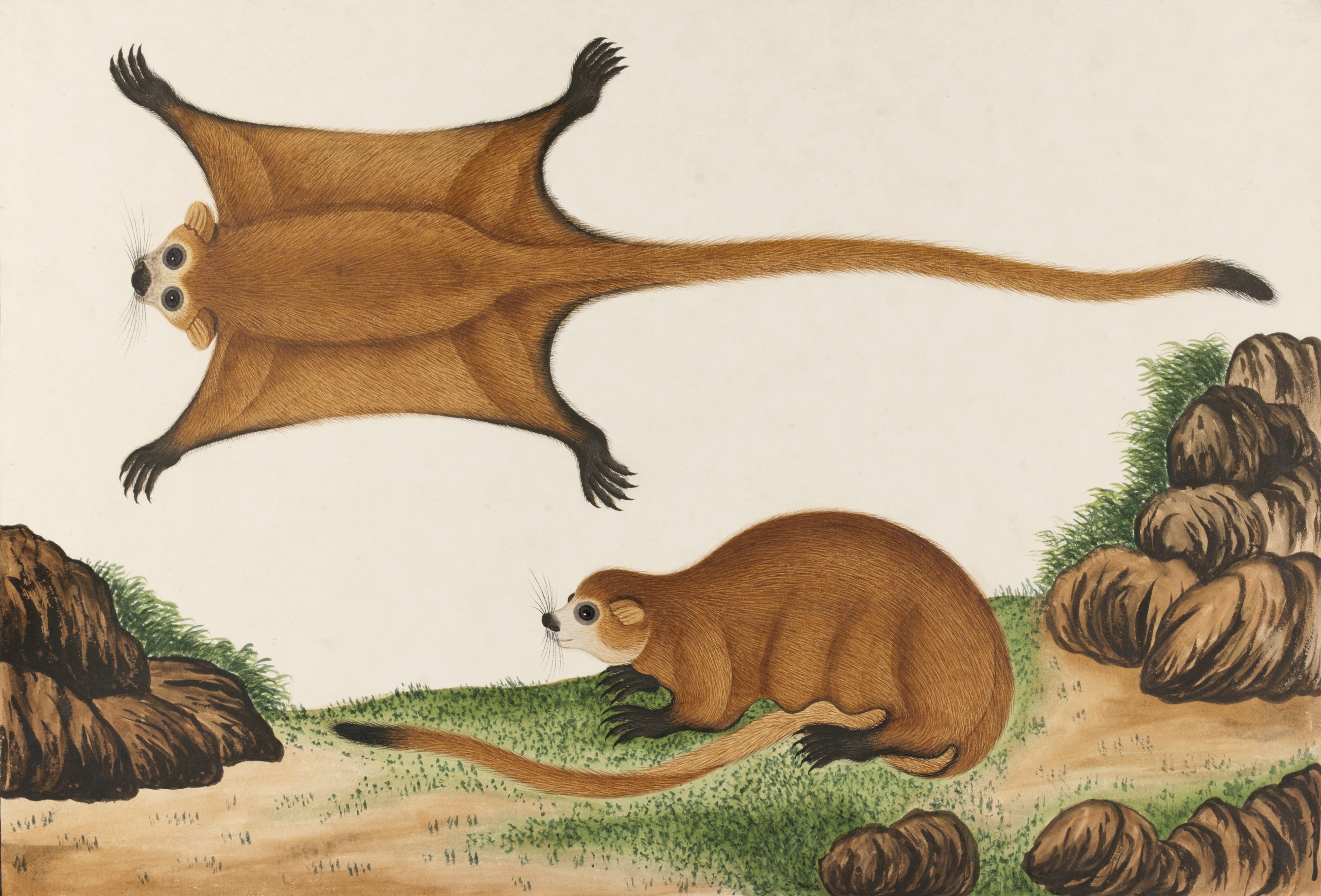
The exhibition is built around 36 artworks selected from the William Farquhar Collection of Natural History Drawings. Canterbury Museum says the 200-year-old works were painted by Chinese artists in the nineteenth century and commissioned by William Farquhar, who became Singapore's first Resident and Commandant in 1819. The selected works come from a wider collection of 477 watercolours documenting plants and animals from the Malay Peninsula.
For Christchurch visitors, the draw is both visual and scientific. The museum's material highlights bearcats that smell of popcorn, flying squirrels, fish that can climb trees and the slow loris, described as the world's only venomous primate. The artworks are not modern wildlife photographs. They sit between scientific record, colonial-era collecting, Chinese artistic technique and the natural history of Southeast Asia. That makes the exhibition a useful winter event for families, art audiences, students and people interested in biodiversity.
The show also includes Voyage - Experience the William Farquhar Collection of Natural History Drawings of Southeast Asia, an immersive digital installation that brings creatures from the watercolours to life through animation. Canterbury Museum says the four-minute animated installation features 30 species and that the full collection of 477 watercolours can also be viewed on a touch screen.
The international partnership is part of the significance. The exhibition is on loan from the National Museum of Singapore and is being shown in New Zealand for the first time. Canterbury Museum says it is also the first time the watercolour exhibition and the digital experience have been displayed together outside Singapore. The museum frames the travelling exhibition as a natural-history contribution to more than 60 years of diplomatic relations between Singapore and New Zealand.
The timing is useful for central Christchurch. Canterbury Museum's main Rolleston Avenue building is under redevelopment, so the Pop-Up at 66 Gloucester Street carries much of the museum's public presence while the larger project continues. A free exhibition running through winter and into spring gives the central city another low-cost indoor attraction at a time when weather can limit outdoor plans.
It also gives the museum a way to offer international content without losing its educational role. The exhibition asks visitors to look closely at animals, habitats, art-making and environmental change. Some of the creatures shown are strange or charismatic, but the deeper theme is how humans have recorded, interpreted and affected the natural world.
For families, the practical details are straightforward. The exhibition is at Canterbury Museum Pop-Up, 66 Gloucester Street, and entry is free with donations appreciated. Newsline's weekend guide lists the Pop-Up hours as 9am to 5pm for the exhibition period. Visitors should check the museum's current listing before travelling, especially around public holidays or group visits.
For Christchurch, the exhibition is more than a school-holiday option. It connects the city to a major Singapore collection, gives the Pop-Up a fresh anchor event and offers a rare chance to see historical natural-history artworks alongside contemporary digital interpretation. In a week crowded with budget and transport decisions, it is a quieter but still important cultural opening.