Christopher Luxon has sharpened the North Canterbury transport debate by saying construction of the Belfast to Pegasus motorway and Woodend Bypass would begin next year if National is returned to government.
The promise follows National's separate pledge to fully fund the corridor with $800 million in its first Budget. The project would extend the Christchurch Northern Motorway around 11 kilometres north, upgrade parts of State Highway 1, build a four-lane bypass around Woodend and improve major intersections, bridges and overbridges.
For North Canterbury commuters, this is more than an election line. The SH1 corridor through Woodend is a daily pressure point for people moving between Christchurch, Kaiapoi, Woodend, Pegasus, Ravenswood and the wider north. National says the route currently carries about 21,500 vehicles a day and could reach about 28,000 by 2048. It also says the new route could reduce traffic through Woodend to about 8,000 vehicles a day.
Luxon's new comment matters because it narrows the political claim from support in principle to a construction-start guarantee. In the interview, he framed the project as ready to move once funding is hard-allocated. That creates a clear test for voters: whether they believe the timing, the funding and the delivery pathway will hold after election day.
The local stakes are practical. A bypass could change how Woodend's town centre feels by moving through-traffic and heavy vehicles away from the main street. It could also reshape travel times, freight movement and growth patterns north of Christchurch. Supporters see a safety and congestion fix that has been discussed for years. Skeptics will watch cost, emissions, land impacts and whether road investment crowds out other transport needs.
The project also sits inside a wider Canterbury growth story. Christchurch is spreading its housing, jobs and commuter patterns across council boundaries, while North Canterbury communities absorb more residents who still depend on the city for work, health care, education and major services. That makes the road a local issue, a regional planning issue and a political symbol all at once.
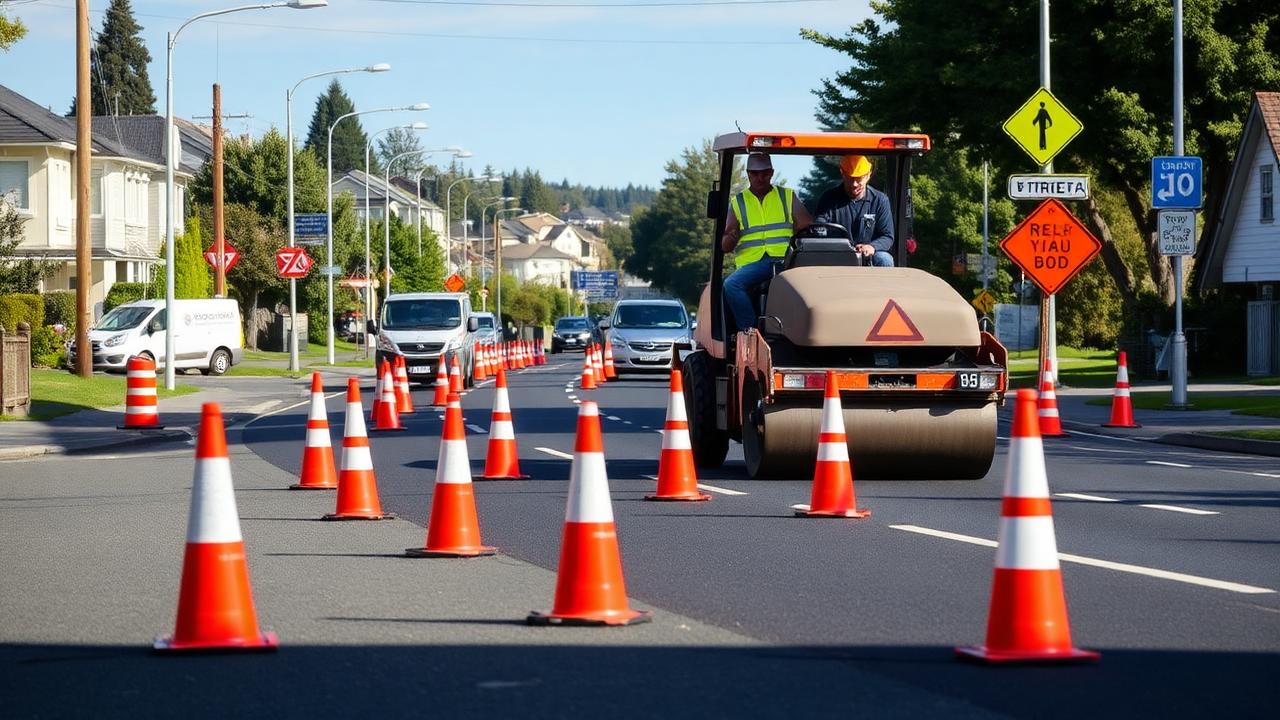
There is no construction start yet. What exists now is a campaign commitment, a funding figure, fast-track approval history and an electorate-level argument over whether the next government will deliver. The next checks are the election result, the first Budget, updated costings, procurement steps and whether the promised 2027 construction start becomes a worksite rather than another line in a transport plan.