Environment Canterbury's latest Banks Peninsula restoration update gives Christchurch a practical example of what community-led biodiversity funding looks like once it leaves a spreadsheet and lands beside a stream.
The project is focused on Te Wharau Stream at Orton Bradley Park, where a $45,000 grant from the Christchurch and Banks Peninsula Biodiversity Fund has supported fencing, planting, weed control and pest control. The aim is to improve freshwater quality, strengthen native habitat and protect the stream's connection to Whakaraupo Lyttelton Harbour.
The local importance is easy to miss if the story is treated only as an environmental release. Orton Bradley Park is a 650-hectare public landscape with walking tracks, picnic areas, farming leases and native habitat. It is used by families, walkers, school groups and harbour communities, so improvements there are not hidden away from public life.
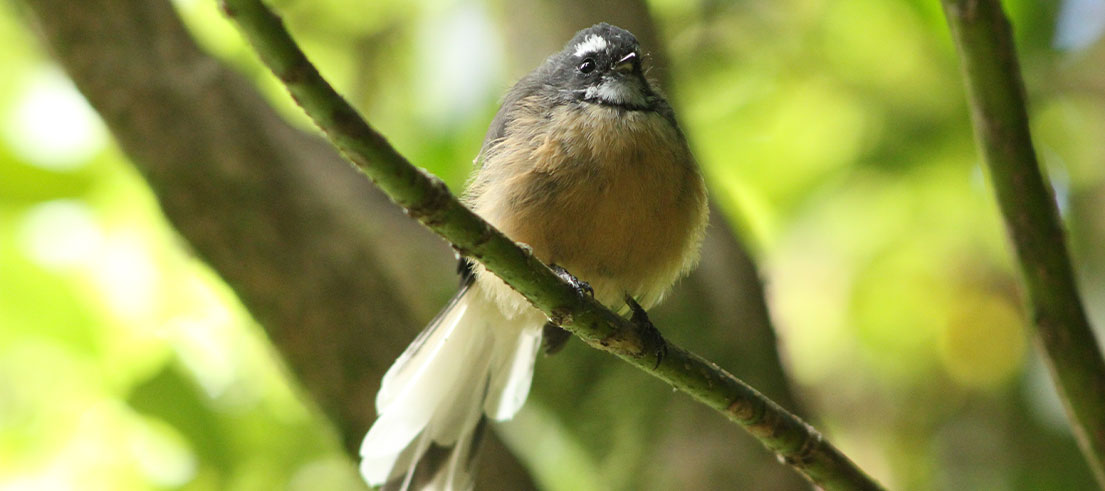
Park manager Ian Luxford has pointed to clearer water and a noticeable return of birdlife, including piwakawaka fantails, as signs that the work is beginning to show. In ecological terms, those signs matter because birds and stream health respond to small physical changes: stock kept out of waterways, banks stabilised with native planting, and weeds or pests reduced enough for regeneration to take hold.
The project also shows why stream restoration is rarely just one organisation's job. Environment Canterbury, the Orton Bradley Park Board, Te Hapu o Ngati Wheke and the Whaka-Ora Healthy Harbour partnership are all part of the wider picture, because Te Wharau Stream ultimately flows into the harbour and into the cultural and ecological responsibilities that sit around it.
That harbour connection gives the story a community-builder angle. A stream fence or planting line may look modest beside larger infrastructure projects, but these are the kinds of actions that can change how a place is cared for over time. They build shared responsibility between land managers, mana whenua, councils and the people who use the park.
Environment Canterbury says the stream supports native fish and stream insects, including piripiripohatu torrentfish, and that a pregnant female was found during surveys in 2024. That detail gives the restoration more weight than a general feel-good claim: it points to a living system already worth protecting.
For Christchurch and Banks Peninsula, the test is whether the fund keeps turning small, local projects into durable gains. Te Wharau Stream is now one of 14 projects selected across the 2024/25 and 2025/26 funding rounds. The fantails are the visible symbol, but the deeper measure will be whether the water, plants, fish and harbour keep improving after the first round of attention has passed.