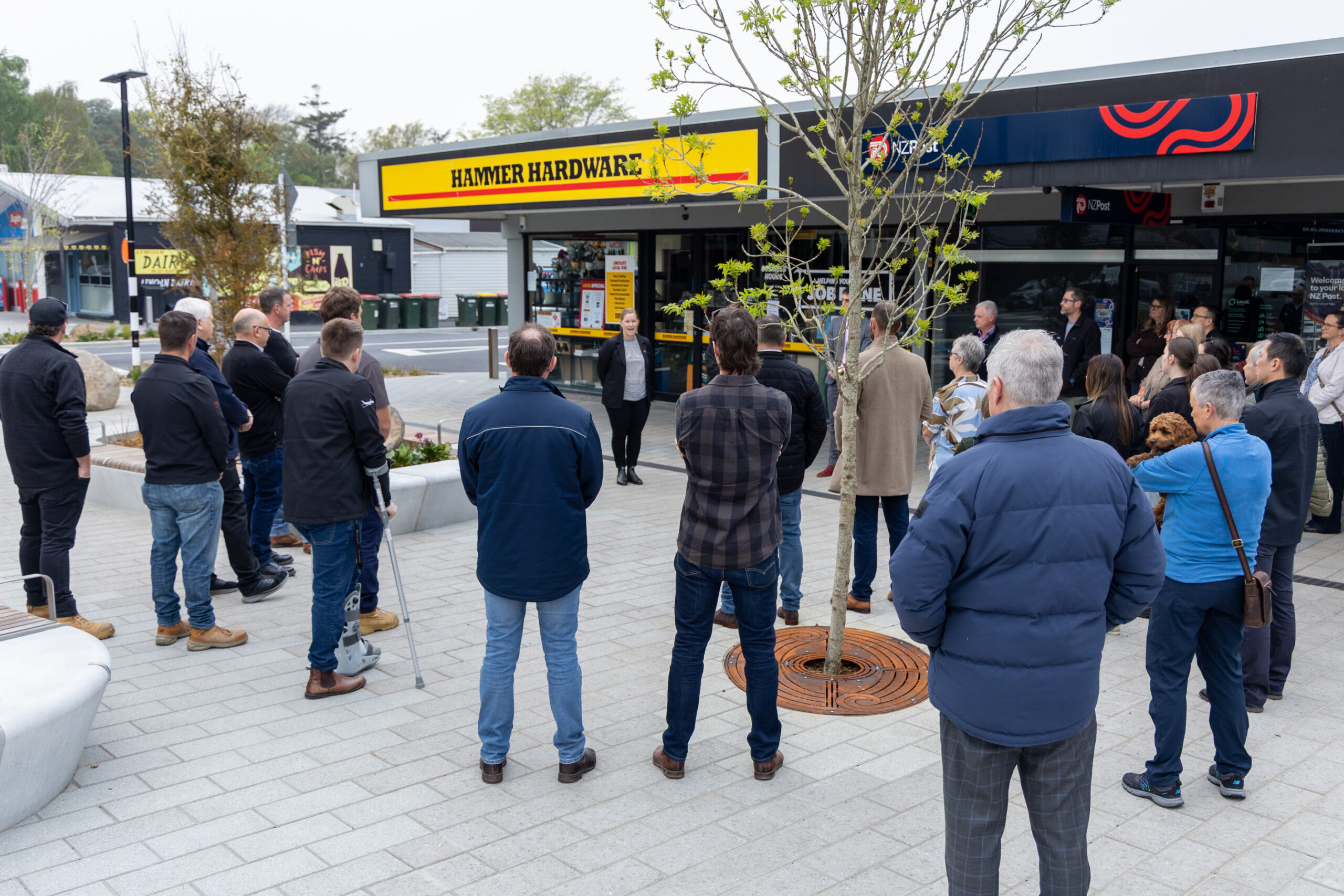
Lincoln's town-centre upgrade has moved from drawings and disruption into a visible public space, with the new plaza formally blessed as the first stage of work wraps up.
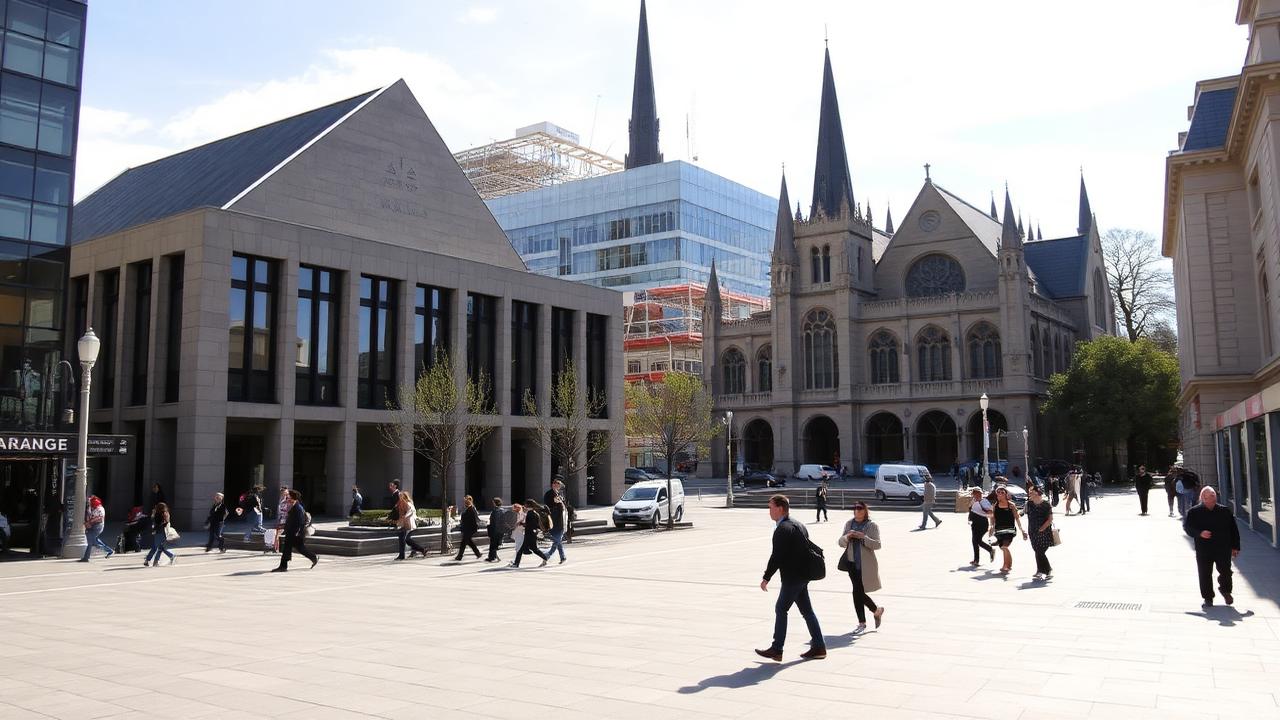
The stage-one completion gives residents the first real look at what the project is trying to achieve. The work has introduced a 40km/h town-centre speed environment, new pedestrian crossings, cycling facilities, more than 50 trees, stormwater treatment through rain gardens and upgraded underground services.
That list matters because fast-growing towns often feel change first as congestion. Lincoln has been pulled between its village identity and the daily pressures of a district centre serving more homes, more school traffic, more commuters and more weekend visitors. A plaza does not solve all of that, but it gives the centre a defined place for people rather than only vehicles.
Selwyn District Council has also leaned into cultural design details, including split boulders, basket forms inspired by hīnaki and tuna elements. In a town-centre upgrade, those choices can be dismissed as decoration. They are more useful when they help a new street environment feel specific to the place rather than like a standard transport job dropped into Gerald Street.
The opening also changes the political and practical test. During construction, residents and businesses were asked to be patient. Now the question is whether the finished first stage earns that patience back by making the centre easier to use, safer to cross and better to spend time in.
Local businesses will be watching closely. A prettier town centre helps only if customers can still find their way in, park, walk safely and feel that the centre remains open through the next phases. Mayor Lydia Gliddon's message that Lincoln is open for business is therefore more than a line for opening day. It is the operating challenge for the months ahead.
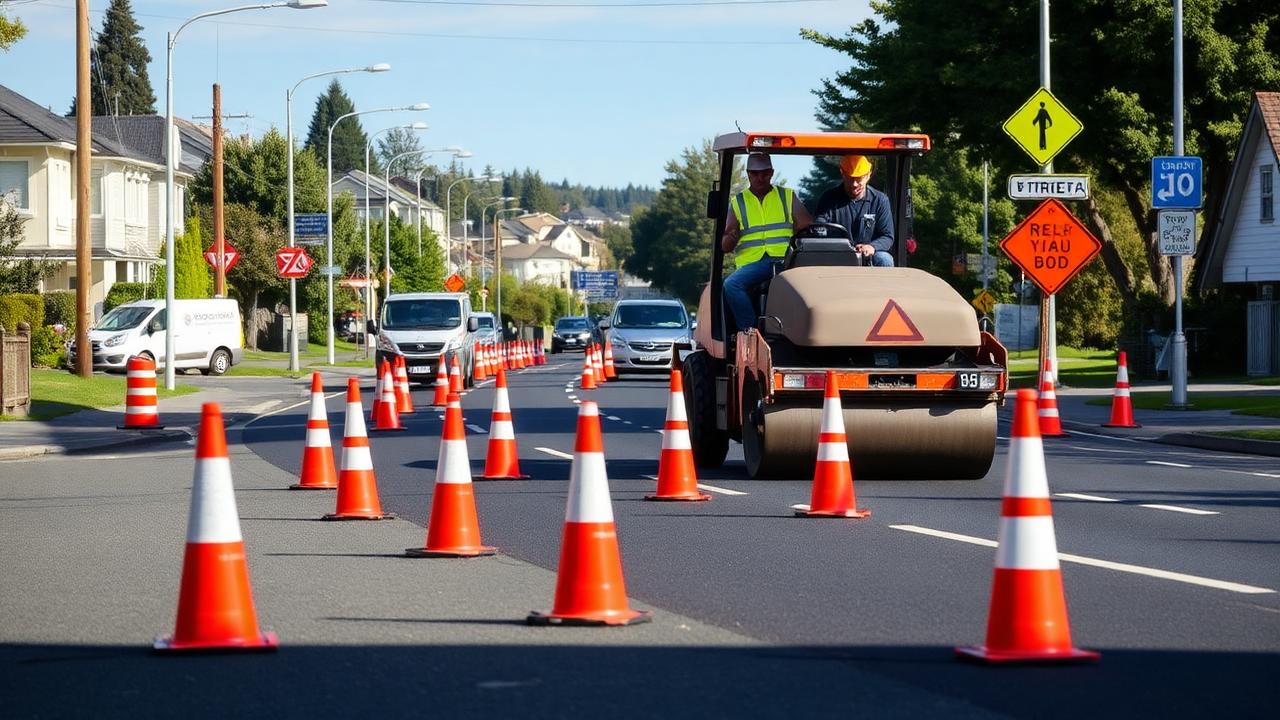
The next stages are due to start near the end of October. That means the plaza opening is not the end of the story; it is the first proof point before a longer construction period tests traffic management, business access and resident communication again.
For Lincoln, the best outcome would be a town centre that can absorb growth without losing its local feel. Stage one has given the community a glimpse of that future. The coming stages will show whether the wider street network can carry it.