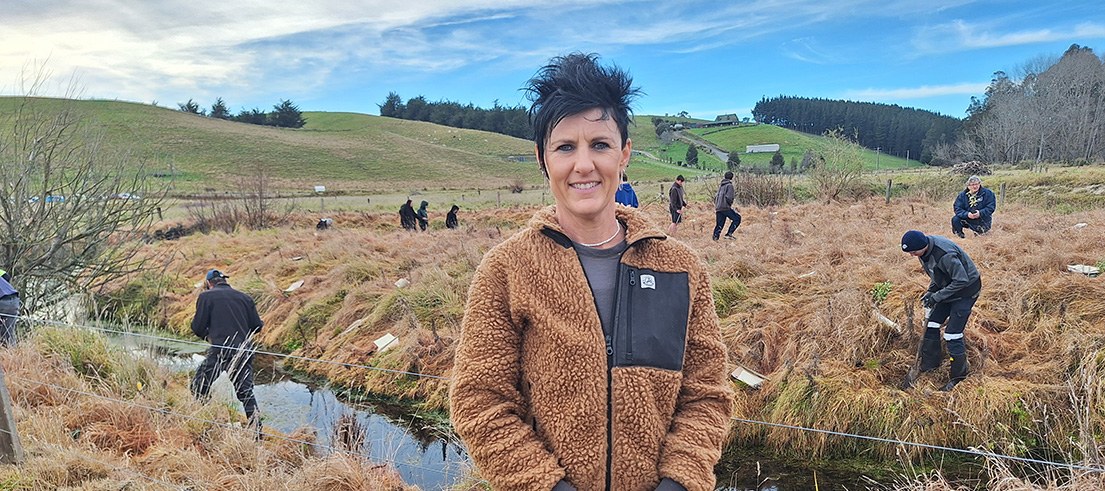
South Canterbury farmers Gemma and Hayden Barker have secured regional funding to restore part of Papaka Stream, turning a long-held farm plan into a wider water-quality and biodiversity project.
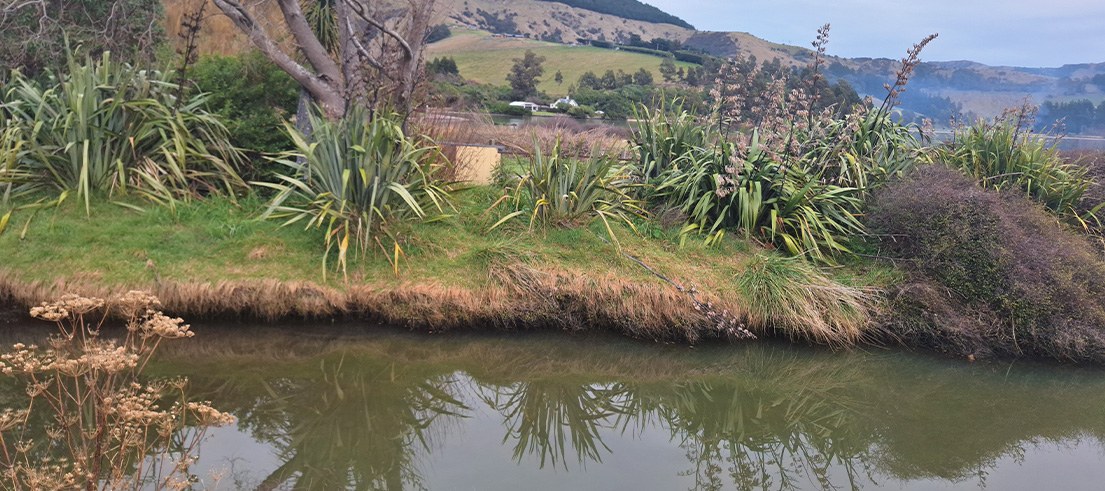
Environment Canterbury said on Thursday that the Barkers, who run a sheep and beef farm in Levels Valley, have received $28,863 from the Canterbury Water Management Strategy Action Plan Fund. The money will help restore a section of Papaka Stream that passes through their property, with work focused on native planting, fencing, habitat improvement and protection for Canterbury mudfish, also known as kowaro.
The project is a useful example of how environmental recovery in Canterbury often happens through landowners as much as through councils. Rivers, drains, springs and wetlands frequently cross private land before reaching larger public waterways. That means the choices made on farms can affect downstream sediment, habitat quality and water health well beyond one property boundary.
The Barkers have already self-funded several hectares of native planting on their farm. ECan's story says the new support will help them complete work that would otherwise have been a major financial undertaking. Their goal is to make the stream a better haven for native birds, including bellbirds, while improving habitat for Canterbury mudfish and other native life.
Papaka Stream is a tributary of Waitarakao Lagoon, a coastal feature valued for rare geomorphology, ecological habitats, biodiversity and cultural and historical values. That wider setting gives the project more significance. Stream restoration upstream can help reduce sediment and improve the condition of downstream habitats, particularly where coastal lagoons are vulnerable to water-quality pressure.
The work will include fencing and native planting intended to reduce erosion and sediment discharge over the medium and long term. It will also create a protected habitat area for native birds and insects. ECan said senior biodiversity advisor Jenna Hughes-Games set fish traps before willow-removal work began and found a small population of Canterbury mudfish in a pond almost covered by native aquatic fern. The discovery changed the project plan so no work would take place where the mudfish were found.
That adjustment is important. Restoration can do harm if it is rushed or if contractors miss what is already living in a site. Finding mudfish before the earthworks and planting stage means the project can protect existing habitat while building better conditions around it. It also shows why technical advice matters for landowners who want to do the right thing but need support to sequence the work safely.
The Barkers are working with Our Waitarakao, a partnership involving Te Runanga o Arowhenua, the Department of Conservation, Timaru District Council and Environment Canterbury. The team will provide advice, help facilitate works and support the cost of local native plants.
ECan said the Papaka Stream project is one of 38 selected in the latest CWMS Action Plan Fund round, with $500,000 allocated across Canterbury for projects that improve water quality, restore habitats and strengthen local environmental action.
For Christchurch readers, the story matters because Canterbury's environmental health is regional. City water debates, rural land management, coastal lagoons and biodiversity funding are connected. The Barkers' project is one farm-scale example of that larger picture: local operators investing in land care, backed by public funding, with benefits intended to move downstream.