Nine Christchurch homes opened to the public through the Superhome Tour on 27 and 28 July, giving residents a rare chance to look inside houses designed around warmer, drier and more efficient living rather than only street appeal.
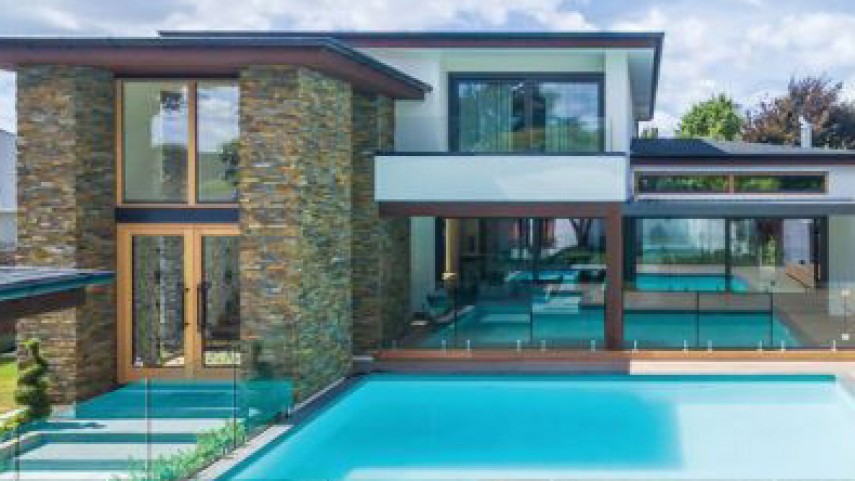
Christchurch City Council's Newsline article said the tour ran from 11am to 4pm across the two days and included homes that demonstrate practical building choices for comfort, energy efficiency and lower running costs. The official page highlighted a Fendalton home among the open properties and linked the event to the wider Superhome movement, which promotes better-performing New Zealand homes.
The property story is timely because Christchurch households understand the difference between a house that looks good and a house that performs well. Winter exposes weak insulation, poor ventilation, cold surfaces, damp corners, condensation and expensive heating habits. A tour that lets people see working examples can make building science less abstract. Instead of reading a checklist, visitors can ask what was installed, why it matters and how it feels in a lived-in space.
Efficient homes are not only a lifestyle preference. They are part of household economics. Better insulation, airtightness, glazing, orientation, ventilation and heating design can change power bills and health outcomes. Upfront costs can be higher, but the long-term equation includes lower energy use, fewer moisture problems and more stable indoor temperatures. For owners planning a new build or renovation, seeing completed examples can help them decide where the money is best spent.
The tour also matters for Christchurch's building sector. Designers, builders, suppliers and homeowners are still navigating cost pressure, consent timelines, insurance requirements and changing expectations after years of rebuild and growth. Demonstration homes can raise the standard by showing that practical efficiency is achievable in local conditions. They can also create demand for trades and products that deliver measurable performance rather than decorative upgrades.
For renters and first-home buyers, the issue is more complicated. They may not be able to design or retrofit their own home, and efficient housing can carry a price premium. But public visibility still helps. The more residents understand what a healthy home looks and feels like, the more pressure there is on landlords, developers and policymakers to treat warmth and ventilation as core infrastructure rather than optional extras.
Christchurch is a useful place for this conversation because the city has a wide housing mix: older villas and bungalows, post-quake repairs, new subdivisions, townhouses, lifestyle blocks and architect-designed homes. A one-size-fits-all answer will not work. The useful lessons are principles: stop heat escaping, manage moisture, bring in fresh air, use sunlight well, choose materials carefully and design systems that residents can actually operate.
The confirmed event has now run, so the next value is in what visitors take away. If the tour leads households to ask better questions before building or renovating, it has done more than show attractive houses. It has shifted the property conversation toward performance. For Christchurch, that is a practical step: homes that are warmer in winter, cheaper to run, healthier to live in and better suited to the climate residents actually experience.