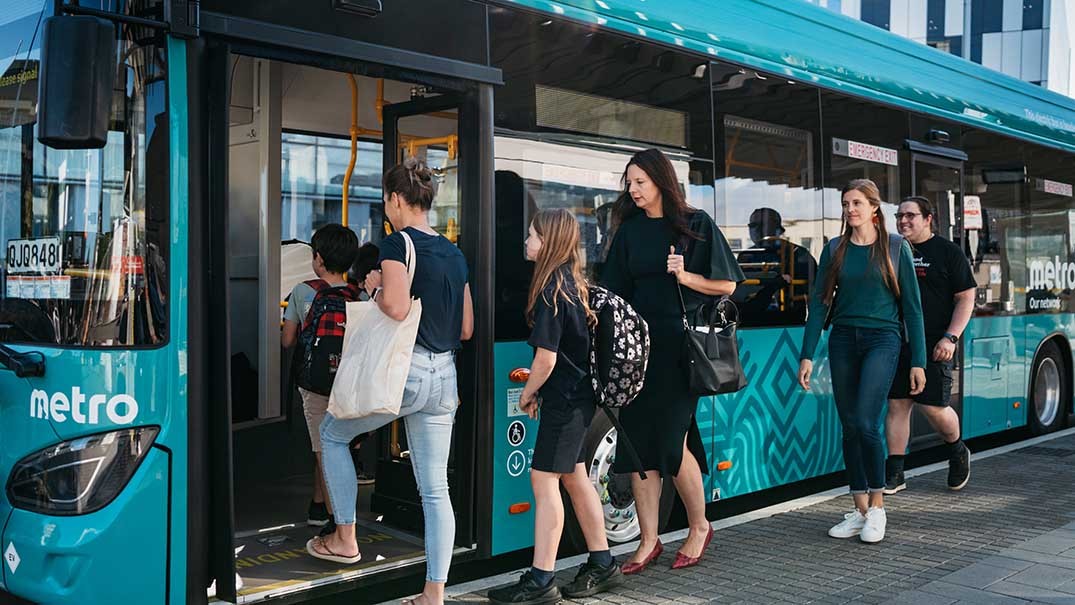
The Rolleston-City Direct bus trial will continue under Metro from 10 August, keeping a direct commuter option in place for one of greater Christchurch's fastest-growing communities while changing how the service is run.
Environment Canterbury said on Monday that Routes 84 and 85, launched in September 2025 in collaboration with Bentley Coachlines, will move fully into Metro operation. The trial was created to give Rolleston residents more direct city options and improved frequency. From 10 August 2026, the Canterbury Regional Council will take over delivery so passengers receive a more consistent Metro experience.
The change is more than a logo swap. ECan says the timetable will have minor timing changes and later trips will be included after customer feedback, giving shift workers better provision. At the same time, the new timetable is being adjusted to better match capacity, resulting in two fewer trips. Customers will be able to pay Metro fares of $3 or less when using Metrocard or contactless payment with Motu Move, and they will gain normal Metro features such as bike racks, eligible pets on public transport and free transfers within two hours.
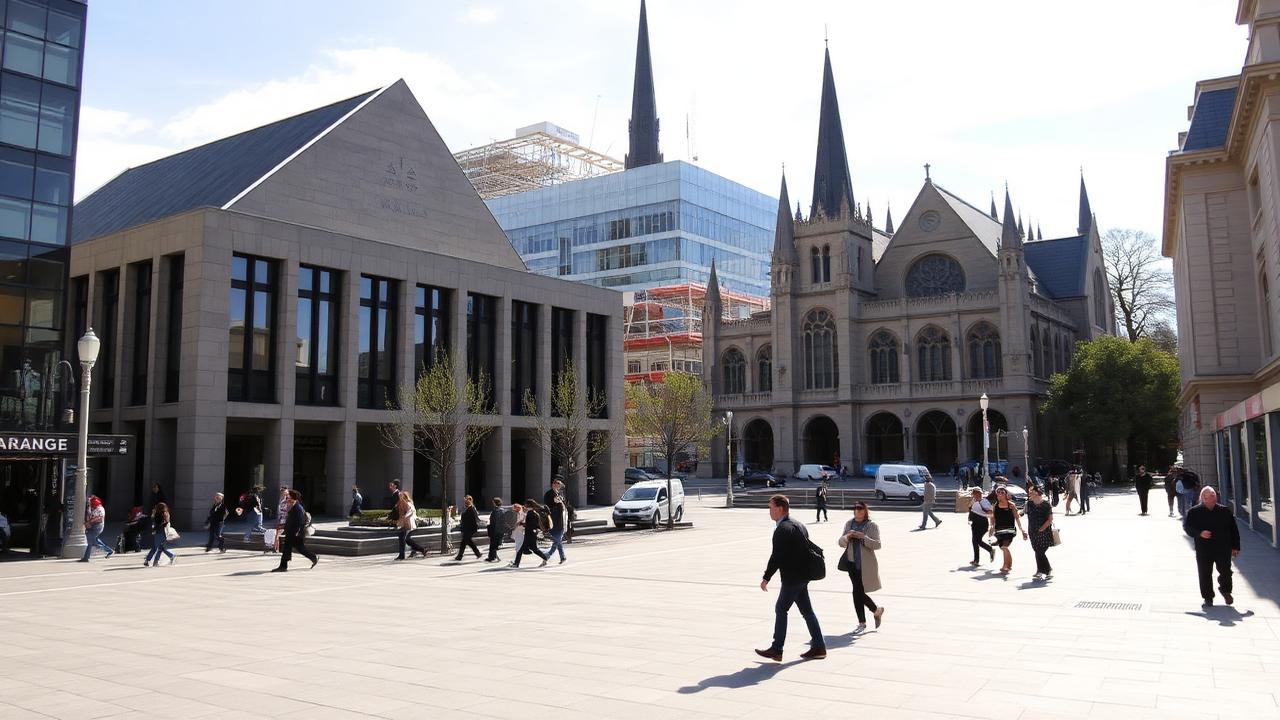
Boarding and disembarking will also shift into the city interchange building rather than outside it. That matters for commuters because small design details can decide whether public transport feels usable every day. Indoor interchange access can improve comfort, wayfinding, transfer confidence and accessibility, especially in winter weather or for people connecting with other services. Audio announcements will also be available for trips arriving at or leaving the interchange.
For Rolleston, the public transport question is tied directly to growth. The town has expanded quickly, with new housing, families, schools, commuters and businesses adding pressure to roads between Selwyn and Christchurch. A direct bus service will not solve every transport issue, but it gives households another option before car dependence becomes even more locked in.
The trade-off is that a trial has to prove itself. ECan says the service will continue until June 2027, and its future will be considered through the upcoming Long-Term Plan process. That gives passengers roughly another year to show whether the route is valuable enough to continue. It also gives the council time to test whether timetable changes, later trips and Metro integration increase usefulness.
Feedback will remain important. ECan says route configuration changes may be considered after customer feedback, and the timetable could be altered again if required. Commuters should not read the August change as the final permanent design. They should read it as the next stage of a trial that now has enough support to continue, but still needs evidence about demand, timing and route shape.
The practical message for Rolleston residents is to check the new timetable before 10 August, especially if they use the service for work start times, late shifts, school connections or medical appointments. Fare and transfer changes may make the bus more attractive for some households, while the reduction of two trips may inconvenience others depending on timing.
For greater Christchurch, the bigger point is strategic. Growth areas need transport choices before congestion, parking pressure and household costs become harder to unwind. The Rolleston-City Direct trial is a modest but important test of whether targeted express services can help bridge the gap between suburban growth and central-city access.