Christchurch residents have been asked to rank the principles that should guide any Canterbury local government reorganisation, as the city works toward a decision on what proposal it may support.
A new survey is now open after Christchurch City Council explored options with other councils, the Canterbury Mayoral Forum, mana whenua, communities and stakeholders. The survey asks residents to consider three organising principles: how people work, live and grow; how water and rivers flow; and scale, capability and capacity. It closes on Sunday 26 July.
The timing matters because local government structure is no longer a distant policy issue. The Government has asked councils to submit voluntary proposals for amalgamation through what Christchurch City Council calls the Head Start Pathway. Council says it is considering five potential amalgamation options, although other options remain on the table for the region. Elected members are due to decide on 4 August what approach to take.
For the public, the consultation may sound technical, but the consequences are practical. Local government boundaries shape who makes decisions about water, roads, planning, rates, parks, libraries, community facilities, environmental management and emergency coordination. A reorganisation proposal could affect whether decisions are made close to a neighbourhood, across a wider district, or through a larger regional structure.
The three principles expose the core trade-off. "How we work, live and grow" points to commuting patterns, housing growth, employment centres and the reality that people cross council boundaries daily. "How water and rivers flow" recognises that catchments do not stop at political lines, especially in Canterbury where flood risk, groundwater, stormwater and river management are shared problems. "Scale, capability and capacity" asks whether councils have enough size, staff, funding and technical strength to manage increasingly complex services.
None of those principles is automatically superior. A structure based on daily life may better reflect urban growth and transport. A structure based on catchments may improve environmental and water decisions. A structure based on scale may make services more resilient and professional. The difficulty is that Canterbury needs all three at once, and a survey ranking exercise asks residents to say which should carry the most weight.
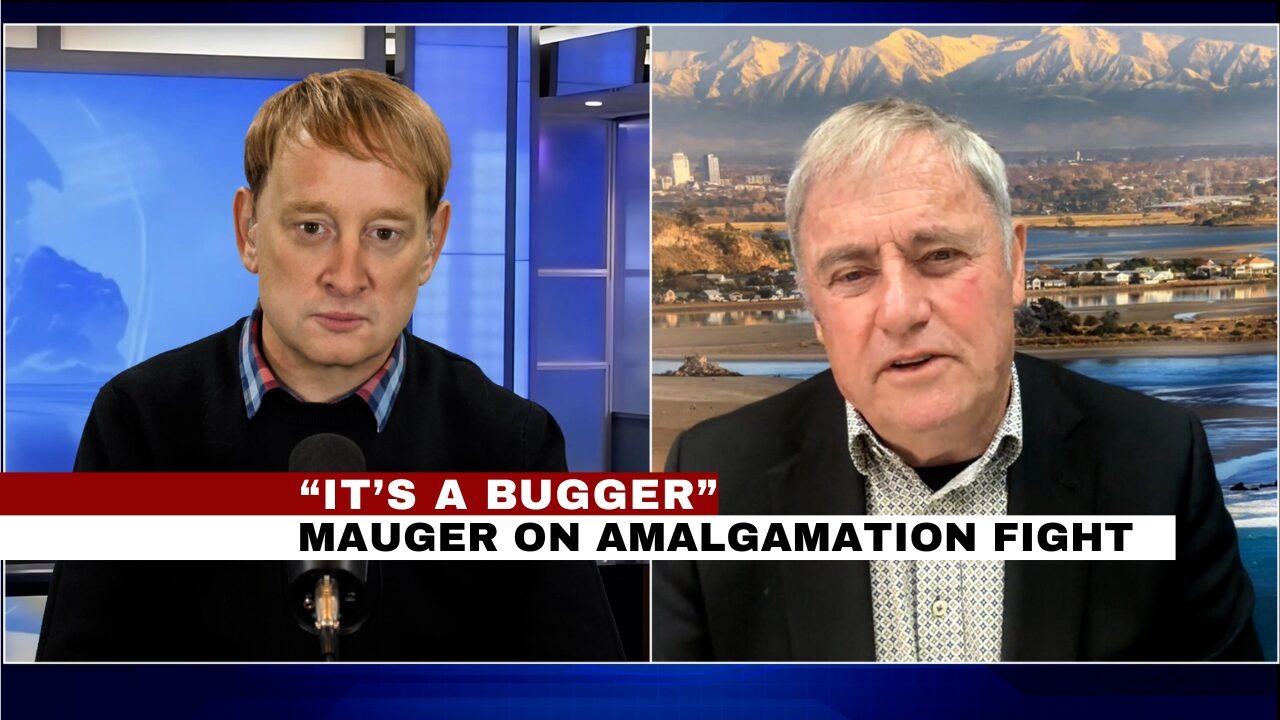
Mayor Phil Mauger said council is taking an evidence-based approach and wants any regional reorganisation to succeed at the regional level. That is a significant phrase. Christchurch is the largest council in the region, but a proposal that works only for the city and not for surrounding districts would struggle politically. Selwyn, Waimakariri, Banks Peninsula communities and rural Canterbury all have different relationships with growth, water and representation.
Residents should also understand what the survey can and cannot do. It will help inform elected members' decision-making, but it is not a binding referendum on a final map. The 4 August decision will be part of a wider process, and any serious reorganisation debate will need more detail on governance, costs, transition, representation, staffing and service levels.
The immediate opportunity is still worth taking. People who care about local voice, regional coordination, water management or council capability have a short window to put those priorities into the record. Reorganisation debates can quickly become dominated by insiders and institutional language. A public survey gives ordinary residents a chance to say what kind of Canterbury decision-making system would make sense from the ground up.