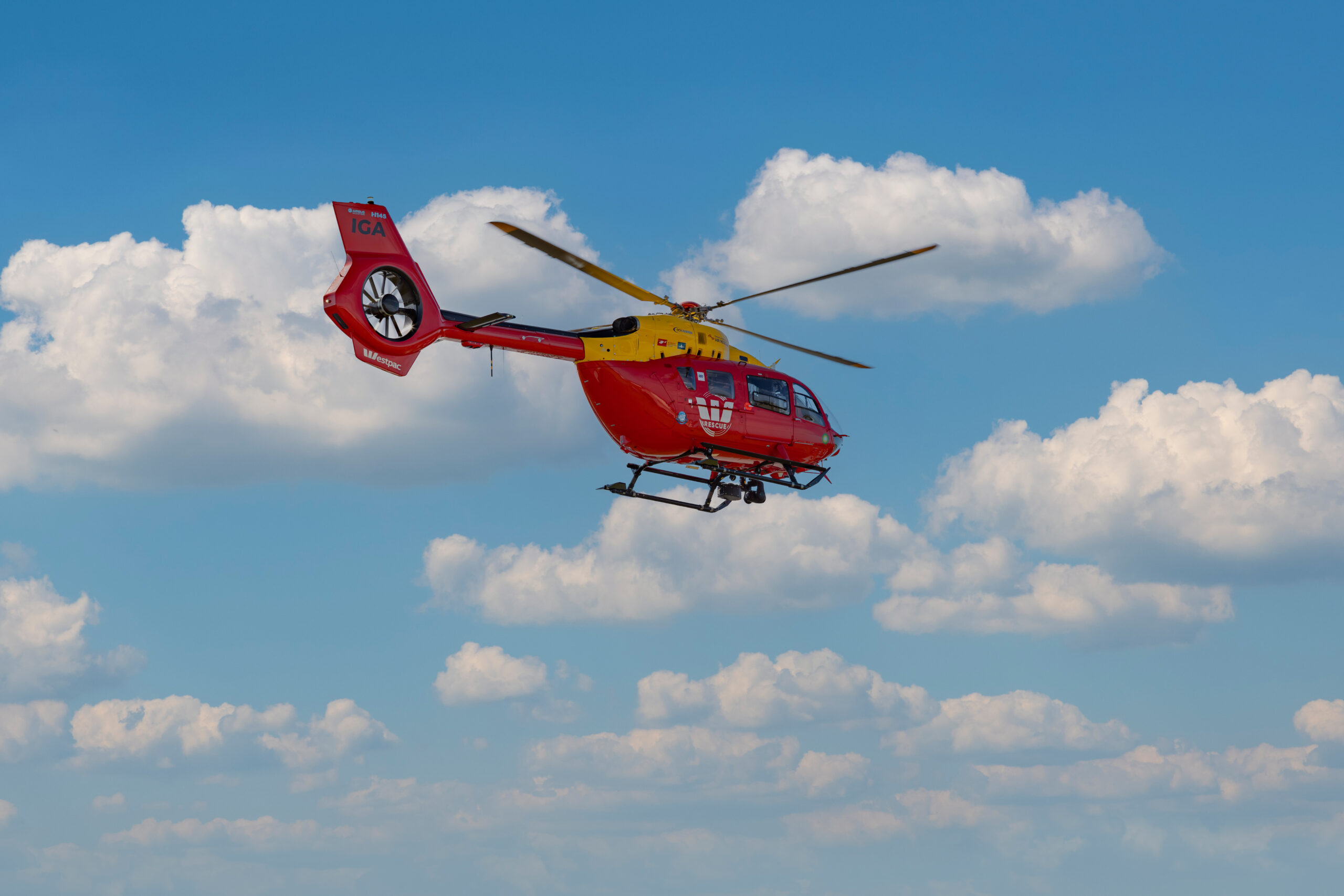
Canterbury rescue helicopter crews are asking the public to turn August exercise into funding support through Back to Base, a challenge built around the distances flown by real rescue missions.
Local reporting on Sunday said Cameron Horner, a critical care paramedic on the Westpac Rescue Helicopter, is urging Cantabrians to get behind the campaign. The Canterbury West Coast Air Rescue Trust's Back to Base page says participants can walk, run, ride, ski or otherwise move through August while raising money to support rescue helicopter training and equipment.
The local numbers explain why the callout is more than a fitness campaign. The source reporting said the Canterbury Westpac Rescue Helicopter flew 324 missions in the first six months of this year, while the West Coast Westpac Rescue Helicopter flew 212. That is 536 missions across the two services in half a year, before winter weather, alpine travel, rural incidents and road crashes are taken into account.
Back to Base turns those missions into distances people can understand. Participants can choose a target linked to actual helicopter routes, from shorter city distances to longer regional missions, or set their own goal. The official challenge site positions the month as a way to get fit, improve mental wellbeing and raise funds for keeping crews mission-ready. That framing works because it connects an everyday action, going for a walk or ride, with the highly technical emergency response most people hope never to need.
For Canterbury, the rescue helicopter service sits in a unique geography. The region stretches from urban Christchurch to braided rivers, rural highways, ski roads, farms, beaches and alpine approaches. A patient can be close to the city on a map but difficult to reach quickly by road. On the West Coast side of the service area, weather and terrain add another layer of risk. Helicopters are not a luxury in that landscape. They are part of the emergency system's ability to move critical care across distance.
The fundraising need is also constant. Air rescue services require trained pilots, paramedics, doctors, engineers, fuel, hangar support, clinical equipment, aircraft upgrades and communications systems. A single mission can draw on years of training and expensive equipment before a patient is even lifted. Community fundraising does not replace public responsibility, but it helps sustain the level of service residents expect when something goes wrong.
The August timing gives households, workplaces and clubs a simple way to participate. Families can choose a manageable distance, sports groups can turn training into fundraising, and workplaces can create team goals. The challenge is broad enough for serious runners and cyclists, but it is not limited to them. The central message is participation, movement and support.
The campaign also gives the public a clearer view of who is behind the helicopter they see overhead. Rescue missions can become background noise in a city used to sirens and aircraft. Back to Base puts names, crew roles and mission distances back into the picture, reminding people that emergency response is delivered by people working in high-pressure conditions.
The verified facts are straightforward: the challenge runs through August, it supports the Canterbury and West Coast rescue helicopter services, and the mission count for the first six months of 2026 shows heavy demand. For Christchurch and Canterbury readers looking for a practical community cause this winter, Back to Base is a direct way to support the crews who may one day be called to their road, farm, beach, workplace or backyard.