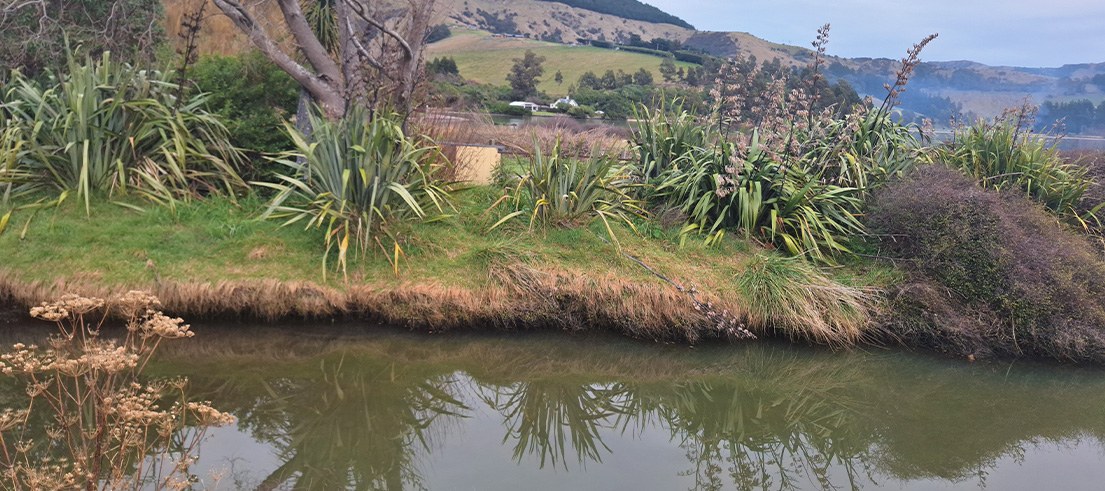
The debate over the future of Pegasus golf course is heading to Parliament after a petition opposing redevelopment closed with more than 15,000 signatures.
Local reporting on Friday said Labour list MP Dan Rosewarne said the petition, organised with the Pegasus Residents Group, will be received on the steps of Parliament on 22 July. Rosewarne, Waimakariri MP Matt Doocey and Waimakariri Mayor Dan Gordon are expected to receive it. The petition opposes proposed redevelopment of the golf course and reflects continuing frustration among residents who say the town was planned around the course and that locals did not get a meaningful say before its future came under threat.
The core issue is trust as much as land use. Pegasus was marketed and built as a master-planned community with a golf course at its centre. For people who bought homes on that basis, the course is not just a private recreation asset. It shapes outlook, neighbourhood character, open space expectations and property decisions. A proposal to shift that land toward housing therefore carries a sharper public reaction than a standard development argument.
Doocey told local media the golf course's special zoning had lapsed and that any developer would still face hurdles under the fast-track process, including assessment against legislated criteria, a substantive application and an independent panel. He also said he understood residents' frustration because people had bought into a town they believed was planned around protected open space.
Rosewarne framed the issue around community voice. He said residents' biggest concern was that they did not get the opportunity to have a say. His comment that if it can happen in Pegasus it can happen anywhere captures why the debate has moved beyond a single golf course. Other planned communities will be watching how much weight local expectation carries when land ownership, zoning and fast-track development policy collide.
The timing is politically sensitive. Canterbury has seen significant housing growth pressures, and Waimakariri is one of the districts absorbing population and infrastructure demand beyond Christchurch. More housing may be needed in the right places, but the Pegasus dispute shows how quickly support for growth can fracture when residents believe the rules changed after they made long-term decisions.
There is also a governance question. Fast-track pathways are designed to accelerate projects considered nationally or regionally significant. Supporters argue that faster processes can unlock housing and infrastructure. Critics worry that speed can reduce local scrutiny or make communities feel powerless. Pegasus has become a test case because the proposed land-use change touches identity, amenity and trust, not just dwelling numbers.
The petition's 15,000-plus signatures will not decide the planning outcome on its own. Any formal proposal will still need to pass through the relevant statutory process. But the petition gives residents a visible democratic platform and forces decision-makers to acknowledge the scale of local resistance.
For Canterbury readers, the key point is that this is no longer just a North Canterbury neighbourhood dispute. It is now part of a wider argument about growth, fast-track planning, open space and whether the promises attached to master-planned communities can survive future development pressure.