Christchurch biotech company Precision Chroma has landed one of the stronger local founder stories of the week, with a Merck-linked venture investor leading a new seed round for the University of Canterbury spinout.
The company is built around 3D-printed chromatography technology designed to make the purification of biological medicines faster and less wasteful. That may sound deeply technical, but the practical question is simple: can a Christchurch-developed process remove cost and delay from the way proteins, antibodies, vaccines and other biological therapies are made?
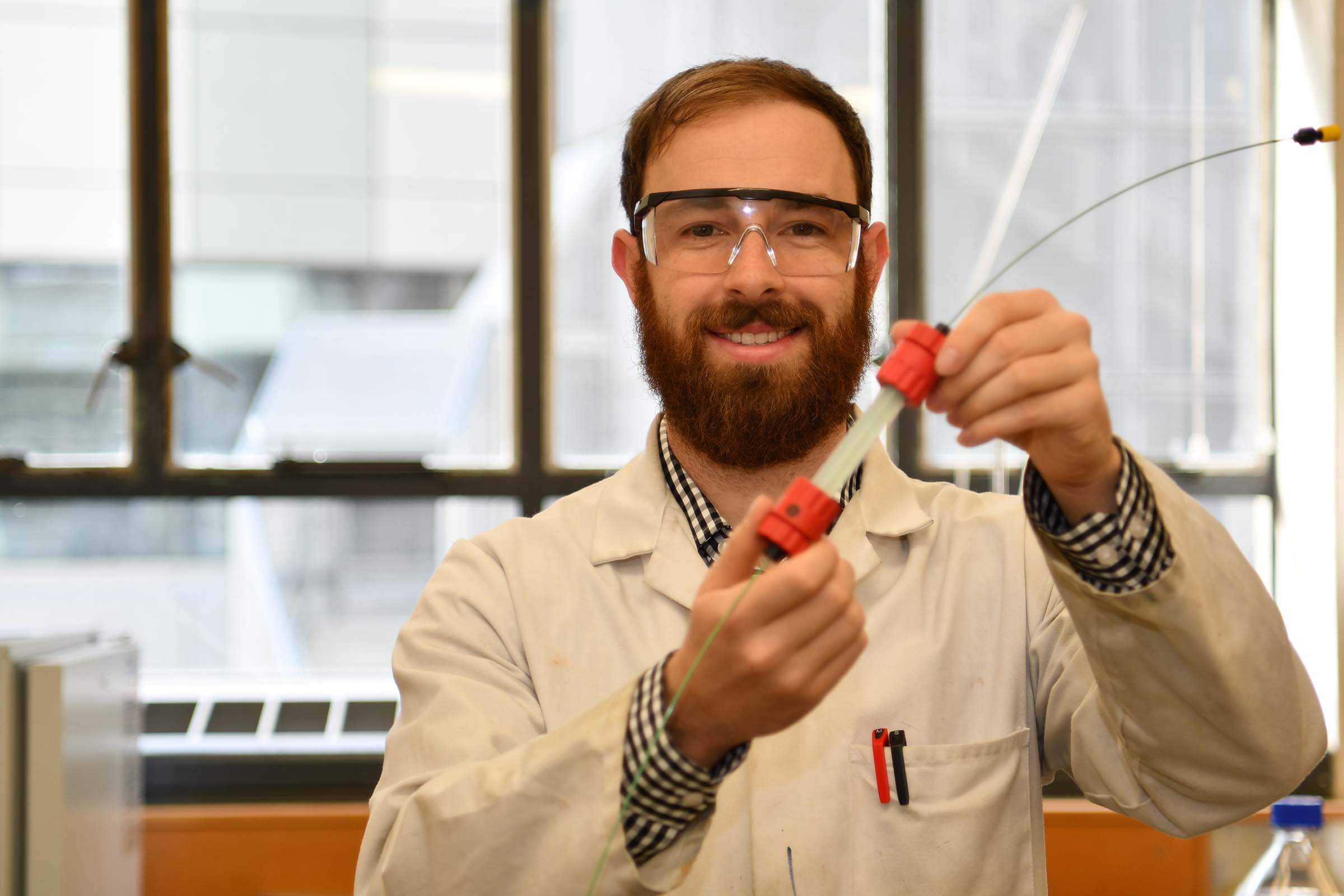
Founder and chief executive Sean Feast has been working on that question since his University of Canterbury research days. Precision Chroma traces its technology to UC work associated with Professor Conan Fee, with Feast helping develop it through postgraduate and postdoctoral research before leading the company out into commercial life.
The new raise is important because it brings global validation into a Canterbury business without moving the centre of gravity offshore. The round is led by M Ventures, the corporate venture arm connected to German pharmaceutical and life-science group Merck, with continuing support from New Zealand investors including Bridgewest Ventures, Icehouse Ventures and the Aspire NZ Seed Fund.
For Christchurch readers, the local signal is the proposed manufacturing base. The company says the capital will support manufacturing expansion in Christchurch and grow the team from a small group into a larger operating company. Those are the jobs the city wants more of: technical, export-facing roles built around intellectual property developed here rather than simply serviced from here.
Precision Chroma's pitch is not that it will replace the whole biomanufacturing system overnight. Its advantage is more specific. By redesigning the structure inside chromatography columns while keeping familiar chemistry and operating principles, the company is trying to give bioprocessing teams a faster pathway to adoption.
That distinction matters in biotech. A clever idea in a lab is only the start. Customers need validation, repeatable manufacturing, quality controls and equipment that fits into existing workflows. The seed round does not answer all those questions, but it gives the company more room to test them in front of the market.
Christchurch has spent years talking about deep tech, health innovation and university commercialisation. Precision Chroma gives that conversation a tangible example: a founder-led company, rooted in UC science, trying to turn specialist research into products for global medicine makers while keeping the manufacturing story in Canterbury.