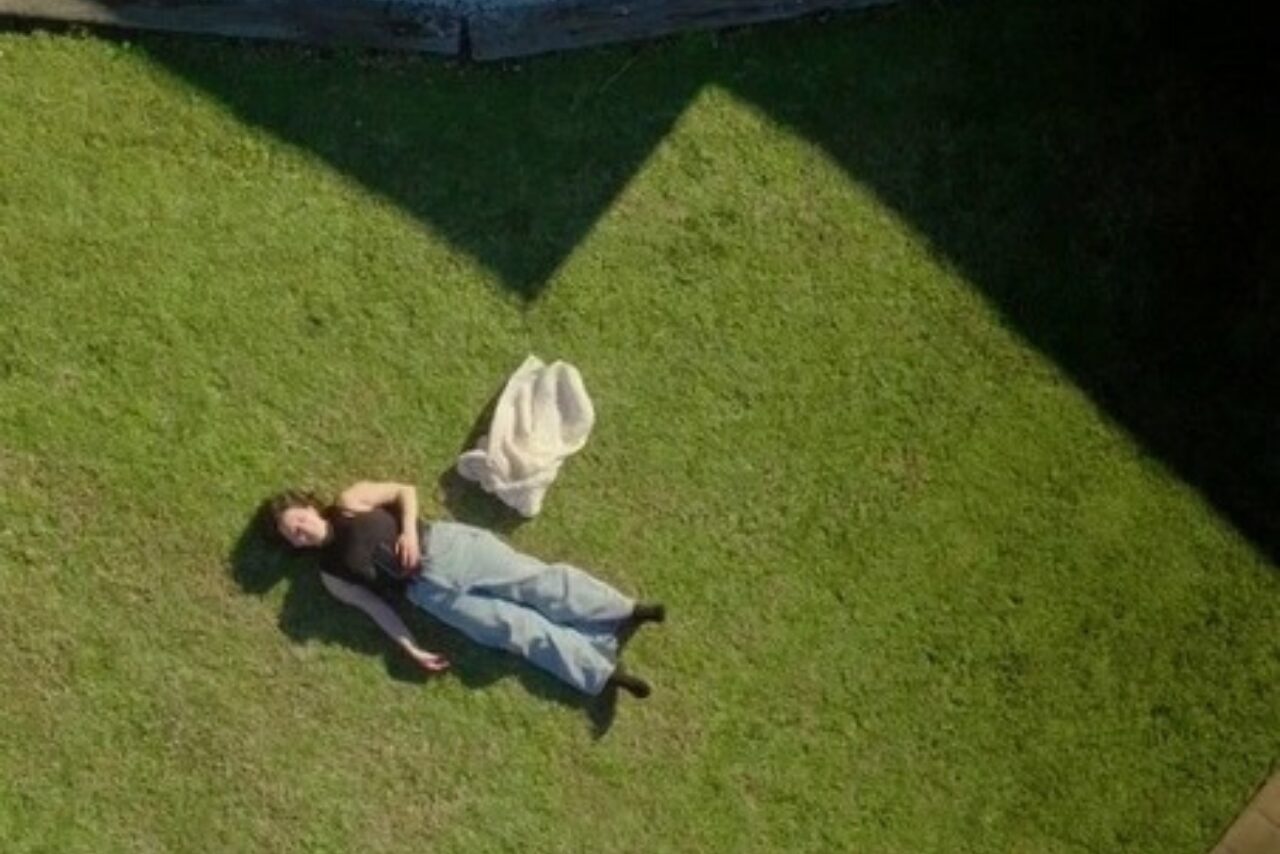
Open Closed Doors is bringing the documentary Exposure to Christchurch as part of a founder-led push to make intensive obsessive compulsive disorder treatment more accessible in New Zealand.
The 50-minute documentary follows some of the first young New Zealanders to undergo the Bergen Four-Day Treatment, an intensive approach to OCD care built around supported exposure and response prevention. Chris Lynch Media reported that the film will premiere in Auckland on 21 August before screenings in Wellington and Christchurch. The Christchurch fundraiser is scheduled for The Piano at 6pm on Sunday 23 August.
This is the required founder-focused story for today's Christchurch Bulletin pack because the event is not simply another screening. It is tied to Open Closed Doors, a charity founded by clinicians and health advocates who are trying to change access to OCD-specific care. Earlier Open Closed Doors material names co-founders Sue Brewster and Megan Jones, while current people pages identify Emma Chapman as a senior psychologist, board member and clinical team leader.
The local relevance is clear. Open Closed Doors says the treatment has received support from the Rata Foundation and the Wayne Francis Charitable Trust for delivery in Christchurch. Local reporting also said the Christchurch programme received a $180,000 boost earlier this year to provide treatment to 26 young people. That turns the documentary into more than an awareness event; it is part of a practical fundraising and service-development pathway.
OCD is often misunderstood as a preference for tidiness or order. The treatment story matters because severe OCD can be disabling, time-consuming and deeply distressing for both the person affected and their family. The Bergen model is described as intensive, short and highly structured. Instead of spreading treatment across months of weekly appointments, it compresses supported exposure work into a small-group format with individual therapist support.
That design is why access is such a central issue. Specialist treatment is not evenly available, and many families struggle to find timely care that is specific to OCD rather than general anxiety support. Open Closed Doors' stated goal is to make effective treatment more accessible and affordable, with clinical lead Emma Chapman saying the charity wants treatment to become available through the public health system.
The screening format also matters. Humanitix event information says the Christchurch fundraiser will include a question-and-answer session with the documentary director and Open Closed Doors co-founder, psychologists from the clinical team and clients featured in the film. That gives audiences a chance to hear from both clinicians and people with lived experience, which can reduce stigma more effectively than a standard awareness campaign.
For Christchurch, the story sits at the intersection of health, philanthropy, film and community leadership. The city has a strong network of charitable trusts and health advocates, but mental health services remain under pressure. A small charity raising money for specialist treatment is not a substitute for a fully resourced public system, yet it can prove a model, train clinicians and make the case for broader adoption.
The careful takeaway is hopeful but not overstated. Exposure will not solve OCD access on its own, and the Bergen treatment is one clinical pathway rather than a universal answer. But a founder-led charity, a Christchurch-funded treatment round and a public documentary fundraiser give local families a concrete point of connection. For people who have felt that OCD treatment is hard to find or hard to afford, that is news worth carrying.