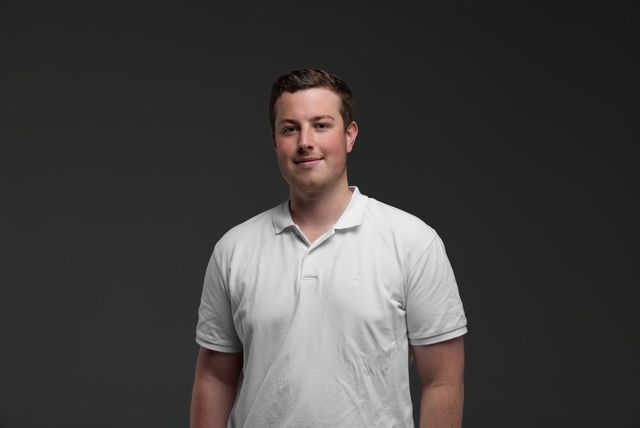
Christchurch founder Blake Harkness has turned one of the biggest anxieties facing new graduates into the basis of a fast-growing local business.
Harkness AI, the bootstrapped AI implementation company founded by the mechatronics graduate, says it has passed 50 paying New Zealand business clients less than two years after Harkness left university. The company says it has generated six figures in revenue in the first five months of the current financial year, with monthly revenue growing more than fourfold since the beginning of the year.
That makes the story more than another press release about artificial intelligence. For Christchurch, it is a useful founder signal because Harkness is not selling AI as an abstract future. He is selling implementation: automations, customer-service tools, proposal systems, training and workflow changes that businesses can measure against time saved or revenue gained.
The timing is sharp. Graduates are entering a market where employers are testing whether AI can do entry-level research, drafting, analysis and administration faster than a junior hire. Harkness's answer is not to deny that pressure. It is to argue that the opportunity shifts toward people who can turn the tools into working systems, understand a customer's problem and teach teams how to use the result.
The company says its client list includes global wellness brand Shakti Mat and Christchurch-based Karuna Labs. It also says Harkness has published more than 150 free videos and helped build Young People in AI, a community of more than 350 members connecting younger New Zealanders interested in the field.
That community-building part matters locally. Christchurch has spent years trying to turn university talent, aerospace momentum and startup support into companies that stay connected to the city. A graduate founder building paid clients from here gives that ambition a concrete face, especially in a sector where work could easily drift to Auckland, Australia or fully remote offshore teams.
There are still obvious tests ahead. AI service firms can grow quickly when demand is hot, but they also have to keep proving that each system works after the novelty wears off. Clients will judge the business by whether a workflow still saves time six months later, whether staff use it confidently and whether the advice keeps up as the underlying models change.
For now, the local lesson is practical. The graduate labour market is being disrupted, but not only by replacement. It is also being reshaped by founders who can stand between fast-moving tools and ordinary businesses that want outcomes rather than hype. Harkness's first 50 clients show that Christchurch has people building in that space, not just watching it arrive.