Little Andromeda's latest opening puts Christchurch audiences close to a difficult question: what does theatre do with the public appetite for true-crime stories?
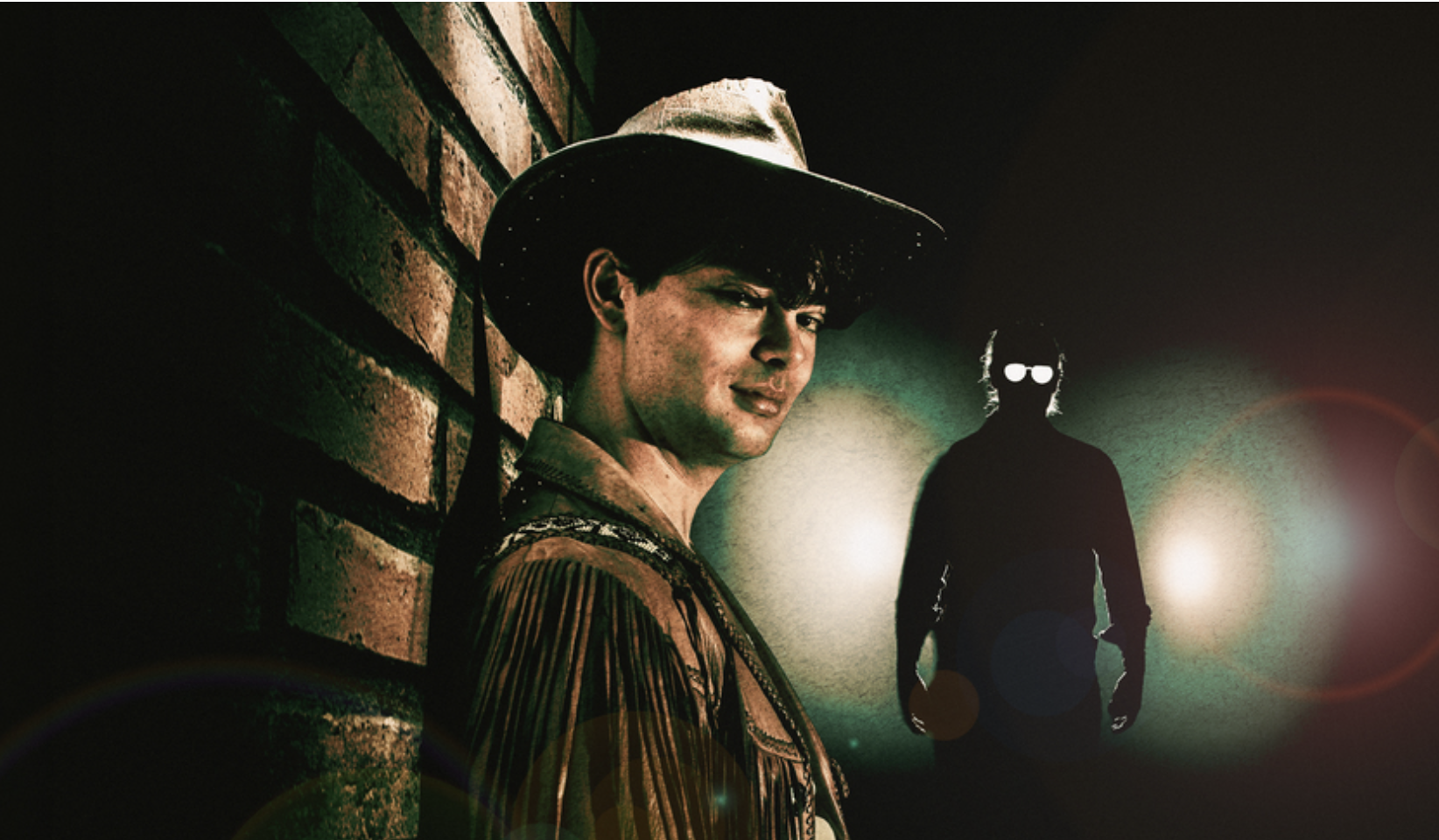
Alcohol and Muscle, a psychological thriller opening at the central-city theatre, imagines a fictional encounter in 1970s Houston between Jeffrey Dahmer and a young cowboy named Tex. The production is directed by New Zealand actor Roy Snow and written by American playwright Bradley Nye.
The premise is intentionally uncomfortable. It puts two characters in a confined setting where the audience knows more about danger than one of the people on stage. That makes the production less about retelling known crimes and more about watching power, vulnerability and unease build in real time.
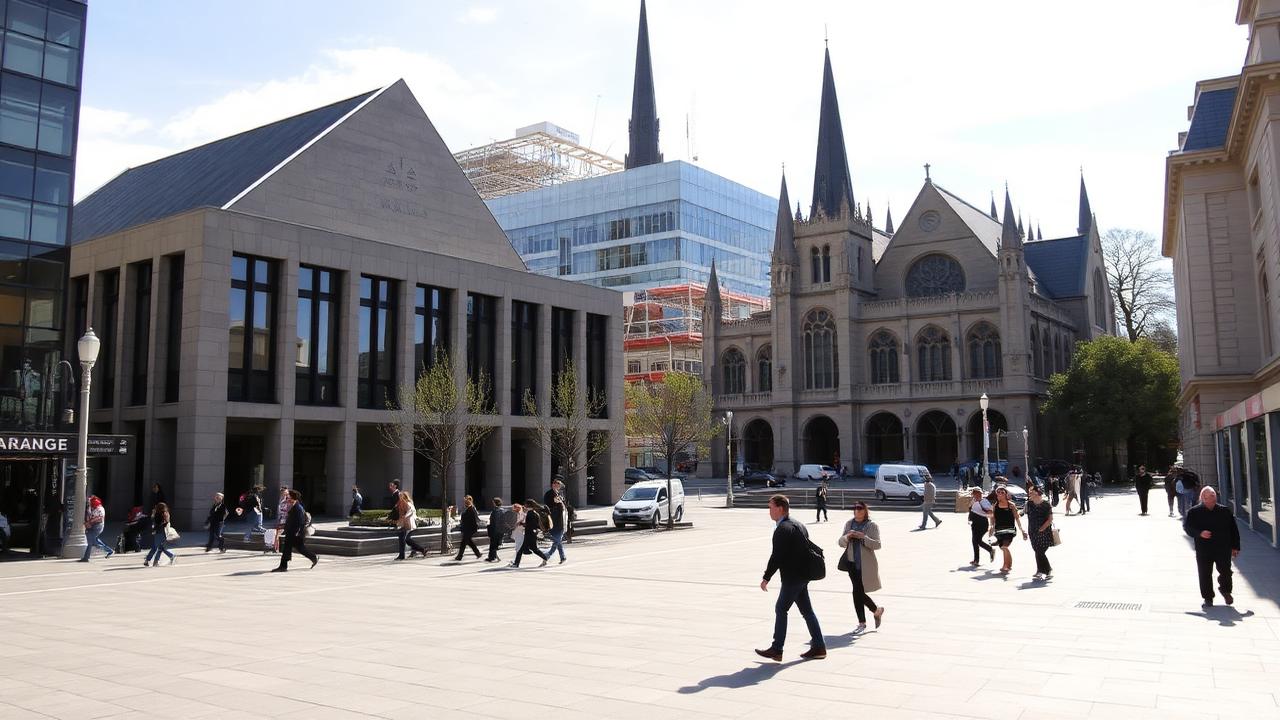
Snow's creator role is the local thread. His decision to stage the work in Christchurch points to the kind of risk smaller venues can take: intimate rooms, actor-driven tension and stories that rely on audience attention rather than spectacle. Little Andromeda has become one of the city's places for that kind of work, where fringe, comedy, theatre and experimental performance sit close together.
The production also arrives at a moment when true crime is everywhere in streaming schedules, podcasts and online discussion. A live stage version changes the contract. Audiences cannot pause, scroll or watch at a distance. They sit in the room with performers and have to decide what the story is asking of them.
That is why the Christchurch angle is stronger than the notoriety of the title. The useful question is not whether people recognise a famous criminal name. It is whether local artists can turn that recognition into a controlled, challenging performance rather than another piece of disposable shock.
For Little Andromeda, the opening adds another late-year event to a compact arts calendar. For audiences, it is a reminder that Christchurch theatre often works best when it trusts a small room, a sharp premise and performers willing to hold the silence.